Topics

Explore critical topics shaping today’s SAP landscape—from digital transformation and cloud migration to cybersecurity and business intelligence. Each topic is curated to provide in-depth insights, best practices, and the latest trends that help SAP professionals lead with confidence.

Regions

Discover how SAP strategies and implementations vary across global markets. Our regional content brings localized insights, regulations, and case studies to help you navigate the unique demands of your geography.

Industries

Get industry-specific insights into how SAP is transforming sectors like manufacturing, retail, energy, and healthcare. From supply chain optimization to real-time analytics, discover what’s working in your vertical.

Hot Topics

Dive into the most talked-about themes shaping the SAP ecosystem right now. From cross-industry innovations to region-spanning initiatives, explore curated collections that spotlight what’s trending and driving transformation across the SAP community.

Topics

Explore critical topics shaping today’s SAP landscape—from digital transformation and cloud migration to cybersecurity and business intelligence. Each topic is curated to provide in-depth insights, best practices, and the latest trends that help SAP professionals lead with confidence.

Regions

Discover how SAP strategies and implementations vary across global markets. Our regional content brings localized insights, regulations, and case studies to help you navigate the unique demands of your geography.

Hot Topics

Dive into the most talked-about themes shaping the SAP ecosystem right now. From cross-industry innovations to region-spanning initiatives, explore curated collections that spotlight what’s trending and driving transformation across the SAP community.

SAP Data Security

SAP Data Security focuses on protecting sensitive business information across SAP applications, cloud services, integrations, and analytics environments. It spans SAP S/4HANA, RISE with SAP, SAP BTP, SAP GRC, identity and access governance, encryption, monitoring, and privacy controls. For CISOs, SAP Basis teams, compliance leaders, and business process owners, the topic connects security operations with business continuity, regulatory readiness, and trust in mission-critical SAP data.

What is SAP Data Security?

SAP Data Security is the set of practices, controls, and technologies used to protect SAP data from unauthorized access, misuse, corruption, theft, and exposure throughout its lifecycle. It helps organizations govern who can access sensitive SAP data, how that data moves between systems, how activity is monitored, and how compliance obligations are met across SAP ERP, cloud, analytics, and third-party environments.

SAP Data Security focuses on protecting sensitive business information across SAP applications, cloud services, integrations, and analytics environments. It spans SAP S/4HANA, RISE with SAP, SAP BTP, SAP GRC, identity and access governance, encryption, monitoring, and privacy controls. For CISOs, SAP Basis teams, compliance leaders, and business process owners, the topic connects security operations with business continuity, regulatory readiness, and trust in mission-critical SAP data.

What is SAP Data Security?

SAP Data Security is the set of practices, controls, and technologies used to protect SAP data from unauthorized access, misuse, corruption, theft, and exposure throughout its lifecycle. It helps organizations govern who can access sensitive SAP data, how that data moves between systems, how activity is monitored, and how compliance obligations are met across SAP ERP, cloud, analytics, and third-party environments.

How do enterprises use SAP Data Security?

Protecting Sensitive Business Data

Enterprises use SAP Data Security to safeguard financial records, customer data, supplier information, HR data, and operational transactions inside SAP systems. Controls such as encryption, masking, authorization management, and monitoring reduce the risk of exposure while preserving access for authorized users.

Securing Access Across SAP Landscapes

SAP teams use identity governance, role design, segregation of duties, and privileged access controls to manage who can view, change, or export sensitive information. This is especially important across SAP S/4HANA, SAP SuccessFactors, SAP Ariba, SAP BTP, and hybrid landscapes.

Supporting Compliance and Privacy Requirements

Organizations use SAP Data Security to support GDPR, industry regulations, audit readiness, and internal data governance policies. Privacy impact assessments, data classification, retention policies, and access reviews help compliance teams demonstrate control over regulated SAP data.

Monitoring Threats and Data Activity

Security teams monitor SAP logs, user behavior, interfaces, and integrations to detect suspicious activity, credential compromise, data exfiltration, and policy violations. Many enterprises connect SAP security data with SIEM, SOC, ITSM, and cloud-native monitoring platforms.

Securing Cloud and RISE with SAP Transitions

As organizations move to RISE with SAP and cloud-based SAP environments, data security becomes part of shared responsibility, configuration management, and continuous compliance. Teams must secure legacy systems and new cloud assets while maintaining visibility across the transition.

Where does SAP Data Security emerge in SAPinsider research?

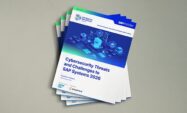
Cybersecurity Threats and Challenges to SAP Systems shows SAP data security moving from a compliance concern to an operational security priority. The report found that 23% of respondents experienced a credential compromise, malware or ransomware attack, or cybersecurity incident affecting SAP in the past year, while protecting sensitive and confidential SAP data is an increasing concern.

State of the Market GRC in SAP Environments highlights the governance side of SAP data security. SAPinsider found that 53% of organizations have formal data classification policies, but only 47% have centralized privacy offices or conduct regular privacy impact assessments.

The Securing RISE with SAP benchmark connects data protection with cloud operating models. Only 45% of organizations follow the shared responsibility model for SAP Cloud ERP Private security, underscoring the need for clearer ownership, continuous monitoring, and stronger controls around sensitive SAP data.

The Cloud and AI Security for SAP report shows how cloud and AI are reshaping SAP security priorities. The report found that 85% of security leaders say GDPR requires the most compliance effort in SAP cloud landscapes, and 50% are concerned about AI-enhanced attack techniques targeting ERP and SAP systems.


Boomi Boosts Security with Third-Party Accreditation From ISOIntelligent connectivity and automation giant Boomi has received third-party accreditation from the International Standards Organization.
3 Ways Data Virtualization Can De-Risk SAP Data Security and Data Integrity by enosixData security and integrity are on the minds of every corporate CIO. Risks from the outside, like cyber attacks, ransomware and phishing are what typically comes to mind. But what about data security and integrity issues from within–specifically those tied to integrations? For SAP enterprise ERP customers, this can be a widespread issue as SAP […]
Increase SAP Resilience and Unlock Innovation with the only SAP Certified Security, Business Monitoring and Observability PlatformExplore how customers have successfully consolidated their SAP landscape, achieving cost reduction and driving revenue growth through streamlined observability, security, compliance, integrations, and business operations monitoring and alerting.
How to Protect Data at RestCompanies often prioritize data they are actively using within their cybersecurity planning and infrastructure. However, it is important that they do not overlook data at rest. Examples of data at rest include archives, online backups, client copies for quality assurance and development environments, and disaster recovery sites. Though it may not be top of mind, stores of data at rest contains significant amounts of important information on vendors, customers, employees, and products. If penetrated, malicious actors can access bank account information, identities, corporate intellectual property, processes, and trade secrets. In this article, you will learn about the three categories of tools and techniques that can protect this data: awareness and policy, data categorization, and automation. It will also show you how a methodical approach to security can envelop data at rest into a holistic security model.
Data Security Analyst Insight
Impact of European Cloud Data Security RestrictionsEuropean Union (EU) cybersecurity authorities are in the process of drafting a new certification system for cloud services that specifies that high-risk data can only be stored in the EU and can only be accessed by employees that are located in an EU country. And, according to a recent Wall Street Journal article on the […]
Security
Security For Your SAP FutureThe number one factor impacting decisions around security for SAP systems is the need to protect access to the sensitive and confidential data in those systems. Attacks are becoming more common, particularly for organizations located in APJ,  and some of the challenges that were identified by respondents to recent SAPinsider research were detecting those threats […]
Jabil UI Masking Image
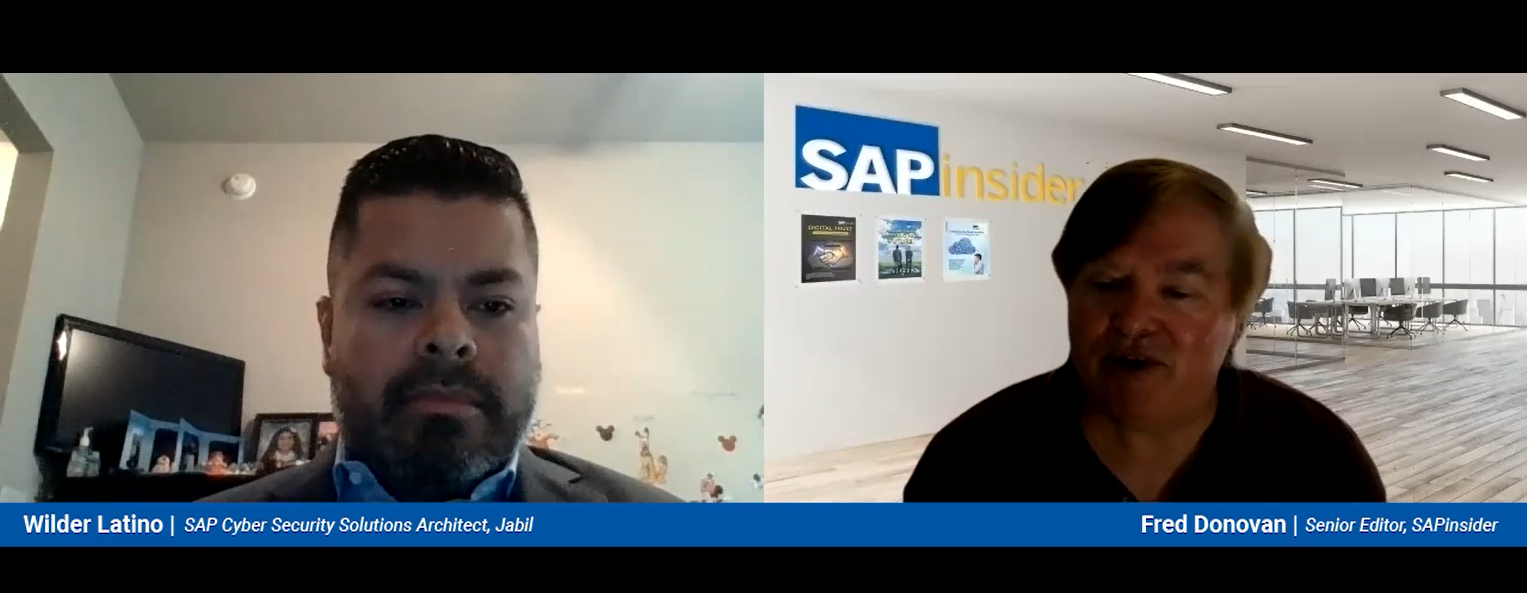
Jabil Turns to UI Masking for Stronger Data ProtectionThe proliferation of data privacy regulations and laws has prompted organizations to beef up their data privacy and protection. One way to protect data without the inconvenience of encryption is data masking or user interface (UI) masking. One company taking full advantage of SAP's UI masking feature is Jabil, a St. Petersburg, Fla.-based global manufacturing services company. It operates 100 plants in 30 countries and has 260,000 employees worldwide. The company recently updated its SAP GRC and security environment, including implementing UI masking to protect sensitive data. To learn more about Jabil's UI data masking and other cybersecurity measures check out this video interview with Wilder Latino, SAP Cybersecurity Solutions Architect, Jabil. 
Wilder Latino image
Jabil Deploys UI MaskingThe proliferation of data privacy regulations and laws, such as the European Union’s General Data Protection Regulation (GDPR) and the California Consumer Privacy Act (CCPA), has prompted organizations to beef up their data privacy and protection. One way to protect data without the inconvenience of encryption is data masking or user interface (UI) masking. One company taking full advantage of UI masking is Jabil, a St. Petersburg, Fla.-based global manufacturing services company. It operates 100 plants in 30 countries and has 260,000 employees worldwide. The company updated its SAP GRC and security environment, including implementing UI masking to protect sensitive data. Read this article and learn more about Jabil's UI data masking and other cybersecurity measures.
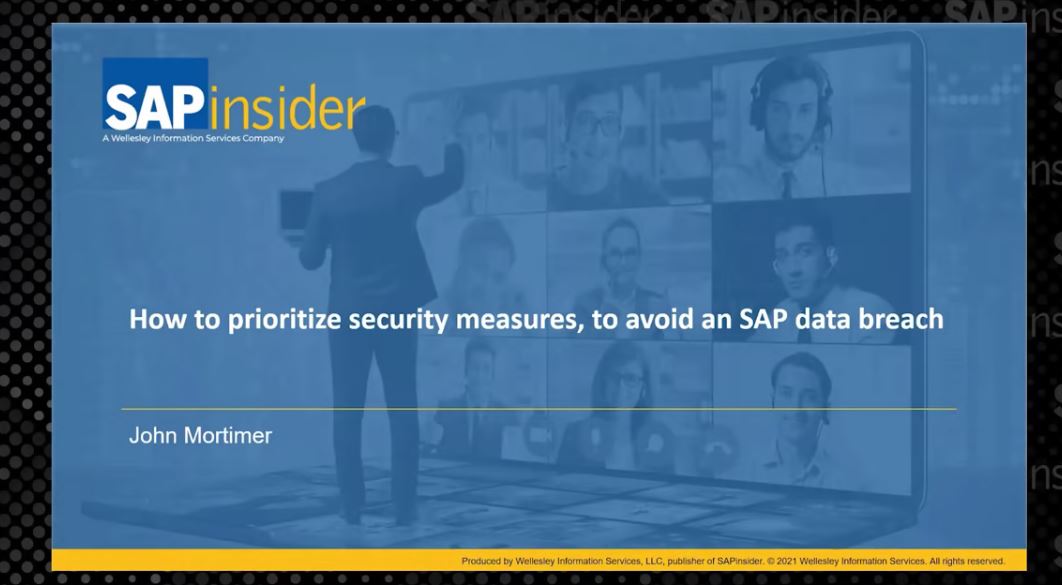
How to prioritize security measures to avoid an SAP data breachWith the increasing number of Cyberattacks in different forms, organizations need to avoid the high cost and significant business impact of a potential SAP data breach. Traditional network security does not provide adequate protection of the data in your SAP systems against insider and outsider attacks. In this session, John Mortimer, Security Consultant at CyberSafe, will discuss examples of data breaches, ways to avoid the attacks, introduce products and tools available to reduce the risk of a data breach, and show a product demonstration which highlights how to avoid a data breach using strong user authentication. Attend this session to learn how to: - Assess the risk of an insider attack for the SAP system landscape in your organization. - Identify the weakest links and prioritize security measures to avoid them. - Implement strong user authentication for users with access to high-risk data in your SAP systems.

Related Vendors