
7 minute read
Meet the Authors
Key Takeaways
What you need to know
SAP is extending Business AI into physical warehouse execution through Project Embodied AI.
BITZER tested humanoid robots integrated directly with SAP S/4HANA and SAP EWM.
The proof of concept shows how AI agents can coordinate robotics within ERP governance.
SAP said refrigeration and climate‑control products maker BITZER has joined Project Embodied AI, its initiative to extend artificial intelligence into physical operations through cognitive robotics. The collaboration was demonstrated through a live proof of concept in which humanoid robots executed warehouse tasks at BITZER, directly connected to SAP systems.
Project Embodied AI connects physical robotics to enterprise systems by placing cognitive AI agents between SAP applications and execution hardware. This approach integrates physical execution with the digital core and embeds robotics into enterprise process control, data governance, and system orchestration.
Embedding Cognitive Robotics Into SAP S/4HANA and SAP EWM
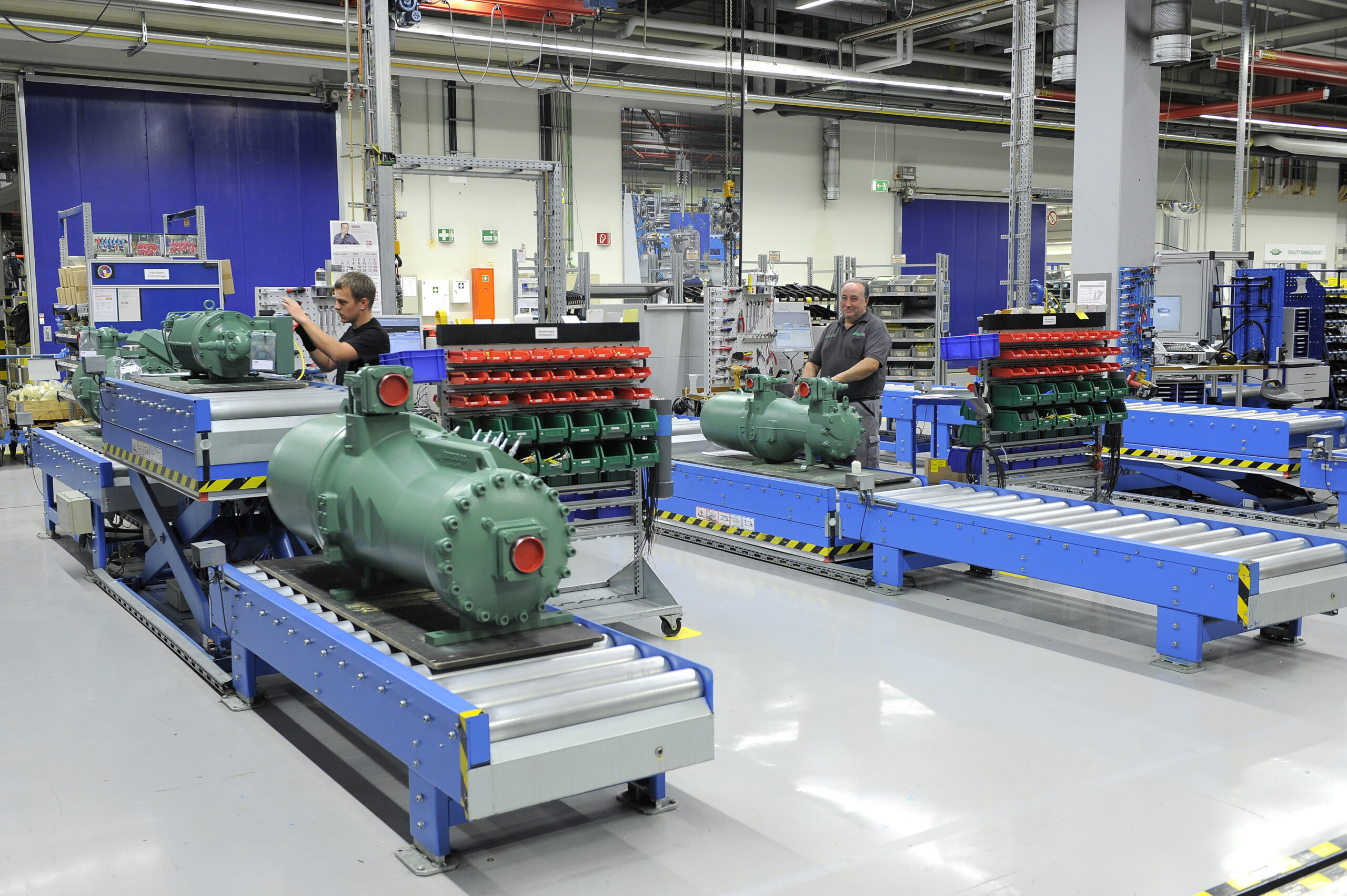
BITZER, which is one of the world’s largest independent manufacturers of compressors, operates in temperature‑controlled supply chains that demand precision, reliability, and flexibility.
Explore related questions
Ask SAPi
The company was already operating SAP S/4HANA Cloud together with SAP Extended Warehouse Management (SAP EWM), providing a standardized foundation for warehouse execution.
In temperature‑controlled warehouses, changing order types and handling needs make rigid automation systems harder to use effectively, which is why the BITZER proof of concept combined SAP’s core ERP and warehouse platforms with an AI orchestration layer that translates business intent into physical actions.
The company used these systems to define warehouse tasks, material flows, and execution priorities. They also used SAP Business Technology Platform (SAP BTP) to provide the integration and runtime layer that makes this operational data available to AI agents in real time.
On top of this ERP and data foundation, SAP used its AI Foundation and Joule Agents to manage how work is carried out.
BITZER said demand variability was a key operational consideration in its warehouse environment, creating a use case for robotics that can adjust execution capacity as needed.
From AI Decisioning to Physical Execution
At the execution layer, AI agents read enterprise data, determine the next task, and trigger execution steps while remaining within standard ERP process controls. As conditions in the warehouse change, the AI agents adjust task sequencing and execution to reflect updated system priorities.
This logic is then passed through the embodied AI layer, which connects SAP systems to the robotics hardware. The layer translates system instructions into physical actions and allows robots to be coordinated directly from SAP without custom middleware.
At BITZER, humanoid robots were first trained in a simulated environment and then carried out autonomous picking tasks in the warehouse, with each step synchronized back to SAP EWM.
By linking robotic execution directly to SAP EWM, the proof of concept demonstrated how physical tasks could remain aligned with enterprise planning and transactional data.
Warehouse actions were reflected in system records, supporting continuous synchronization between digital processes and physical execution without additional integration layers.
What This Means for SAPinsiders
Cognitive robotics can unify digital and physical execution. For SAPinsiders planning or modernizing warehouse automation, embodied AI shows how robots can operate as extensions of ERP processes rather than isolated systems. This approach supports consistent governance, visibility, and control across both digital and physical operations.
Architectural discipline becomes a prerequisite. The BITZER scenario underscores the importance of a clean SAP S/4HANA and SAP EWM architecture supported by SAP BTP. Organizations with fragmented cores or heavy custom integration may struggle to adopt embodied AI without increasing complexity and operational risk.
Enterprise data trust directly affects autonomous execution. Robots acting on live ERP instructions require accurate, timely, and auditable data. SAP teams should evaluate data quality, event handling, and authorization models to ensure autonomous actions remain transparent, traceable, and compliant with enterprise controls.
More Resources
See All Related Content
Agentic SAP Delivery: The Intelligence Layer that Compounds with every TransformationAgentic SAP delivery is an AI-driven transformation approach that integrates intelligence throughout the entire S/4HANA implementation process, enhancing project management and reducing risks while retaining knowledge for future engagements.

Beyond Greenfield and Brownfield: Rethinking SAP ModernizationIn a recent Lemongrass Live discussion, experts emphasized that SAP organizations should prioritize creating immediate business value through AI innovations rather than solely focusing on the Greenfield or Brownfield migration paths to S/4HANA.
3 minute read

AI in SAP and Why Data Design Determines the OutcomeAs AI expectations evolve from simple proofs-of-concept to integrated capabilities within SAP environments, successful outcomes depend more on data quality, process clarity, and strategic alignment with business goals than on the sophistication of AI models.
4 minute read

Rethinking SAP Modernization: The Shift from AI Later to AI NowThe article discusses the urgent shift in SAP transformation strategies from a sequential modernize-migrate-innovate approach to an 'AI First, AI Now' paradigm that prioritizes immediate AI-driven value creation amidst complex legacy systems.
3 minute read