Topics

Explore critical topics shaping today’s SAP landscape—from digital transformation and cloud migration to cybersecurity and business intelligence. Each topic is curated to provide in-depth insights, best practices, and the latest trends that help SAP professionals lead with confidence.

Regions

Discover how SAP strategies and implementations vary across global markets. Our regional content brings localized insights, regulations, and case studies to help you navigate the unique demands of your geography.

Industries

Get industry-specific insights into how SAP is transforming sectors like manufacturing, retail, energy, and healthcare. From supply chain optimization to real-time analytics, discover what’s working in your vertical.

Hot Topics

Dive into the most talked-about themes shaping the SAP ecosystem right now. From cross-industry innovations to region-spanning initiatives, explore curated collections that spotlight what’s trending and driving transformation across the SAP community.

Topics

Explore critical topics shaping today’s SAP landscape—from digital transformation and cloud migration to cybersecurity and business intelligence. Each topic is curated to provide in-depth insights, best practices, and the latest trends that help SAP professionals lead with confidence.

Regions

Discover how SAP strategies and implementations vary across global markets. Our regional content brings localized insights, regulations, and case studies to help you navigate the unique demands of your geography.

Hot Topics

Dive into the most talked-about themes shaping the SAP ecosystem right now. From cross-industry innovations to region-spanning initiatives, explore curated collections that spotlight what’s trending and driving transformation across the SAP community.

Blogs

Stay up-to-date on the latest SAP news, SAPinsider events, and timely conversations around how customers are using SAP technology to get ahead. Learn what these updates mean for the SAPinsider Community and how they can be applied in the business world.

Stop Asking Whether You Need an AI AgentMany SAP customers are rushing to build AI agents before asking whether an agent is the right answer at all. Drawing on lessons from RPA, this piece argues that the real decision isn’t build versus buy but ownership, and offers three questions to help organisations route every business problem to the lowest-ownership option that reliably solves it.
Autonomous Enterprise
SAP Announces Record Third QuarterIn its Q3 2026 earnings call, SAP reported over €10 billion in revenue for the first time, driven by a 13% year-over-year increase and significant contributions from AI initiatives, despite concerns about potential impacts from political and macroeconomic uncertainties on future performance.
CLM Modernization JourneyMost enterprises own a CLM that can't run AI. This POV paper maps the four stages of CLM modernization — from legacy to an AI-native contracting operation.
Contract-Aware Enterprise: From Contracts to Business ContextDiscover what it takes to build a contract-aware enterprise. Transform your contract data into business context for legal, sales, finance, and AI
How SAP Teams Can Decide Which AI Agent Actions Still Need ApprovalSAP says its Joule Assistants work within a customer's existing authorizations and audit trails. How much review an agent's action needs depends on the cost of a wrong result, and SAP describes granting more autonomy as a track record builds.
Who Should Own Enterprise AI Adoption? Leading Organizations Often Have a Clear OwnerSAPinsider research suggests organizations further along with AI are more likely to have named an owner for AI decisions. Business leaders answer for outcomes, technology teams keep the foundation reliable, and ownership continues after go-live.
Companies That Build Their Own AI Own Its BillsBuilding a custom AI application avoids a license fee but replaces it with recurring costs for model usage, infrastructure, monitoring, and maintenance that move with the workload. Whether building is cheaper than buying depends on utilization, so companies need to model the lifetime cost of running the workload.
SAP S/4HANA Migration Timelines: The Average, the Range, and the Factors Behind BothBenchmark research from SAPinsider, ASUG, and Panorama Consulting puts the typical SAP S/4HANA migration at 15 to 20 months, with scope deciding where a project falls. An average project starting now finishes after mainstream maintenance ends in 2027.
Yooz Reveals Fourth Annual Global State of Automation in Finance ReportEvolving state of automation in finance departments: insights from the latest research by AP automation provider Yooz
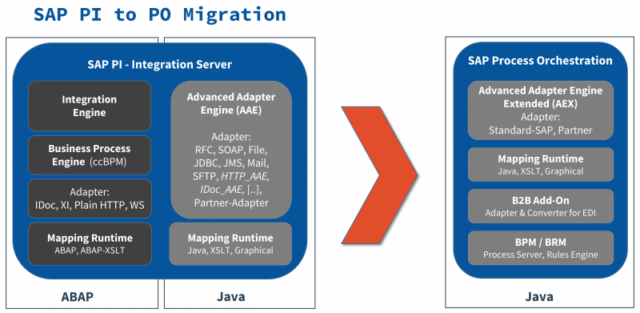
SAP PI to PO Migration Checklist – integrationA technical guide and checklist for organizations planning their migration from SAP PI to SAP Process Orchestration.

Related Vendors