Aug 2, 2022
•2 minute read
SAP GRC focuses on the governance, risk, and compliance practices, technologies, and processes used to keep SAP environments secure, auditable, and aligned with regulatory requirements. For SAP customers, this includes SAP GRC products as well as related capabilities for access control, process control, risk management, threat detection, identity governance, financial compliance, and privacy governance across SAP ERP, SAP S/4HANA, cloud, and hybrid landscapes. The topic is relevant to IT, security, audit, finance, compliance, and business process owners who need stronger controls, better visibility, and more confidence in how SAP systems are governed
SAP GRC is the set of tools and business processes organizations use to manage governance, risk, and compliance across SAP systems. In practical terms, it helps enterprises control user access, monitor segregation of duties, automate compliance workflows, detect risk, support audits, and align business processes with internal and external requirements. SAP GRC can refer to SAP-native solutions such as SAP Access Control and SAP Process Control, as well as broader GRC activities connected to SAP environments. The goal is to reduce risk while making compliance repeatable, visible, and scalable.
SAP GRC focuses on the governance, risk, and compliance practices, technologies, and processes used to keep SAP environments secure, auditable, and aligned with regulatory requirements. For SAP customers, this includes SAP GRC products as well as related capabilities for access control, process control, risk management, threat detection, identity governance, financial compliance, and privacy governance across SAP ERP, SAP S/4HANA, cloud, and hybrid landscapes. The topic is relevant to IT, security, audit, finance, compliance, and business process owners who need stronger controls, better visibility, and more confidence in how SAP systems are governed
SAP GRC is the set of tools and business processes organizations use to manage governance, risk, and compliance across SAP systems. In practical terms, it helps enterprises control user access, monitor segregation of duties, automate compliance workflows, detect risk, support audits, and align business processes with internal and external requirements. SAP GRC can refer to SAP-native solutions such as SAP Access Control and SAP Process Control, as well as broader GRC activities connected to SAP environments. The goal is to reduce risk while making compliance repeatable, visible, and scalable.
Enterprises use SAP GRC to manage who can access sensitive transactions, data, and processes in SAP systems. Access control and SoD monitoring help prevent conflicts, reduce fraud risk, and support cleaner audit outcomes.
SAP GRC supports ongoing monitoring of business and IT controls rather than relying only on periodic manual reviews. This helps compliance teams identify exceptions earlier and standardize control testing across SAP processes.
Organizations use SAP GRC to document controls, track remediation, and provide auditors with clearer evidence. In SAP environments, this is especially valuable for financial controls, user access reviews, and regulated business processes.
SAP GRC becomes especially important during SAP S/4HANA migrations, cloud adoption, and business process redesign. Teams can reassess roles, controls, approval workflows, and compliance requirements as part of transformation planning.
As SAP landscapes expand across cloud, on-premise, and third-party systems, enterprises use GRC and identity governance tools to maintain consistent policies. This supports access reviews, role design, and risk visibility across mixed environments.
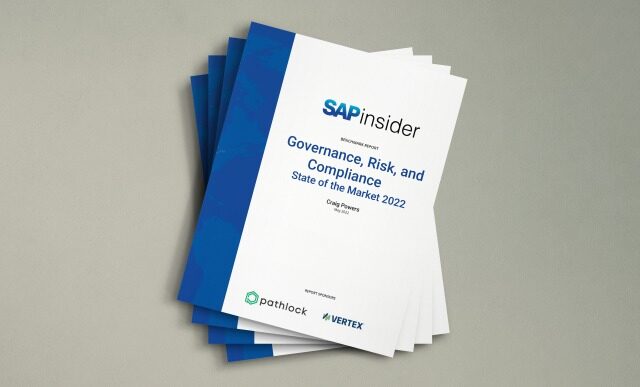
State of the Market GRC in SAP Environments shows that SAP customers are modernizing GRC as regulatory complexity, audit fatigue, and fragmented access governance increase. The research found that 60% of organizations are automating GRC processes and 53% are centralizing control workflows.
The Automating and Integrating GRC Processes report highlights the push to make compliance and audit work more efficient. The report found that 65% of respondents focus on end-to-end automated processes to meet compliance and audit requirements.
Cybersecurity Threats and Challenges to SAP Systems connects SAP GRC priorities to security risk. The report found that 23% of respondents experienced credential compromise, social engineering, malware or ransomware, or another cyberattack impacting their SAP environment in the past year.










Your request has been successfully sent