Unlocking SAP Data for Real-Time AI and Generative AI
Meet the Authors

Key Takeaways
-
The effectiveness of AI systems hinges on the quality, accuracy, and accessibility of their underlying data, especially within SAP systems, which are often siloed.
-
Organizations should transition from outdated practices by implementing real-time data streams from SAP, enabling precise, data-driven decision-making and automating labor-intensive processes.
-
A fundamental shift towards continuous event streaming is required for SAPinsiders, emphasizing the importance of data governance and the role of data teams as strategic partners in leveraging live data for AI applications.
Artificial Intelligence (AI) offers significant opportunities for enterprises, including automated workflows, predictive insights, and generative models. However, the effectiveness of any AI system is fundamentally dependent on the quality, accuracy, and accessibility of its underlying data. For many organizations, essential business data is located within SAP systems. However, this information is often siloed, preventing real-time decision-making and ultimately slowing the adoption of AI technologies.
This very challenge was the centerpiece of a critical discussion held at Google’s offices in São Paulo, Brazil, on August 28. Leaders and innovators gathered to hear from Onibex CEO Gustavo Estrada and Techrom Tecnologia’s Fernando Adriano Machado on how to stop treating SAP like an archive and start treating it like a live nerve center.
The core of their message was a radical transformation in perspective, moving from outdated practices to AI-powered realities.
Explore related questions
From Delayed Data to Live Inventory Visibility
Imagine a supply chain that views inventory not as a static number in a spreadsheet, but as a dynamic entity that moves seamlessly from warehouse to truck to customer in real-time. Decisions about logistics, stocking, and fulfillment are no longer educated guesses based on old data; they are precise actions based on the immediate truth. This is the difference between reacting to the market and leading it.
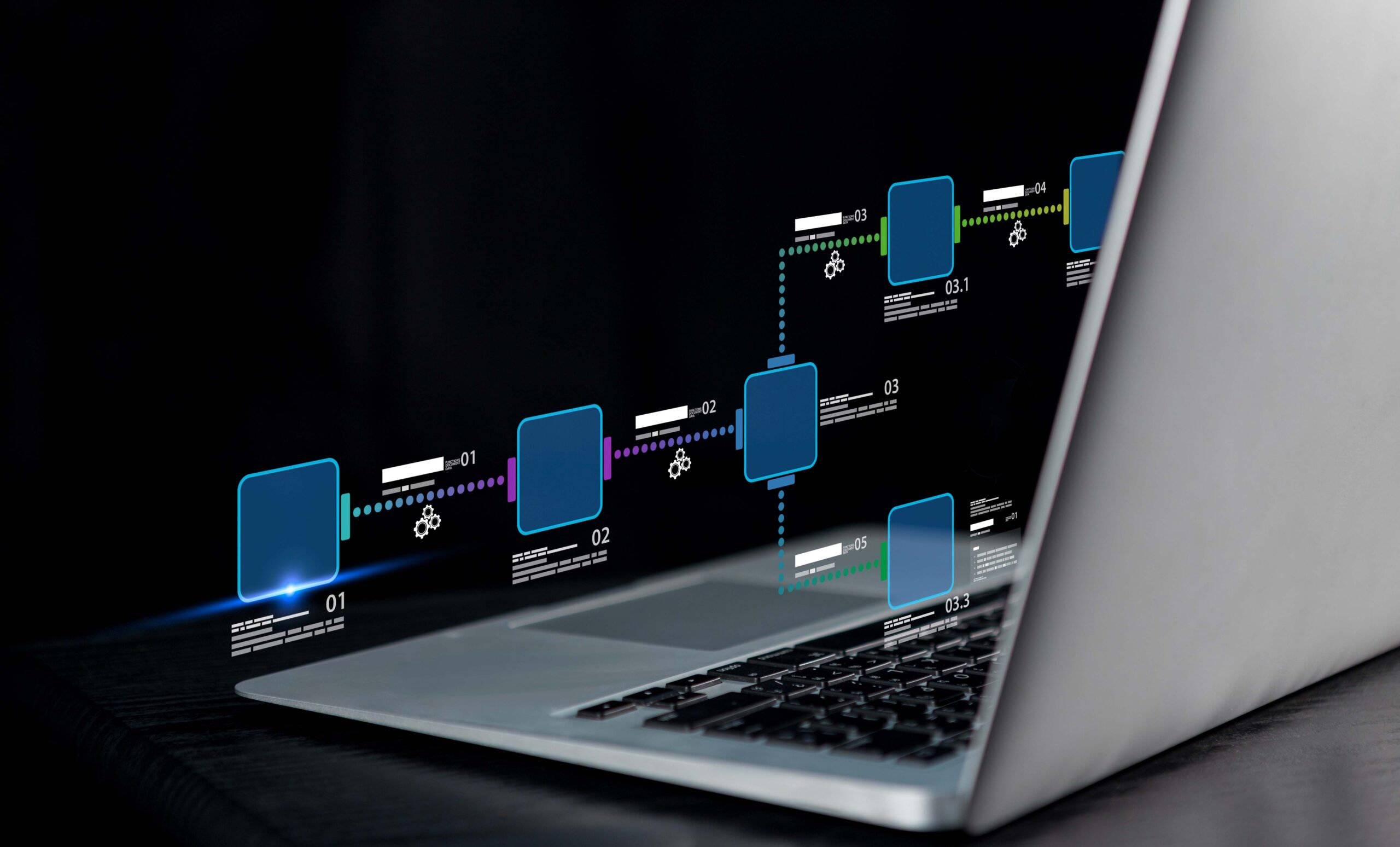
SAP partners, such as Onibex, enable this transition by implementing solutions that create a real-time data pipeline from SAP. Using technologies like Change Data Capture (CDC), its platform bypasses slow, scheduled extractions and directly monitors changes in the SAP database, streaming business events —such as goods movement or stock transfer —when they occur. This raw transaction is instantly transformed into an intelligible, live feed that powers real-time inventory dashboards and dynamic supply chain applications.
From Manual Reconciliation to Automated Flows
Think of the thousands of hours an organization’s finance teams spend tediously matching invoices and reconciling accounts. It’s a manual, error-prone process that drains resources. The dialogue in São Paulo showcased how a live data stream from SAP not only speeds up the process but also makes it obsolete. When data flows continuously and cleanly, AI can automate these processes, freeing the company’s best minds to focus on strategy and analysis instead of data entry.
To facilitate this, Onibex provides the foundational data architecture that captures financial transactions from SAP as they happen. By delivering a continuous and reliable stream of business events, it supplies the clean, real-time data that AI and automation platforms require. This enables financial reconciliation to transition from a periodic, manual task to a continuous, automated process managed by intelligent agents that operate on a constant stream of live data.
Ultimately, the conversation during the event centered on architecture and transitioning from a world where organizations occasionally extract data from a siloed SAP system to one where SAP serves as an AI-ready, streaming source. This is the foundational shift required to truly power GenAI, intelligent automation, and the decision intelligence that will define the next generation of business.
What This Means for SAPinsiders
There is a fundamental shift from data extraction to data streaming. Instead of thinking in terms of nightly data warehouse loads, SAPinsiders must think in terms of continuous event streams. Every sales order created, inventory level changed, or customer payment posted is a real-time business event that an AI model is waiting to consume. This means SAPinsiders must become familiar with concepts like Change Data Capture (CDC) and technologies like Kafka, SAP Event Mesh, or other integration platforms that can tap into the SAP database log or application events and stream them out instantly.
Frame the conversations around the business problem that live data solves. This reframing elevates the data team’s role from a technical executor to a strategic partner. Functional consultants who can identify which SAP processes hold the key to solving a specific business problem will become indispensable, and data teams are the bridge between the goldmine of data in SAP and the AI tools that can turn it into actual gold.
Master data governance is mission-critical. Data quality and governance within SAP are now paramount. For SAPinsiders, their role must expand to be a fierce advocate for data hygiene at the point of entry. This involves enforcing stricter validation rules, promoting the use of SAP Master Data Governance (MDG) or similar tools, and educating users on the downstream consequences of lazy data entry. The quality of a company’s AI is a direct reflection of the quality of its SAP master data.