
1 minute read

Meet the Authors
Key Takeaways
What you need to know
SAP’s latest SAP GRC for SAP HANA update introduces Fiori-based workflows and real-time processing across access, risk, and control functions.
The update signals a broader transition as SAP positions GRC for SAP HANA as the successor to GRC 12.0, with mainstream maintenance ending in 2027.
SAP is positioning GRC closer to application and data layers, shifting controls from oversight functions into how transactions and access are executed.
SAP has outlined the latest updates to SAP GRC for SAP HANA. The changes focus on how governance, risk, and compliance processes run in HANA-based environments, with simplified user interfaces and real-time analysis central to the update.
The updates reflect an evolution of existing capabilities. They introduce SAP Fiori-based workflows, tighter alignment with SAP S/4HANA, and early-stage automation features that change how access, risk, and control activities are performed.
The release is currently available in restricted shipment through SAP’s Early Adoption Care program and is expected to reach general availability in the third quarter of 2026.
Explore related questions
Ask SAPi
Execution Changes in SAP GRC for SAP HANA
The update changes how GRC processes run. SAP’s emphasis falls on user experience, processing speed, and integration, with new capabilities and AI-native features layered in.
- SAP Fiori apps reshape the user experience.
Role-based workflows simplify access requests, control monitoring, and risk analysis, reducing reliance on complex, context-heavy screens. - SAP HANA enables real-time processing.
Risk, access, and control analysis operate on current system data, replacing batch reporting with continuous visibility into system activity. - SAP S/4HANA alignment reduces separation from core processes.
GRC operates more directly with transactional data and workflows, allowing controls and risk checks to run against live business data. - AI-supported features introduce targeted automation.
SAP highlights AI-native capabilities as part of the update, positioning them as assistive tools within existing GRC workflows.
The core modules remain intact. SAP Access Control, SAP Process Control, and SAP Risk Management continue as the foundation, even as their operation changes.
SAP GRC Direction and 2027 Transition Timeline
This update sits within a defined transition. SAP positions SAP GRC for SAP HANA as the successor to SAP Access Control, SAP Process Control, and SAP Risk Management, with mainstream maintenance for GRC 12.0 ending in 2027.
That timeline changes how this release should be read. The update shows the direction customers will need to follow as GRC aligns with SAP S/4HANA and SAP HANA.
SAP is moving toward a more unified, SAP HANA-based GRC environment with a shared architecture and user experience, bringing capabilities such as audit, data protection, and logging closer to core access and risk functions.
The technical reality is more involved. Moving to SAP GRC for SAP HANA requires HANA adoption, updated GRC 12.0 environments, and architectural decisions between hub and embedded deployment models, which ties the GRC transition to broader SAP S/4HANA programs.
At the same time, the scope of GRC is shifting. SAP links governance, risk, and compliance with application-level security and data protection, particularly in SAP Fiori and SAP S/4HANA environments, where controls operate closer to how data is accessed and used.
What This Means for SAPinsiders
- SAP GRC is moving into system execution. Controls and risk checks are increasingly embedded within transactional and application layers, which reduces the gap between oversight and activity and changes how quickly issues can be identified and acted on.
- Upgrade paths now depend on broader ERP timelines. Organizations cannot treat GRC as an isolated upgrade, as dependencies on SAP HANA, S/4HANA, and architecture decisions force coordination across finance, IT, and security transformation programs.
- Automation will change review processes. AI-supported features may accelerate access reviews and risk analysis, but they also increase expectations for coverage, frequency, and auditability, which can expand operational demands on GRC teams.
More Resources
See All Related Content
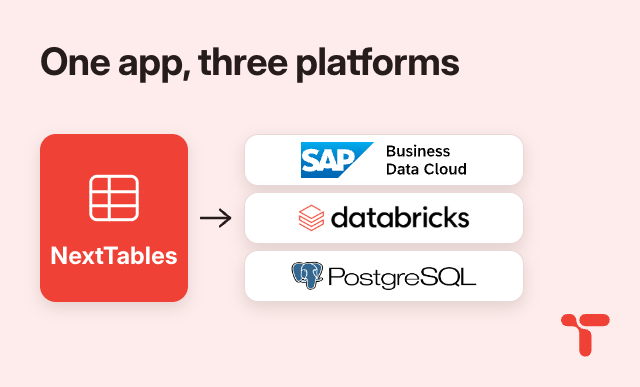
One data maintenance app, three enterprise data platformsBuild data maintenance apps, guided for business teams, trusted by IT. Business teams update their own data, with validation at entry, role-based authorization down to the row, and an audit log of every change stored inside your data platform.
1 minute read

Why Moving to SAP Cloud ERP Is A Security Decision — Not Just An IT UpgradeWith SAP ECC mainstream maintenance ending in 2027, KPMG professionals warn that lift-and-shift migrations leave security for later. SAPinsider research shows why that gap is widening, and what a dedicated security workstream should cover.
4 minute read

Which Software Projects AI Makes Cheaper to BuildCoding agents are lowering the cost of writing software, but review, testing, and requirement definition now carry a larger share of build effort. The largest savings go to SAP projects with clear requirements, testable outputs, and documented interfaces.
2 minute read