Topics

Explore critical topics shaping today’s SAP landscape—from digital transformation and cloud migration to cybersecurity and business intelligence. Each topic is curated to provide in-depth insights, best practices, and the latest trends that help SAP professionals lead with confidence.

Regions

Discover how SAP strategies and implementations vary across global markets. Our regional content brings localized insights, regulations, and case studies to help you navigate the unique demands of your geography.

Industries

Get industry-specific insights into how SAP is transforming sectors like manufacturing, retail, energy, and healthcare. From supply chain optimization to real-time analytics, discover what’s working in your vertical.

Hot Topics

Dive into the most talked-about themes shaping the SAP ecosystem right now. From cross-industry innovations to region-spanning initiatives, explore curated collections that spotlight what’s trending and driving transformation across the SAP community.

Topics

Explore critical topics shaping today’s SAP landscape—from digital transformation and cloud migration to cybersecurity and business intelligence. Each topic is curated to provide in-depth insights, best practices, and the latest trends that help SAP professionals lead with confidence.

Regions

Discover how SAP strategies and implementations vary across global markets. Our regional content brings localized insights, regulations, and case studies to help you navigate the unique demands of your geography.

Hot Topics

Dive into the most talked-about themes shaping the SAP ecosystem right now. From cross-industry innovations to region-spanning initiatives, explore curated collections that spotlight what’s trending and driving transformation across the SAP community.

SAP GRC

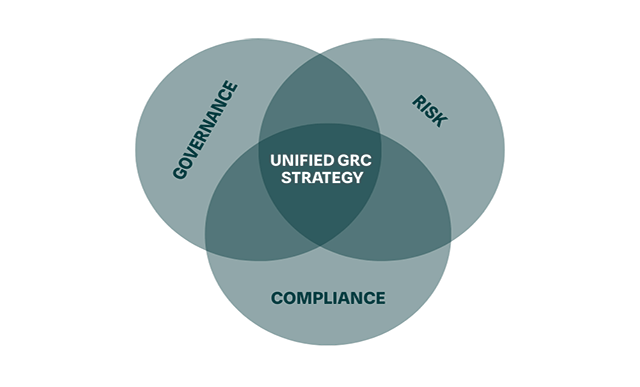
SAP GRC focuses on the governance, risk, and compliance practices, technologies, and processes used to keep SAP environments secure, auditable, and aligned with regulatory requirements. For SAP customers, this includes SAP GRC products as well as related capabilities for access control, process control, risk management, threat detection, identity governance, financial compliance, and privacy governance across SAP ERP, SAP S/4HANA, cloud, and hybrid landscapes. The topic is relevant to IT, security, audit, finance, compliance, and business process owners who need stronger controls, better visibility, and more confidence in how SAP systems are governed

What is SAP GRC?

SAP GRC is the set of tools and business processes organizations use to manage governance, risk, and compliance across SAP systems. In practical terms, it helps enterprises control user access, monitor segregation of duties, automate compliance workflows, detect risk, support audits, and align business processes with internal and external requirements. SAP GRC can refer to SAP-native solutions such as SAP Access Control and SAP Process Control, as well as broader GRC activities connected to SAP environments. The goal is to reduce risk while making compliance repeatable, visible, and scalable.

SAP GRC focuses on the governance, risk, and compliance practices, technologies, and processes used to keep SAP environments secure, auditable, and aligned with regulatory requirements. For SAP customers, this includes SAP GRC products as well as related capabilities for access control, process control, risk management, threat detection, identity governance, financial compliance, and privacy governance across SAP ERP, SAP S/4HANA, cloud, and hybrid landscapes. The topic is relevant to IT, security, audit, finance, compliance, and business process owners who need stronger controls, better visibility, and more confidence in how SAP systems are governed

What is SAP GRC?

SAP GRC is the set of tools and business processes organizations use to manage governance, risk, and compliance across SAP systems. In practical terms, it helps enterprises control user access, monitor segregation of duties, automate compliance workflows, detect risk, support audits, and align business processes with internal and external requirements. SAP GRC can refer to SAP-native solutions such as SAP Access Control and SAP Process Control, as well as broader GRC activities connected to SAP environments. The goal is to reduce risk while making compliance repeatable, visible, and scalable.

How do enterprises use SAP GRC?

Access control and segregation of duties

Enterprises use SAP GRC to manage who can access sensitive transactions, data, and processes in SAP systems. Access control and SoD monitoring help prevent conflicts, reduce fraud risk, and support cleaner audit outcomes.

Continuous controls monitoring

SAP GRC supports ongoing monitoring of business and IT controls rather than relying only on periodic manual reviews. This helps compliance teams identify exceptions earlier and standardize control testing across SAP processes.

Audit readiness and evidence management

Organizations use SAP GRC to document controls, track remediation, and provide auditors with clearer evidence. In SAP environments, this is especially valuable for financial controls, user access reviews, and regulated business processes.

Risk management during transformation

SAP GRC becomes especially important during SAP S/4HANA migrations, cloud adoption, and business process redesign. Teams can reassess roles, controls, approval workflows, and compliance requirements as part of transformation planning.

Identity governance across hybrid landscapes

As SAP landscapes expand across cloud, on-premise, and third-party systems, enterprises use GRC and identity governance tools to maintain consistent policies. This supports access reviews, role design, and risk visibility across mixed environments.

Where does SAP GRC emerge in SAPinsider research?

State of the Market GRC in SAP Environments shows that SAP customers are modernizing GRC as regulatory complexity, audit fatigue, and fragmented access governance increase. The research found that 60% of organizations are automating GRC processes and 53% are centralizing control workflows.

The Automating and Integrating GRC Processes report highlights the push to make compliance and audit work more efficient. The report found that 65% of respondents focus on end-to-end automated processes to meet compliance and audit requirements.

Cybersecurity Threats and Challenges to SAP Systems connects SAP GRC priorities to security risk. The report found that 23% of respondents experienced credential compromise, social engineering, malware or ransomware, or another cyberattack impacting their SAP environment in the past year.


Saviynt logo representing identity governance modernization for SAP S/4HANA environments ahead of SAP IDM end-of-life in 2027.
How Saviynt Supports SAP S/4HANA Identity Modernization Ahead of 2027As SAP Identity Management approaches end-of-life in 2027, SAP S/4HANA modernization programs must reassess identity governance, cross-system segregation-of-duties risk, and third-party access control across distributed cloud environments.
KPMG LLP corporate branding image associated with the Tax AI Accelerator Program and Digital Gateway GenAI platform for corporate tax departments.
KPMG Launches Tax AI Accelerator Program to Advance Generative AI in Corporate TaxThe KPMG Tax AI Accelerator combines structured AI training with Digital Gateway GenAI. This analysis explores its sandbox model, governance design, and architectural positioning.
AI agents operating inside SAP systems increase the need for unified identity governance and visibility across S/4HANA environments.
AI, SAP, and 2027: Why Identity Architecture Is Now a Program-Level DecisionAI agents are already operating inside SAP systems, yet most organizations lack visibility and effective control over their privileges. As S/4HANA migration and SAP Identity Management retirement approach, identity architecture is no longer an operational afterthought. It is becoming a structural decision that shapes automation risk, segregation-of-duties integrity, and audit resilience.
NextLabs logo
Why RISE with SAP Security Requires a Data-Centric Zero Trust ModelRISE with SAP and SAP Business Technology Platform are reshaping how SAP environments operate. This article explains why data-centric Zero Trust security is becoming an architectural requirement.
Onapsis logo over modern enterprise office building representing SAP security and cloud transformation.
Why Security Timing Determines Success in RISE with SAP TransformationsSecurity timing often determines whether RISE with SAP transformations stay on track. This analysis examines how late risk discovery undermines migration, execution, and post–go-live outcomes, and why secure-by-design approaches change delivery discipline.
Manage your SAP Licenses & Authorizations with VOQUZ LabsThe video 'Manage Your SAP Licenses & Authorizations with VOQUZ Labs' emphasizes the critical need for effective management of SAP licenses and authorizations to reduce compliance risks and costs, showcasing strategies like the samQ License Optimizer for enhancing inventory clarity and audit risk mitigation.
ROI iAM: Unique advantagesROI iAM is the best intelligent access management tool for companies with a big SAP landscape, especially former SAP IDM customers. ROIABLE is a provider of SAP expertise in the areas of User access and Workflow automation.
Navigating SAP IdM End-of-Maintenance: Evaluating Migration OptionsThis whitepaper dives deeper into the complexities that could arise from organizations moving away from SAP IdM to Microsoft Entra or other IAM solutions. A technical overview of ROI iAM is also included in the report.
From Legacy to HANA: How SAP GRC 2026 Redefines Compliance and Data GovernanceMigration to SAP GRC 2026 on HANA offers an opportunity to revamp compliance and governance in ERP systems by providing real-time risk analytics, integrated control processes, and automation, resulting in faster reporting and stronger security measures.
SAP GRC 2026: Why Cloud & Hybrid Deployment MatterPrepare your enterprise for the future with SAP GRC 2026 — its hybrid and cloud-ready deployment options empower you to modernize governance, risk, and compliance while preserving core systems. Whether on-premises or in private cloud, you’ll gain flexibility, reduce complexity and stay audit-ready in a shifting landscape.

Related Vendors