Topics

Explore critical topics shaping today’s SAP landscape—from digital transformation and cloud migration to cybersecurity and business intelligence. Each topic is curated to provide in-depth insights, best practices, and the latest trends that help SAP professionals lead with confidence.

Regions

Discover how SAP strategies and implementations vary across global markets. Our regional content brings localized insights, regulations, and case studies to help you navigate the unique demands of your geography.

Industries

Get industry-specific insights into how SAP is transforming sectors like manufacturing, retail, energy, and healthcare. From supply chain optimization to real-time analytics, discover what’s working in your vertical.

Hot Topics

Dive into the most talked-about themes shaping the SAP ecosystem right now. From cross-industry innovations to region-spanning initiatives, explore curated collections that spotlight what’s trending and driving transformation across the SAP community.

Topics

Explore critical topics shaping today’s SAP landscape—from digital transformation and cloud migration to cybersecurity and business intelligence. Each topic is curated to provide in-depth insights, best practices, and the latest trends that help SAP professionals lead with confidence.

Regions

Discover how SAP strategies and implementations vary across global markets. Our regional content brings localized insights, regulations, and case studies to help you navigate the unique demands of your geography.

Hot Topics

Dive into the most talked-about themes shaping the SAP ecosystem right now. From cross-industry innovations to region-spanning initiatives, explore curated collections that spotlight what’s trending and driving transformation across the SAP community.

SAP ECC 6.0

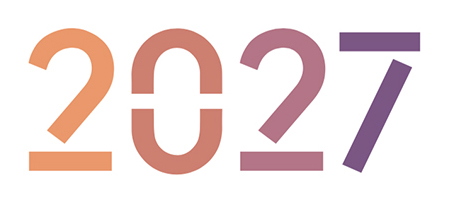
This SAPinsider page is an essential resource for the large share of organizations still running SAP ECC 6.0 as their core ERP platform. With mainstream maintenance scheduled to end in December 2027, and a new transition option potentially extending support to 2033 for select customers, the urgency to plan next steps has never been greater. Content on this page covers SAP ECC 6.0 capabilities, enhancement package history, migration planning guidance, and strategic options for organizations weighing the move to SAP S/4HANA or evaluating extended maintenance paths.

What is SAP ECC 6.0?

SAP ECC 6.0, or SAP ERP Central Component 6.0, is the flagship on-premise ERP system SAP first launched in 2005. It integrates core business functions, including financial accounting, controlling, procurement, supply chain, human resources, and manufacturing into a single unified platform, providing organizations with a centralized view of operations and real-time data for decision-making. Over its lifespan, SAP ECC 6.0 received eight major enhancement packages that progressively added new functionality. SAP ended mainstream development of ECC 6.0 with the arrival of SAP S/4HANA in 2015 and has since encouraged all customers to migrate, citing the December 2027 mainstream maintenance cutoff as a firm planning deadline.

This SAPinsider page is an essential resource for the large share of organizations still running SAP ECC 6.0 as their core ERP platform. With mainstream maintenance scheduled to end in December 2027, and a new transition option potentially extending support to 2033 for select customers, the urgency to plan next steps has never been greater. Content on this page covers SAP ECC 6.0 capabilities, enhancement package history, migration planning guidance, and strategic options for organizations weighing the move to SAP S/4HANA or evaluating extended maintenance paths.

What is SAP ECC 6.0?

SAP ECC 6.0, or SAP ERP Central Component 6.0, is the flagship on-premise ERP system SAP first launched in 2005. It integrates core business functions, including financial accounting, controlling, procurement, supply chain, human resources, and manufacturing into a single unified platform, providing organizations with a centralized view of operations and real-time data for decision-making. Over its lifespan, SAP ECC 6.0 received eight major enhancement packages that progressively added new functionality. SAP ended mainstream development of ECC 6.0 with the arrival of SAP S/4HANA in 2015 and has since encouraged all customers to migrate, citing the December 2027 mainstream maintenance cutoff as a firm planning deadline.

What Are The Use Cases for SAP ECC 6.0?

  • End-of-maintenance transition planning: Organizations on SAP ECC 6.0 use SAPinsider resources to evaluate their migration options before the 2027 deadline, including greenfield, brownfield, and hybrid approaches, as detailed in this step-by-step migration roadmap.

  • Extended maintenance strategy evaluation: Enterprises weighing whether to pursue extended maintenance to 2030 or opt into the new RISE with SAP transition option extending support to 2033, use SAPinsider analyst insights to model cost and risk implications.

  • Analytics and reporting modernization: Organizations preparing to retire SAP ECC also need to rethink legacy business warehouse and analytics architectures.

  • Migration complexity management: Companies managing complex, multi-system SAP ECC landscapes use process orchestration tools to incrementally modernize workflows while maintaining integration with legacy systems during a phased transition to SAP S/4HANA.

SAPinsider Research That Supports This Topic

  • ERP Migration and Transformation 2026: This SAPinsider benchmark report finds that 21% of surveyed organizations have not yet begun migrating from SAP ECC, with the 2027 deadline creating mounting pressure for those still in the early planning stages.

  • Will SAP Offer an Extended Maintenance Alternative?  This SAPinsider analyst insight examines a then-unannounced RISE with SAP option that would extend mainstream maintenance to 2033, helping organizations assess whether delaying migration is a viable financial and strategic choice.

  • SAP Provides Details on ERP Transition Option: This SAPinsider analyst insight covers SAP’s official announcement of its cloud subscription transition option for complex ERP customers, which extends maintenance to 2033 but requires a higher fee and will not be available for purchase until 2028.


Beyond Expectations: How Graybar Delivers Orders with Speed and AccuracyThis Q&A with Rose McDaniel, VP of Field Operations and Administration at Graybar, focuses on the importance of customer experience and how automation can be used to streamline processes and improve efficiency. The speaker also touches on how distributors can use technology to attract and keep talent in the workforce.
Conquer SAP Licensing Challenges for SAP S/4HANA and the Cloud
Conquer SAP Licensing Challenges for SAP S/4HANA and the CloudThe first critical step with managing SAP licenses is to understand what you have, so you can better manage your assets and maximize the return on the investment. Join this virtual panel discussion, where experts from SoftwareONE and Snow Software will discuss how to gain visibility and unlock powerful insights into your SAP engagement. As an […]
Impact20: Closed-Loop Automation: Different by DesignToday’s enterprise landscape is a labyrinth of complex, disparate, and distributed assets, all contributing to the execution of mission-critical business processes. As organizations increasingly depend on these systems for delivery, digital transformation is no longer aspirational, it’s reality. With this new reality comes a heightened need to maximize cost and resource efficiencies, optimizing processes to ensure they remain lean and efficient, deploying resources where they’re needed most, and delivering an optimal end user experience. Engaging automation has the potential to achieve all these objectives, but traditional automation that isn’t built for change or complexity has some distinct barriers to success. In this session, we’ll explore how a closed-loop approach to automation yields faster time to value with reduced risk and rework. When automation assets are no longer siloed between disparate systems and solutions, automation can be created, shared, and repurposed to understand, refine and run your business processes—all from a single platform. Join us to explore how Connective Automation creates a common context for IT and business to collaborate and prioritize and hear how this closed-loop automation approach empowers enterprises to: ● Understand the “as-is” state of any given business process ● Identify efficiency gaps and automation opportunities ● De-risk changes before they impact end users ● Optimize processes across applications
SAP Announces Extension of Mainstream Maintenance for SAP ERP 6.0By Robert Holland, VP Research and Publishing, SAPinsider SAP announced yesterday that it will now provide mainstream maintenance for SAP ERP 6.0 and other core applications of SAP Business Suite 7 until the end of 2027. This will be followed by an optional extended maintenance that will be available until the end of 2030. In […]
How to Enhance Task Information in the SAP Financial Closing Cockpit in ECC 6.0Learn how to enhance SAP Financial Closing Cockpit task information to leverage and strengthen this tool to store additional information. If this information is captured in manual applications, such as Excel, or left to user memory or understanding, your period-end closing could be disrupted by errors. Key Concept The SAP Financial Closing Cockpit is a […]
Simplify Traceability Analysis with the Batch Information Cockpit in ECC 6.0Learn how to use the SAP Batch Information Cockpit (BIC) to perform top-down and bottom-up batch traceability. The BIC offers a number of functionalities to end users that can be used without opening multiple sessions. Key Concept The SAP Batch Information Cockpit (BIC) provides a central tool to analyze all the batch use within a […]
Cross Task List Monitoring in the SAP Closing Cockpit in ECC 6.0Learn how to monitor the status of various tasks from multiple task lists in the SAP Closing Cockpit with SAP ERP Central Component (ECC) 6.0. Key Concept The Closing Cockpit is a standard SAP tool to monitor and control the entire period-end closing cycle. In this tool the templates are first defined and then the […]
How to Comply with the Provisions of IFRS while Recording Capital Asset Transactions in SAP ECC 6.0Learn key adjustments that are required to make capital asset management compliant with International Financial Reporting Standards (IFRS). See the changes you need to make in SAP ERP Central Component (SAP ECC) 6.0 while transitioning from US Generally Accepted Accounting Principles (GAAP). Key Concept An organization needs to make adjustments in accounting for financial transactions […]
Implement ATP and Stock Transfer Flows for Virtual Distribution Plants in SAP ECC 6.0By Amir Ashfaq Hussain, Infosys Technologies, Limited In business scenarios in which virtual plants are created within SAP ERP systems for administrative purposes, managing available-to-promise (ATP) checks and stock transfers presents challenges. SAP provides two options that address plant-to-plant transfer issues in virtual plants. Based on North American or European business scenarios, these lessons learned […]
How to Set Up Master Data and Configuration for VMI Using SAP APO 7.0 and SAP ECC 6.0Learn how to easily set up the master data, configuration, and technical parameters for the Vendor-Managed Inventory (VMI) process. Key Concept Vendor-Managed Inventory (VMI) helps with collaboration between the vendor and the customer using SAP applications such as SAP ERP Central Component (SAP ECC) and SAP Advanced Planning & Optimization (SAP APO). However, to seamlessly […]

Related Vendors