Sep 23, 2026
•3 minute read
SAP EPPM is a core topic for SAP organizations managing complex portfolios, programs, and capital-intensive projects across SAP environments. This page focuses on how Enterprise Portfolio and Project Management supports project intake, prioritization, budgeting, forecasting, execution, and governance in SAP S/4HANA and related landscapes.
It is relevant for CIOs, PMOs, portfolio managers, finance leaders, operations teams, and project executives who need better visibility into spend, resources, risks, and outcomes. For SAP customers, the business value lies in connecting strategic investment decisions with project execution, financial control, and measurable enterprise performance.
SAP EPPM, or Enterprise Portfolio and Project Management, is SAP’s approach to managing projects and portfolios from planning through delivery. It helps organizations evaluate proposed initiatives, prioritize investments, allocate resources, manage budgets, track work breakdown structures, and monitor project performance within SAP-centric business processes.
SAP EPPM is commonly used with SAP S/4HANA, finance, procurement, HR, logistics, and analytics capabilities so that project decisions are tied to operational and financial data. It supports both strategic portfolio governance and day-to-day project execution, especially for organizations running large transformation, infrastructure, construction, manufacturing, utility, or capital planning programs.
SAP EPPM is a core topic for SAP organizations managing complex portfolios, programs, and capital-intensive projects across SAP environments. This page focuses on how Enterprise Portfolio and Project Management supports project intake, prioritization, budgeting, forecasting, execution, and governance in SAP S/4HANA and related landscapes.
It is relevant for CIOs, PMOs, portfolio managers, finance leaders, operations teams, and project executives who need better visibility into spend, resources, risks, and outcomes. For SAP customers, the business value lies in connecting strategic investment decisions with project execution, financial control, and measurable enterprise performance.
SAP EPPM, or Enterprise Portfolio and Project Management, is SAP’s approach to managing projects and portfolios from planning through delivery. It helps organizations evaluate proposed initiatives, prioritize investments, allocate resources, manage budgets, track work breakdown structures, and monitor project performance within SAP-centric business processes.
SAP EPPM is commonly used with SAP S/4HANA, finance, procurement, HR, logistics, and analytics capabilities so that project decisions are tied to operational and financial data. It supports both strategic portfolio governance and day-to-day project execution, especially for organizations running large transformation, infrastructure, construction, manufacturing, utility, or capital planning programs.
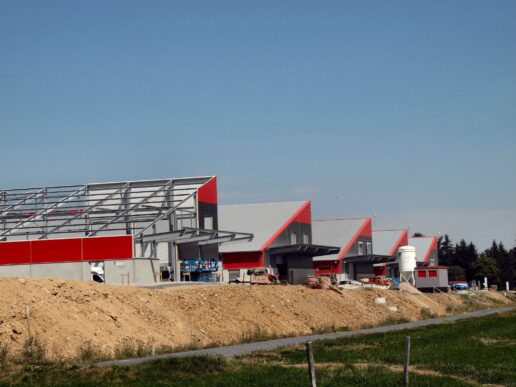
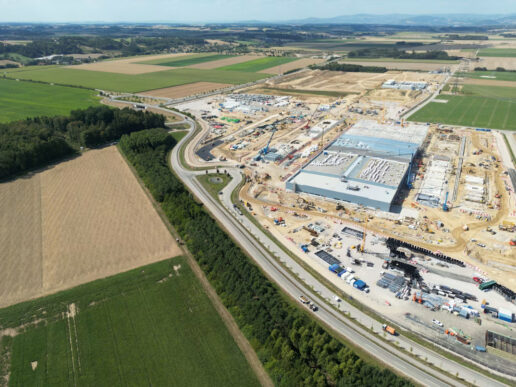
Enterprises use SAP EPPM to plan and manage capital-intensive programs such as data centers, utilities, manufacturing expansions, infrastructure upgrades, and plant projects. SAP environments help connect project scope, budgets, forecasts, commitments, and actuals so leaders can govern investment decisions.
PMOs and executives use SAP EPPM to score, rank, approve, defer, or stop projects based on strategic value, risk, cost, and available capacity. This helps organizations move away from spreadsheet-based planning and compare initiatives across business units using standardized portfolio criteria.
Finance and project teams use SAP EPPM to monitor planned versus actual spend, change orders, purchase orders, cash flow, and budget variance. When connected to SAP S/4HANA Finance and procurement, project controls become part of the broader enterprise financial management process.
Organizations use SAP EPPM to understand whether the right people, skills, and external partners are available to deliver approved work. This helps portfolio managers balance demand against capacity, avoid over-committing critical resources, and sequence projects more realistically.
SAP customers use EPPM capabilities to govern S/4HANA migrations, cloud ERP programs, BTP initiatives, and other transformation projects. By tracking milestones, dependencies, risks, and value realization, enterprises can align delivery execution with executive priorities.
SAP S/4HANA Migration 2025 points to the project-management pressures surrounding SAP transformation. The report finds that 32% of respondents have already transitioned to SAP S/4HANA, while 27% are actively implementing it, underscoring the need for structured planning, governance, and resource coordination.
Data, Integration, & SAP BTP Benchmark Report provides useful context for EPPM environments that depend on connected project, finance, procurement, and operational data. The report finds that 78% of respondents need cloud-to-on-premise integration, while only 24% run predominantly SAP solutions.
Technology Leader’s Strategic Agenda for 2026 reflects the broader operating environment for portfolio governance. With 70% of technology leaders prioritizing operational efficiency and cost reduction, SAP teams have a stronger need to evaluate, sequence, and track initiatives based on measurable business value.








Your request has been successfully sent