6 minute read
Meet the Authors
Key Takeaways
-
SAP and N4XT Experiences announced a multi-season partnership supporting New York Fashion Week infrastructure.
-
The initiative includes the phased rollout of the .FW digital platform connecting designers, partners, and audiences.
-
A Retail Innovation Lab will showcase AI-enabled retail technology in a live fashion environment.
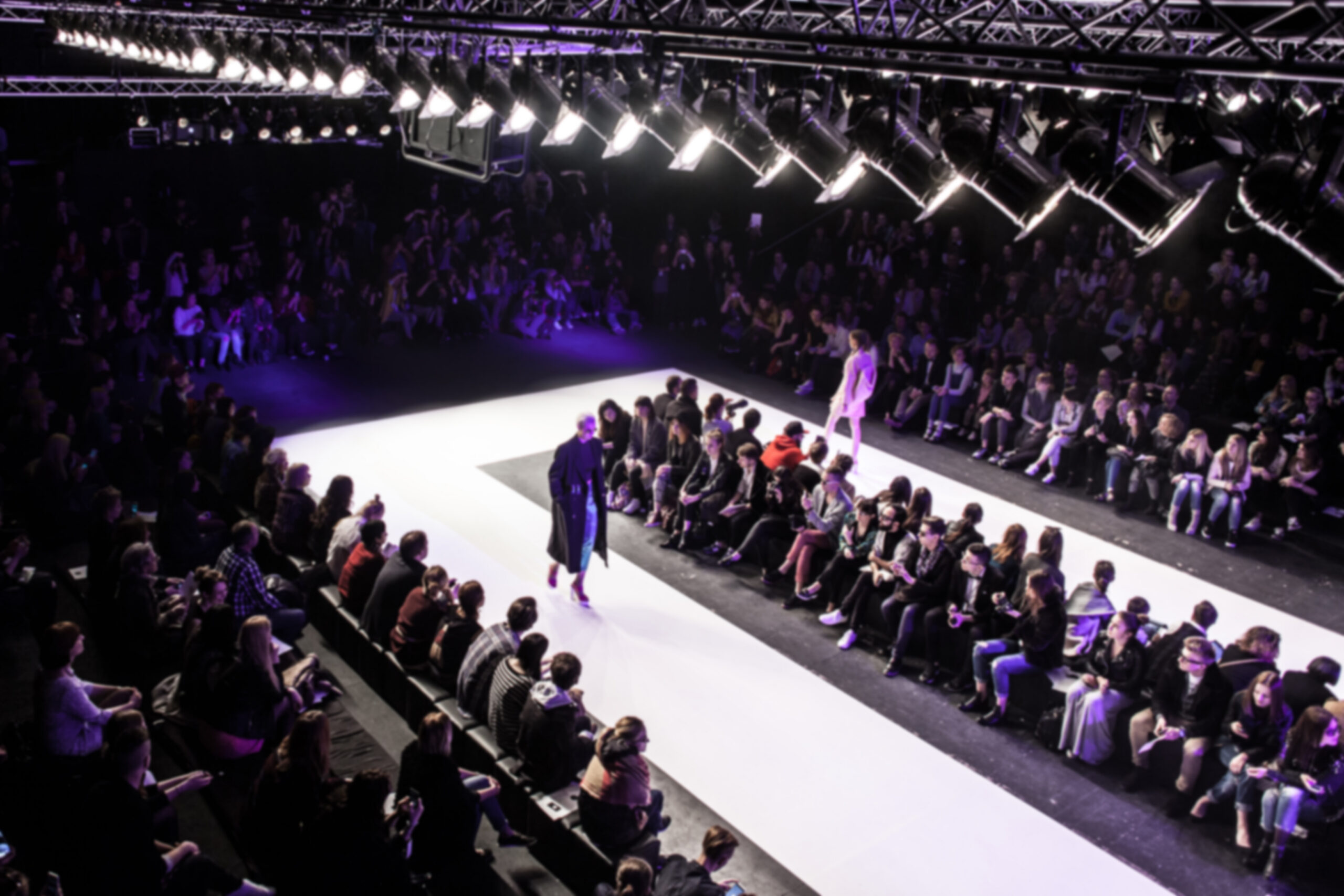
SAP has entered a multi-season partnership with N4XT Experiences to support the digital, retail, and experiential infrastructure behind New York Fashion Week (NYFW) and N4XT’s recently launched NYFW Collections platform. The partnership, announced on February 5, positions SAP as an official technology and co-innovation partner rather than a traditional sponsor, with the first phase debuting during NYFW this February.
N4XT operates large-scale fashion properties including NYFW Collections and LA Fashion Week, providing venues, operational infrastructure, and production support for designers. Under the agreement, SAP will contribute enterprise-grade capabilities spanning business software, omnichannel commerce, in-store technology, AI-enabled innovation, and physical retail activations. The companies describe the collaboration as a phased, multi-season rollout intended to scale alongside NYFW Collections.
Evolution of .FW Digital Platform
A primary feature of this initiative is the creation of a digital platform called .FW, which aims to unify designers, buyers, and consumers within a single ecosystem. The .FW platform will be rolled out in phases, according to N4XT.
Explore related questions
The platform will offer curated access to designers and collections, along with tools for navigating schedules and events. It will also connect in-person retail activations with digital experiences across the NYFW calendar.
Imad Izemrane, co-founder and CEO of N4XT, said, “This partnership with SAP marks a long-term commitment to building the infrastructure and solutions the fashion industry needs to grow sustainably.” He added that N4XT aims to remove operational and logistical barriers for designers while leveraging SAP’s technology to scale these systems, describing the February launch as the foundation for future growth.
Retail Innovation Lab Showcases AI-Enabled Retail Capabilities
The partnership will also debut the Retail Innovation Lab by NYFW Collections and SAP. Co-developed with Public School brand co-founders Dao-Yi Chow and Maxwell Osborne, the lab will allow the public and industry professionals to interact with SAP’s AI-enabled shopping technologies.
The lab will support the relaunch of the Public School brand, reimagining how NYFW can function as a platform for direct commerce.
Chow and Osborne said, “The Retail Innovation Lab by NYFW Collections and SAP gives us access to real infrastructure — tools that connect creativity, retail, and technology in a way that’s actionable, not theoretical.”
Through this SAP has demonstrated real-world applications of its technology within fashion and retail. For designers and brands, the initiative provides access to enterprise-grade tools, data, and infrastructure intended to support operational efficiency, growth, and scalability.
What This Means for SAPinsiders
The partnership is a tangible proof of concept for AI-enabled retail innovation. The partnership places SAP technology at the operational core of a major cultural event. It showcases the practical application of SAP’s AI-enabled technology within the fashion and retail sectors. For SAPinsiders, the Retail Innovation Lab provides a concrete example of how AI can be integrated into in-store technology and physical retail activations to create “actionable” rather than theoretical tools.
Unified digital environments are becoming central to ecosystem strategy. The planned .FW platform highlights growing demand for connected environments that bring together partners, customers, and commerce. SAP deployments are increasingly designed to support multi-party ecosystems rather than single organizations. SAPinsiders should see this as a template for how SAP software can be phased into an industry to support a complex ecosystem of designers, editors, and buyers.
Physical-digital retail integration continues to mature. Linking in-store activations with digital tools signals an ongoing shift toward blended retail models. SAP technologies are being positioned to support operational consistency across physical and digital touchpoints.
More Resources
See All Related Content
AI Isn’t Coming for Your Job. It’s Coming for Your ExcusesThe article argues that AI won't replace humans but rather organizations failing to redesign their work processes; it emphasizes that AI acts as a force multiplier, enhancing human capabilities and exposing weaknesses in dysfunctional systems, thus necessitating a shift in how businesses integrate and leverage AI for meaningful transformation.


Vasion Output Achieves SAP Certified Integration for GROW, S/4HANA PlatformsVasion Output has secured SAP certification for integration with GROW and RISE with SAP S/4HANA Cloud, enabling organizations to effectively manage output and document workflows as a standardized cloud-native service.
4 minute read