Apr 8, 2025
•3 minute read
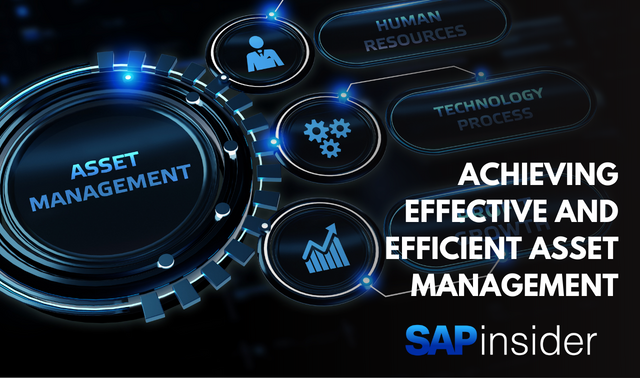
SAP Asset Tracking gives organizations a centralized, cloud-based view of every physical asset, from generators and vehicles to computers and industrial equipment, using GPS, barcodes, RFID and IoT sensors. Through SAP Business Network for Asset Tracking, equipment usage data is collected, shared and monitored across partner networks, enabling condition-based decisions on maintenance, upgrades and replacements. SAPinsider research and practitioner case studies confirm that replacing manual spreadsheets and paper-based processes with integrated tracking delivers measurable gains in efficiency, uptime and cost control. The content below explores how leading SAP organizations are putting asset tracking into practice.
SAP Asset Tracking is the practice of identifying, locating and monitoring all physical assets a company owns using GPS, barcode scanners and RFID technology, integrated into a single cloud-based interface. At its center is SAP Business Network for Asset Tracking, a hub that automates equipment tracking, connects manufacturers, operators and service providers, and integrates natively with SAP S/4HANA and the SAP Fiori user experience. The solution eliminates manual paperwork, centralizes asset performance feedback and enables collaborative asset management across business partners. Industries from manufacturing and utilities to automotive and oil and gas use SAP Asset Tracking to optimize performance, reduce losses and maintain a competitive advantage.
Neptune Empowers Enterprise Mobility With Seamless Data Synchronization Offline
TC Energy implemented Neptune Software’s offline SAP EAM capabilities for maintenance teams conducting inspections in remote areas with no network access, delivering a 30% increase in technician productivity, a 40% reduction in administrative delays and a 25% decrease in operational costs. Data discrepancies were cut in half and equipment downtime fell by 20%.
How a Global Manufacturer Improved SAP Inventory Accuracy
Graphic Packaging International implemented RFgen mobile barcoding solutions across 25 North American sites, achieving a 25% efficiency boost and 30% productivity gains. The phased rollout also reduced training time by 80% and drove high user adoption, positioning the company for future SAP S/4HANA migration and international expansion.
How Returnable Asset Tracking Enhances Production
Integrating returnable asset tracking into production processes can significantly reduce operational costs and minimize production delays by ensuring real-time visibility of asset locations and statuses. Asset misplacement, delayed returns and lack of visibility disrupt production schedules; effective traceability improves sustainability by reducing waste and smooths the flow of goods from production to delivery.
AGL Energy Tracks and Traces Tens of Thousands of Serialized Rotable Parts
According to SAPinsider‘s Intelligent PLM Benchmark Report, 70% of SAP customers have integrated product or asset requirements into product models to support traceability. AGL Energy, which accounts for approximately 20% of Australia’s total generation capacity, uses an SAP Fiori app integrated with SAP S/4HANA to track tens of thousands of rotable and repairable parts across its sites.
Centralizing and Streamlining Asset Management
Organizations relying on spreadsheets, handwritten notes and disconnected systems struggle with a lack of real-time data, budget overruns and reactive maintenance. Centralized platforms with smart dashboards, inventory tracking for spare parts and mobile work order management transform asset tracking from an administrative burden into a strategic advantage, improving equipment longevity and cross-location coordination.
Elevating Enterprise Asset Management in the Digital Age
This SAPinsider benchmark report, based on a survey of 159 members of the SAPinsider community, identifies real-time asset visibility and tracking and asset data quality as the top strategies organizations are deploying for EAM transformation. The report examines decision criteria for asset management technology investments and provides actionable recommendations for improving financial performance.
The Emerging Role of AI in Enterprise Asset Management
According to SAPinsider research cited in this analyst insight, only 7% of respondents have completed AI/ML deployments in EAM, while many more are planning deployments within two years. As AI matures, asset tracking data becomes the essential foundation for predictive analytics, automated alerts and condition-based maintenance decisions.
SAPinsider Benchmark Research: ERP Migration and Transformation 2026
A record 55% of organizations have deployed SAP S/4HANA or SAP S/4HANA Cloud, according to the latest SAPinsider ERP Migration and Transformation research, creating the integrated ERP foundation that enables real-time asset tracking and IoT connectivity at scale. SAP AI announcements were cited as the top external factor shaping ERP strategy by 54% of respondents, reinforcing the urgency to connect asset tracking data with intelligent analytics.






Your request has been successfully sent