



Mar 16-19, 2026Las Vegas, Nevada, NV
SAP Enterprise Asset Management
Featured Insiders
Upcoming Events
SAPinsider Las Vegas 2026
Related Vendors


What is Enterprise Asset Management?
Enterprise Asset Management (EAM) in SAP focuses on managing and maintaining an organization’s assets throughout its lifecycle. It employs systematic approaches such as asset tracking, planning, maintenance, and analysis to ensure optimal asset utilization and performance.
What is Enterprise Asset Management?
Enterprise Asset Management (EAM) in SAP focuses on managing and maintaining an organization’s assets throughout its lifecycle. It employs systematic approaches such as asset tracking, planning, maintenance, and analysis to ensure optimal asset utilization and performance.
By leveraging advanced technologies such as IoT (Internet of Things) sensors, predictive analytics, and cloud-based platforms, Enterprise Asset Management (EAM) in SAP enables organizations to monitor asset health, schedule preventive maintenance, manage repairs, and make informed decisions on asset acquisition or disposal. This proactive and data-driven approach to asset management helps organizations minimize downtime, reduce costs, extend asset lifespan, and improve overall operational productivity.
SAP Enterprise Asset Management (EAM) empowers organizations to align their asset management best practices with their broader organizational goals and achieve sustainable competitive advantage.
How Does an EAM System Work?
As the landscape of Enterprise Asset Management (EAM) in SAP continues to evolve, traditional on-premise systems have given way to modern cloud-based solutions. This technological advancement brings advantages like increased data storage capacities, enhanced security measures, and seamless integration with complementary applications such as supply chain management systems, mobile workforce management systems, Internet of Things (IoT) sensor systems, GIS (geographic information systems), GPS, and various other applications. By leveraging cloud platforms, organizations can efficiently manage their assets and also benefit from scalability, flexibility, and accessibility to real-time information while optimizing their asset management processes and driving operational excellence. EAM involves the following steps:
- Collecting and storing asset data in the cloud, utilizing the cloud’s agility to centralize asset information and generate analytical insights.
- Using data to guide asset strategy and optimize productivity by leveraging ML and predictive analytics to assess risks.
- Proactively schedule and maintain inspections, prioritize critical assets to minimize downtime, and resolving issues.
- Extending EAM system capabilities to workers enables management of work orders, asset processes, remote tracking, and maintenance process management.
Why is Asset Management Important?
Asset management is crucial for organizations across industries as it enables them to optimize the use of physical assets while minimizing downtime and maximizing returns. It also helps mitigate risks by proactively addressing potential failures and ensuring asset reliability. Informed decision-making is facilitated by analyzing asset data, allowing organizations to strategically plan investments, optimize portfolios and support regulatory compliance and ensure adherence to standards and regulations. Overall, effective asset management enhances operational efficiency, reduces risks, supports decision-making, and leads to improved profitability and long-term success.
SAP Intelligent Asset Management
SAP offers SAP Intelligent Asset Management, a suite of solutions that “enables an organization to use sensor technologies and predictive analytics to improve asset health.” The four solutions and some of their capabilities include:
- SAP Asset Intelligence Network SAP: Asset Intelligence Network offers collaborative capabilities and automated equipment tracking and enables organizations to seamlessly connect with stakeholders across the asset lifecycle. By leveraging this network, businesses can effectively manage and maintain their assets while benefiting from real-time insights. The platform automates equipment tracking and streamlines asset management processes, enhances operational efficiency, and enables proactive decision-making regarding maintenance, repairs, and replacement. SAP Asset Intelligence Network empowers organizations to optimize their EAM strategies, improve asset performance, and drive operational excellence in a collaborative and automated environment.
- SAP Predictive Asset Insights: SAP Predictive Asset Insights provides a 360-degree view of organizational assets and leverages advanced predictive analytics to generate a comprehensive view of assets, including their condition, performance, and maintenance requirements. The 360-degree view allows for real-time asset monitoring and tracking, enabling proactive maintenance and optimized asset utilization. With advanced predictive analytics algorithms, the solution enables forecasting asset failures and finding potential issues before they occur. By harnessing the power of data and analytics, SAP Predictive Asset Insights empowers organizations to make data-driven decisions, reduce downtime, improve operational efficiency, and enhance the overall performance and reliability of their asset portfolio.
- SAP Mobile Asset Management: SAP Mobile Asset Management streamlines work order management and enhances asset maintenance processes. The solution enables efficient work order creation, assignment, and tracking, empowering field workers and other users to access and update critical asset information in real time through mobile devices. SAP Mobile Asset Management allows organizations to optimize resource allocation, improve response times, and ensure the timely completion of maintenance tasks. The cloud-based deployment provides seamless integration, enabling organizations to harness the benefits of advanced analytics, IoT sensors, and other complementary applications to enhance asset management practices.
- SAP Asset Strategy and Performance Management: SAP Asset Strategy and Performance Management optimizes asset performance and enhances maintenance strategies by leveraging asset information management and failure modes and effects analysis (FMEA). Asset information management allows to capture, store, and manage critical asset information, including technical specifications, maintenance history, and documentation. This centralized repository enables easy access to asset data, facilitating informed decision-making and streamlined maintenance processes. The failure modes and effects analysis (FMEA) module enable organizations to identify potential failure modes of assets, assess their potential impact, and develop appropriate preventive and corrective maintenance strategies. SAP Asset Strategy and Performance Management empowers organizations to maximize the value of their assets, reduce downtime, and enhance operational efficiency through effective asset information management and failure modes analysis.
Join SAPinsider Today
Join SAPinsider to access opportunities for networking and engagement in the dynamic SAP ecosystem. As a member, you will have access to a wealth of valuable resources and content tailored to SAP technologies and best practices like the latest research reports, articles, webinars, and events that will keep you informed and ahead of the curve.
Join SAPinsider to access opportunities for networking and engagement in the dynamic SAP ecosystem. As a member, you will have access to a wealth of valuable resources and content tailored to SAP technologies and best practices like the latest research reports, articles, webinars, and events that will keep you informed and ahead of the curve.
SAPinsider membership grants you exclusive access to in-depth analyses, expert insights, and practical guidance that will empower you to navigate the ever-evolving SAP landscape with ease. SAPinsider membership will enable you to remain one step ahead and harness the latest trends, innovations, and strategies to drive your own powerful digital transformations, optimize your SAP investments, and unlock business success.
56 results

Register Now: SAPinsider Vegas 2024Oct 17, 2023 — The must-attend SAP end-user event is back! Make your plans now to join us and thousands of your colleagues at the beautiful Bellagio Hotel & Resort in Las Vegas, Nevada, March 18-21, 2024. With hundreds of sessions programmed into key SAP topic areas, you can be sure you'll get the learning you and your teams need to master SAP.
1 minute read
2023 Community Snapshot – Mastering SAP Enterprise Asset Management (EAM)Jul 26, 2023 — Content and speakers are a direct result of 100+ SAP professionals coming together to collaborate in a series of virtual roundtable think tanks and interviews. Challenges and opportunities are debated, top issues are selected, and the Mastering SAP EAM Community Snapshot is authored. Keep scrolling to review the hot topics, examine key findings and download the report.
1 minute read

Improving Safety and Audit Trails with Fortescue Vehicle Prestart AppMay 26, 2023 — Built to replace the existing paper forms, which are required to be completed before a vehicle is used. Using build.me and Fiori, to design a simple user interface, making it quick and snappy. There has been a successful take up, business is rolling out across more sites and Fortescue are achieving a improved turn arounds on vehicle maintenance requests/repairs. The Fiori solution is intuitive, offers great UX and no training required.
1 minute read
Linking Operational Electricity Distribution Faults to Real-Time Repair – SCADA to SAPMay 19, 2023 — Ausgrid have built a customized update function between our ADMS (SCADA System) and SAP. This has resulted in a real time solution always showing defective asset state and on-line readiness within ADMS and SAP. The outcomes include enhanced work planning and execution, improved asset utilization and greater network control.
1 minute read

Sustainable Manufacturing Leveraging Smart FactoriesAug 12, 2022 — While supply chain leaders across industries and geographies grapple with managing the ever-increasing supply chain complexities and risks, there is an additional demand on the companies to be more resourceful and conscientious of environmental and social needs. There is no doubt that the collective awareness around Sustainability and specifically Sustainability in supply chains has increased, both within the consumers as well as all the supply chain stakeholders. Along with other factors, this collective awareness has also led to the emergence of sustainability as a critical component of the supply chain process. With all this focus on Sustainability, organizations are not only looking to build visibility into their end-to-end supply chains, but they are also looking to leverage the power of data and analytics to run more sustainable supply chains. Manufacturing is a critical component in supply chains and hence the focus on building sustainable manufacturing capabilities has grown exponentially. This article explores this increased focus in detail.
4 minute read
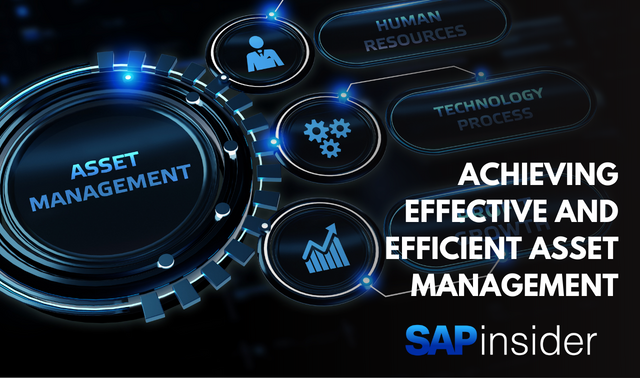
Achieving Effective and Efficient Asset ManagementJul 11, 2022 — In heavy asset intensive industries from manufacturing and processing facilities through to Rail, Aerospace, Utilities, Oil & Gas and Mining operations, the largest operational expense beyond the CAPEX of building the plant resides in maintaining the equipment required to do the job.
11 minute read