As enterprises accelerate their transformation journeys, the role of the SAP Enterprise Architect is rapidly evolving; from maintaining system integrity to enabling innovation at scale. This session explores how to unlock agility, extensibility, and intelligence across the enterprise without compromising the clean core. Whether navigating RISE with SAP, enabling modular business capabilities, or shaping your enterprise AI strategy, it's important to have a blueprint for advancing the enterprise at all times.
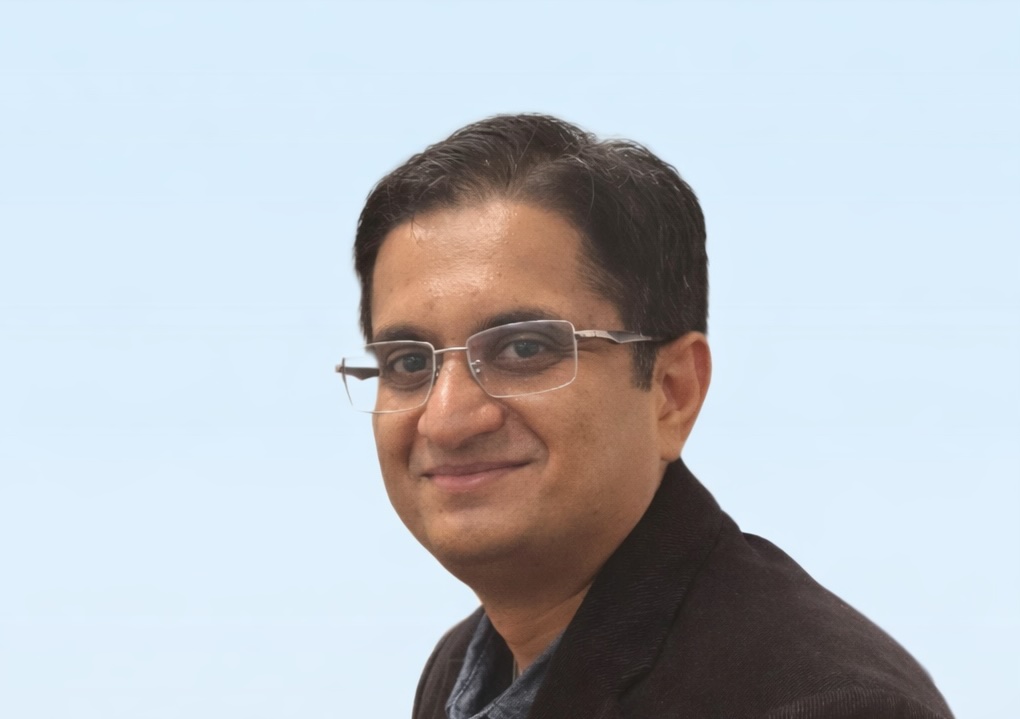
Ahmed Munir, principal architect for Charter Communications, talked about how they use SAP BTP to achieve clean core principles and some of the other challenges they've faced and overcome:
Question: How do you balance side-by-side extensibility on SAP BTP with clean core principles while meeting urgent business needs?
The key is to make clean core non-negotiable and use architecture to deliver speed. When the business needs fast changes like pricing rules, monetization logic, or AI capabilities—we build them outside SAP S/4HANA on SAP BTP, using standard APIs and events. S/4 stays stable and upgrade safe as the system of record. This approach lets teams move quickly without creating long-term problems. A core message in my session is simple: shortcuts in the core always come back during upgrades usually at the worst time.
Q: What governance approaches help scale innovation without creating fragmentation or technical debt?
Munir: The most effective governance is guardrail-based, not approval-heavy. We set a small number of clear rules:
- No SAP modifications
- No direct writes into S/4 from external systems
- Standard integration patterns
- Clear ownership of data.
Teams are free to innovate if they stay within those boundaries. This keeps solutions consistent, avoids fragmentation, and makes technical debt visible immediately instead of years later.
Q: What integration patterns work best for hybrid and event-driven SAP landscapes?
Munir: Event-driven, asynchronous integration works best, with SAP as the system of record. APIs are used to trigger actions, while events communicate meaningful business changes. This keeps systems loosely coupled, prevents performance bottlenecks, and allows teams to scale independently. One real example in the session shows how moving away from synchronous point-to-point integrations stabilized a production environment under heavy load.
Q: How do you decide between build vs. buy and extension strategies under RISE with SAP?
The main question is: does this capability differentiate the business? If it doesn’t, we use SAP standard or partner solutions under RISE. If it does, we build it as a side-by-side extension on BTP - not in the core. Every decision considers upgrade safety, risk, reversibility, and long-term cost. A key takeaway is that BTP should enable innovation, not become a shadow ERP.
This Q&A gives SAP leaders, IT teams, and ERP program stakeholders a practical look at how Charter Communications approached its move to SAP BTP and maintaining clean core. Interested readers can hear Ahmed Munir share additional insights during his session at SAPinsider Las Vegas 2026.