Aug 7, 2021
•5 minute read
Spend Analysis Defined
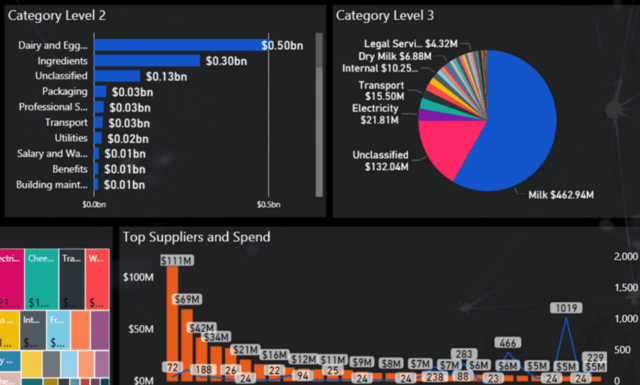
Spend analysis is the process of identifying, gathering, cleansing, grouping, categorizing, and analyzing your organization’s spend data. It is important because it converts raw data into actionable information. An organization should have a goal of decreasing procurement costs and improving efficiencies while increasing visibility and transparency. Visibility of spending and suppliers is critical to improve customer service and to consistently grow return on investment.
4 Stages in Spend Analysis are:
Spend Analysis Defined
Spend analysis is the process of identifying, gathering, cleansing, grouping, categorizing, and analyzing your organization’s spend data. It is important because it converts raw data into actionable information. An organization should have a goal of decreasing procurement costs and improving efficiencies while increasing visibility and transparency. Visibility of spending and suppliers is critical to improve customer service and to consistently grow return on investment.
4 Stages in Spend Analysis are:
Rogue, maverick, and tail spend are common terms in the procurement business. They all mean roughly the same thing – unexpected, unpredictable, or unorthodox spending. This spending can happen when purchases are made outside of agreed supplier contracts, often ignoring defined procurement processes. The most immediate task of spend analytics is to provide transparency and insights into where money is spent. Data integrity is a central element in obtaining true transparency. A long-term plan of transparency is to increase supplier negotiation efficiency and effectiveness by having fact-based conversations.
7 Steps to Success are:
Benefits of Spend Analysis are:
There is an opportunity to consider how spend transparency, analytics, decision rules, alerts and warnings can help organizations respond faster to challenges. Automating the collection and analysis of spend data significantly helps save time and resources. Spend analysis is usually done through a dedicated software or one-off spend cubes. Generally, an enterprise resource planning (ERP) system solution is used to provide a single source of truth for business transactions.
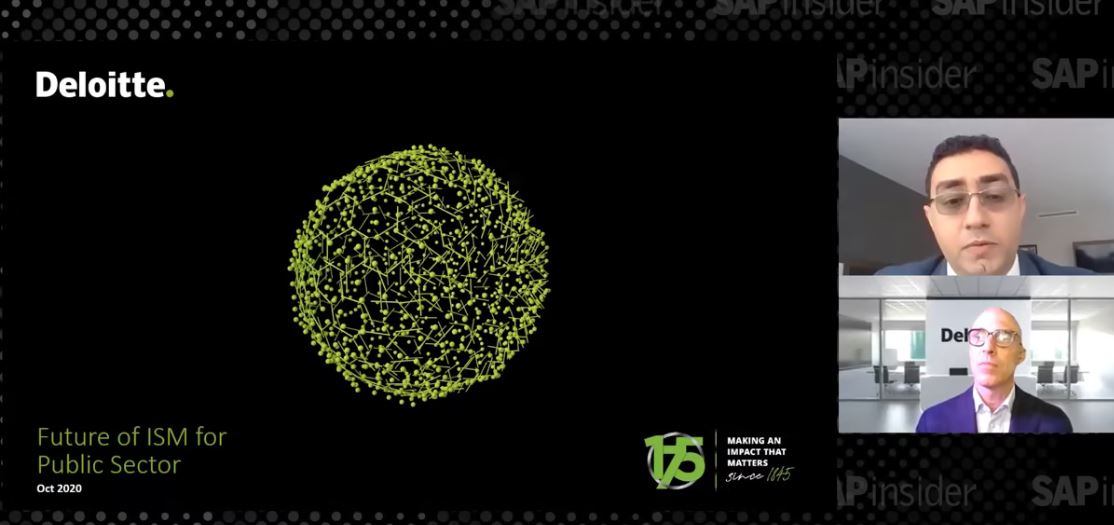
Vendor partners helping companies of all sizes to drive better business decisions with software or data integration are: SAP, Qlik or Deloitte.
Key Considerations for SAPinsiders are:




Your request has been successfully sent