

3 minute read
Meet the Authors
Key Takeaways
What you need to know
Data center operators are balancing competing capital projects against limited resources, changing demand, and execution capacity.
Platinum DB’s EPPM Plus model connects SAP EPPM with FP&A so project performance can inform forecasts, funding decisions, and the ongoing business case.
CII Best Practices structure investment reviews through the project lifecycle, while SAP Analytics Cloud planning carries capital decisions into broader financial and operating planning.
Platinum DB Consulting is combining SAP Enterprise Portfolio and Project Management (EPPM) with financial planning and analysis (FP&A) for data center capital portfolios.
Construction Industry Institute (CII) Best Practices provide the governance framework for moving investments from planning to execution, while the SAP environment connects project performance with the financial assumptions behind those investments.
That changes the question finance and project leaders can ask. Instead of simply determining whether a project is staying within its approved budget, they can ask whether it should still receive capital given what has changed since approval.
Explore related questions
Ask SAPi
Data Center Projects Compete for Capital and Resources
Data center operators are making capital decisions across projects that increasingly compete with one another. Capacity expansion, infrastructure upgrades, and AI-ready systems can all draw on the same investment pool.
Money is only one constraint. Data center projects also depend on engineering, construction, and technical specialists who may be needed across several initiatives at once. SAP EPPM can help organizations plan that demand across the portfolio. This allows leaders to assess resources across projects instead of evaluating each one in isolation.
Finance and project leaders then face a harder question. A project with the strongest expected return may not be the best one to prioritize. The organization may lack the resources to deliver it, or changing demands may make another project more urgent.
Financial planning therefore depends on understanding what the business can execute. Connecting FP&A with EPPM brings those two views closer together.
Keep the Business Case in Play Through Execution
EPPM and FP&A approach the same investment from different directions. EPPM tracks how projects are progressing across the portfolio, including resources, costs, and risks. FP&A connects that information to the financial plan.
Platinum DB brings those functions together through EPPM Plus. Its model connects SAP EPPM with SAP ERP and SAP Analytics Cloud planning, allowing project information to sit alongside budgets and forecasts. SAP Analytics Cloud planning carries that financial view into the broader plan, connecting project-level capital forecasts with cash flow and wider financial planning.
The financial lifecycle continues after commissioning. Once the investment becomes an operating asset, depreciation and operating expenses become part of the ongoing financial plan. That carries the original capital decision into P&L planning after commissioning.
As project conditions change, finance can update the forecast rather than treat the original plan as fixed. Higher costs, delayed milestones, or changing requirements can then be compared with the original business case as leaders reconsider timing, funding, or priority.
The model, informed by CII Best Practices, gives those reviews a defined place in the project lifecycle. Platinum DB maps the process from idea development and feasibility through capital approval, execution and commissioning.
At those stages, leaders can assess project readiness alongside costs, capacity, and expected returns before committing additional capital.
Manage Data Center Investment at Portfolio Scale
The Platinum DB model gives executives a portfolio-level view of data center investment.
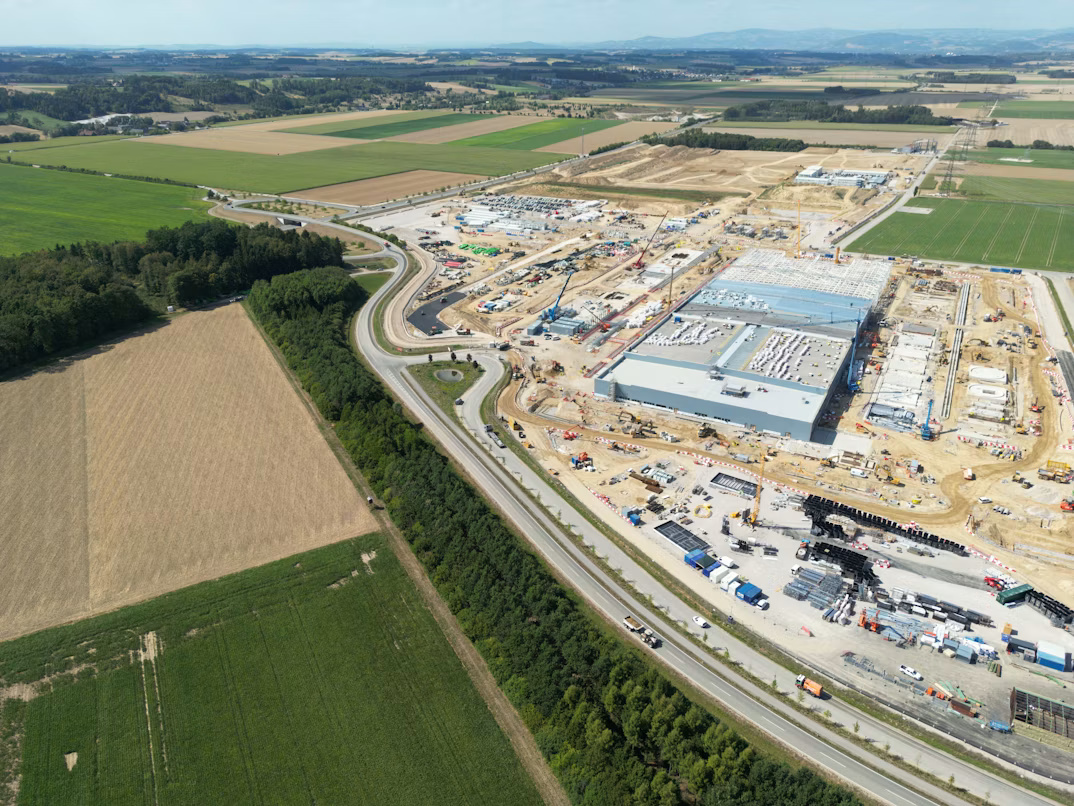
The company illustrates the scale of that challenge through a scenario involving a global colocation provider with 30 data centers, a $1 billion annual CapEx portfolio, and hundreds of concurrent projects. At that scale, demand, engineering capacity, and capital commitments have to be considered at the same time.
Leadership teams using Platinum DB’s EPPM Plus can prioritize expansion based on customer demand, allocate engineering resources, and track spending as projects progress. They can also forecast at the work breakdown structure and purchase-order level while monitoring milestones, risks and expected returns across the portfolio. That information can support scenario planning around timing, capacity, and project priority, helping leaders understand how portfolio choices could affect the wider financial plan.
As investment portfolios grow, separate systems and handoffs make planning and execution harder to coordinate. A more connected operating model gives leadership a clearer way to manage that complexity.
What This Means for SAPinsiders
- Capital governance becomes a continuous discipline. Revisiting project economics during execution requires clear decision rights for changing funding or priority. That can help leaders adjust funding and priorities sooner, before changing project conditions create larger portfolio-level consequences.
- Investment priorities can better reflect what teams can deliver. If the people and capacity needed to deliver a project are constrained, even a high-return investment may be difficult to complete on schedule. Including resource availability in FP&A helps leaders direct capital toward projects the organization can realistically execute.
- Standardization makes portfolio comparisons more valuable. CII Best Practices provide common stage gates that can be applied across different investments. Combined with financial measures, those standards make trade-offs clearer when leaders need to decide which projects should receive limited capital.
More Resources
See All Related Content

Why Complementary Tools Beat the SAP-Only ApproachThe article argues that because most enterprises will continue running hybrid SAP and non-SAP environments under Clean Core constraints, SAP-only strategies are too complex and limited, while complementary tools like Wands for SAP and Angles for SAP better preserve compliance, speed time-to-value, improve adoption, and help organizations get more from their existing SAP investment without adding unnecessary complexity.
4 minute read

SAP Licensing Is Becoming a FinOps DisciplineOrganizations transitioning through various SAP landscapes face increasing challenges in managing and understanding SAP licensing costs, necessitating a shift towards continuous financial governance and transparency similar to FinOps principles to prevent overspending and compliance risks.
2 minute read