4 minute read
Key Takeaways
What you need to know
SAP Clean Core is becoming a strategic necessity in the SAP S/4HANA and AI era because SAP is moving to continuous innovation, and heavily customized cores cannot support fast adoption of AI, automation, and SAP BTP capabilities.
A custom-heavy SAP core increases technical debt, upgrade risk, and implementation delays, which prevents AI pilots from scaling and turns upgrades into complex projects instead of predictable processes.
SAP BTP, clean interfaces, and upgrade-safe extensions work best when the SAP core is standardized and flexible, making Clean Core especially important for SAP customers modernizing ERP, enabling AI readiness, and reducing business disruption.
AI is now built into SAP’s future. S/4HANA releases, embedded intelligence, and SAP BTP innovations all move in one direction, toward faster, continuous change. But many SAP landscapes weren’t designed for that pace. Across transformation programs, one pattern keeps repeating. AI strategies look strong on paper. Roadmaps are ambitious. Yet execution slows at the same point every time: the…
More Resources
See All Related Content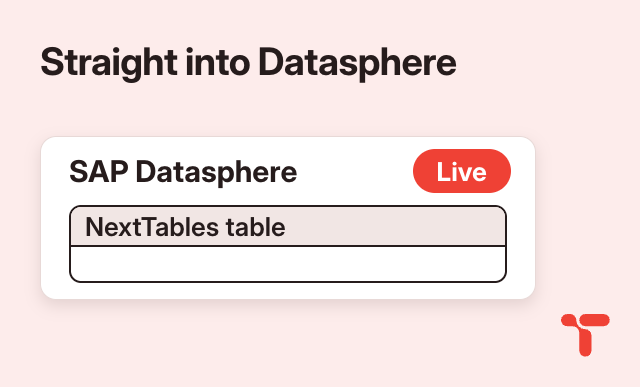
Read live NextTables tables straight inside SAP DatasphereThis article provides a step-by-step guide for SAP Datasphere users on how to consume NextTables data by creating a view in the Data Builder to import, deploy, and shape the table for reporting and downstream uses, ensuring governed data with proper validation and authorization.

SAP Support Deadlines Companies Should Be Planning for NowSAP's 2027 maintenance date leads to two planning horizons, 2030 and 2033, each with its own conditions. This article explains what each horizon requires, which SAP systems it covers, and how a lifecycle map keeps every system on schedule.
3 minute read
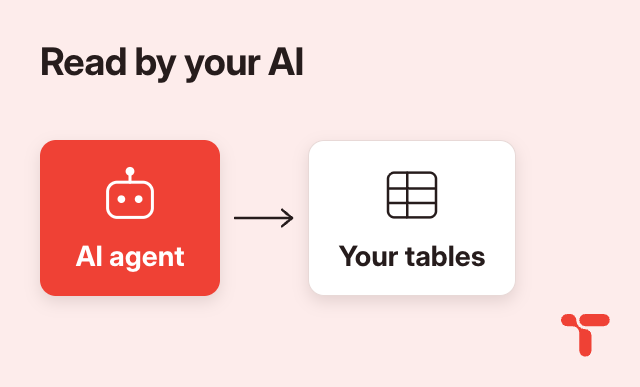
Give your AI models the mapping tables only your business teams haveTrusted data, intelligent assistance, agent-ready. Business teams maintain the mappings, classifications and parameters that models and agents run on, directly in the enterprise data platform, validated at entry and on the record.
1 minute read