3 minute read
Meet the Authors
Key Takeaways
What you need to know
Movilitas.Cloud connects SAP serialization repositories with receiving, shipping, reaggregation, verification, and SSCC label workflows.
Mobile warehouse execution helps keep physical product movements aligned with enterprise serialization records.
EPCIS exchange and partner onboarding extend traceability across suppliers, distributors, contract manufacturers, and regulated networks.
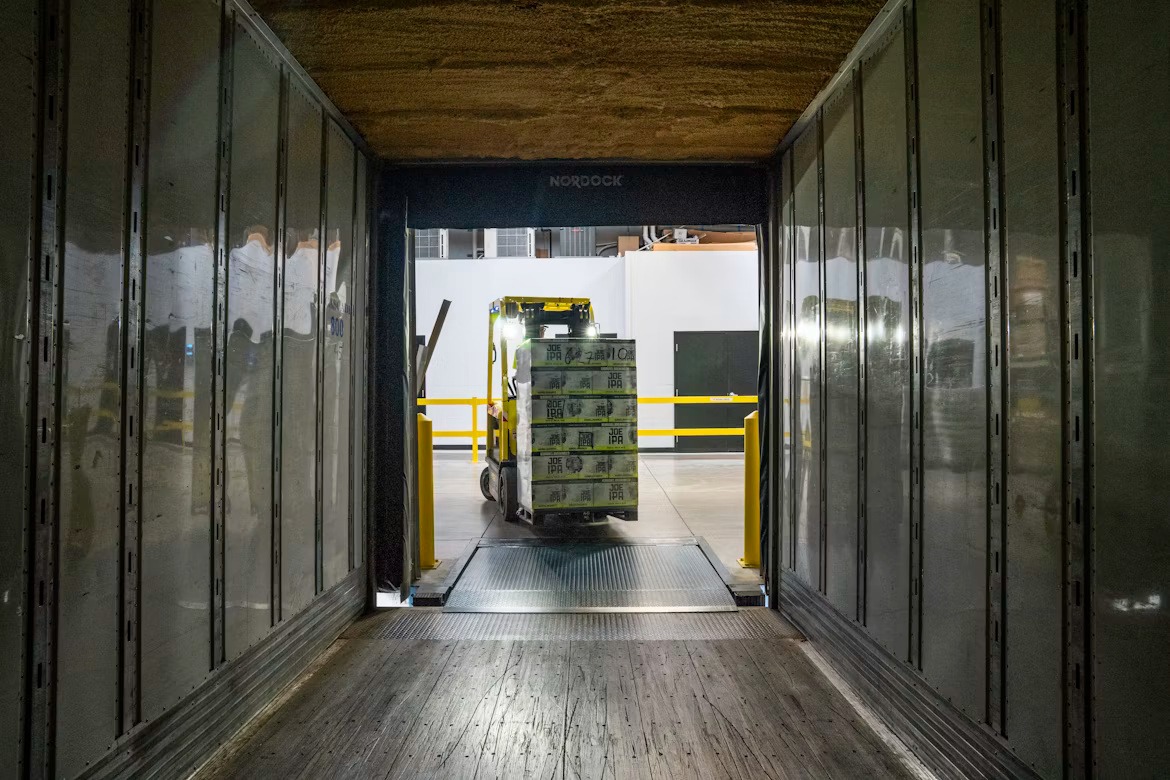
Serialized products move through receiving docks, packing stations, and shipping lanes, but the records governing them often sit in enterprise serialization systems. Movilitas.Cloud for Serialized Logistics brings physical activities into the serialization process.
The application is part of Movilitas.Cloud, a SaaS platform developed by Engineering Industries eXcellence, and supports inbound and outbound warehouse workflows while connecting with systems including SAP Advanced Track and Trace for Pharmaceuticals, SAP Information Collaboration Hub for Life Sciences, and TraceLink.
Warehouse Actions Update Serialization Records
Inbound work can begin with an order from an ERP system or a paper-based process.
Explore related questions
Ask SAPi
Employees scan serialized goods as they arrive, complete required verification, generate Serialized Shipping Container Codes, and pass updated information to connected repositories, ERP applications, or warehouse management systems.
Outbound workflows apply the same principle to shipping. Movilitas.Cloud can send information to regulatory channels and trading partners while warehouse employees complete the physical movement of goods. This brings event reporting into the operational workflow instead of requiring a separate compliance process after handling is complete.
The application also supports reaggregation, the warehouse process of unpacking serialized items from one container and assigning them to another. The serial relationship has to change when workers rebuild a pallet or case. Movilitas Mobile lets them do that.
Damaged or unreadable logistics labels create another point where physical and digital records can separate. Movilitas.Cloud generates and prints SSCC labels through integrations with Zebra Cloud Connect and NiceLabel Label Cloud.
Partner Data Extends the Traceability Chain
Serialization does not stop at the warehouse boundary. Suppliers and customers need to exchange information about the same trade items, containers, and logistics events. Movilitas.Cloud supports that exchange through GS1 Electronic Product Code Information Services files and digital twins that provide access to a shared object.
The broader platform is designed to onboard suppliers, distributors, contract manufacturers, and other partners. It can also connect to government systems and existing ERP, WMS, shop-floor, and serialization applications. Movilitas.Cloud describes the platform as a configurable, GAMP 5-validated SaaS offering.
Serialization Becomes an Execution-Layer Decision
The product’s SAP relevance lies in the handoff between enterprise serialization records and warehouse activity. SAP ATTP or another repository may govern the serial history, but receiving, packing, reaggregation, verification, and shipping determine whether that history continues to match the physical product.
That makes serialized logistics an execution-design issue rather than only a regulatory-reporting requirement. SAP teams evaluating the application must map which warehouse events already update their enterprise systems, which still depend on manual work, and where partners need access to the same traceability record.
What This Means for SAPinsiders
- Serialization ownership moves closer to operations. Warehouse supervisors and process owners will increasingly shape serialization outcomes, not only IT or compliance teams. Deployment plans should therefore fund role design, training, and exception governance alongside integration.
- Exception handling becomes the real control test. Routine scans are predictable; broken labels, rebuilt pallets, and mismatched partner data expose operational weakness. Buyers should evaluate recovery workflows and auditability as carefully as standard transaction coverage.
- Partner readiness will limit traceability value. A connected platform cannot close blind spots when suppliers or distributors lack usable onboarding paths. Low-friction data exchange may therefore matter more than adding another internal integration endpoint.
More Resources
See All Related Content
From Engineer-to-Order to Configure-to-Order: Why 4PACE’s CPQ Thinking Depends on the SAP Core4PACE's July 2026 guidance on moving from engineer-to-order to configure-to-order shows why CPQ strategy and SAP transformation are the same conversation: quotation rules only work when synchronized in real time with SAP master data and pricing.

MHP Americas’ Consulting Model for Automotive, Logistics and ManufacturingMHP Americas, the Porsche-owned consultancy, runs one operations-led consulting method across automotive, logistics and manufacturing, with SAP Transformation and S/4HANA planning references at its core. Here is how SAP customers can map the model to their own process landscape.
2 minute read
4 Strategies for Accelerating SAP Rollouts in Wholesale DistributionWholesale distributors facing supply chain volatility and rising customer demands can gain faster inventory visibility, standardized operations, and real-time analytics by accelerating SAP rollouts through best practices, strong change management, cloud deployment, phased implementation, and reduced reliance on complex legacy and custom systems.
4 minute read