2 minute read

Meet the Authors
Digile describes itself as a partner that helps modern businesses achieve AI transformation at scale. The company says it co-develops intelligence that learns and adapts inside a client’s existing ecosystem, an approach it positions as an alternative to industry hype, emphasizing tangible outcomes over marketing claims. That strategy centers on three platforms, Oneclick, Twinsights, and Digiwast, each addressing a different layer of enterprise operations, supported by service areas covering modernization, resilience, and AI initiatives.
AI and Data Intelligence Platforms: Oneclick and Twinsights
Oneclick combines data engineering, knowledge management, and generative AI into a single platform, layering in conversational interfaces built to support natural language interactions and prepare enterprises for broader AI adoption. The design logic is consolidation: rather than sourcing separate tools for each function, a company runs data preparation, knowledge retrieval, and conversational interfaces through one system, positioning the platform as infrastructure for AI adoption rather than a standalone application.
Twinsights takes a different approach, built around digital twin technology that bridges physical and digital environments. The platform is designed to surface spatial intelligence and predictive insights, giving operations teams a model of physical assets or processes that updates as conditions change. Enterprises across the industry are also embedding generative AI and conversational AI into SAP S/4HANA and SAP Business Technology Platform environments, and pursuing digital twin adoption for asset management and predictive maintenance tied to SAP asset and supply chain processes. Digile’s two platforms address adjacent but distinct problems: Oneclick concentrates on unifying data and language interfaces, while Twinsights concentrates on modeling physical systems for forecasting and decision support.
Explore related questions
Ask SAPi
Operational Resilience and Sustainability: Digiwast and Core Service Areas
Digiwast extends the platform portfolio into IT asset lifecycle management. The SaaS-based platform integrates secure IT asset recovery, recycling, and refurbishing into a single digital workflow, giving enterprises one system to manage e-waste instead of coordinating separate vendors for disposal, data destruction, and recovery. Digiwast’s consolidation mirrors the logic behind Oneclick: reducing the number of disconnected tools a team has to operate.
Digiwast’s focus also connects to a wider pattern in enterprise IT, where e-waste and IT asset disposition management increasingly intersect with SAP Environment, Health and Safety modules and sustainability reporting requirements many organizations now face. Digile has not said that Digiwast integrates with any specific SAP module, but the platform’s function, tracking asset recovery and disposal in a structured digital record, aligns with the kind of documentation many sustainability programs require.
Digile organizes its broader work into five service areas. Two matter most here: building resilient operations, which houses Digiwast, and harnessing data and AI for impact, which covers Oneclick and Twinsights. The remaining three focus on modernizing technology stacks, sustaining operational support, and expanding next-generation infrastructure.
What This Means for SAPinsiders
- Unified AI platforms can reduce vendor sprawl. SAP teams currently managing separate tools for data engineering, conversational interfaces, and generative AI may find a consolidated platform reduces integration overhead. Fewer vendors can also simplify how a team tracks data lineage and access controls across AI workloads.
- Digital twin capability adds a new evaluation criterion. Procurement and IT leadership assessing transformation partners may need to weigh spatial intelligence and predictive modeling alongside traditional ERP implementation scope. Vendor selection teams now need to evaluate that broader skill set during due diligence.
- Digitized e-waste tracking raises governance coordination needs. As IT asset disposition processes move onto structured digital platforms, sustainability officers and IT asset managers may need tighter coordination to keep disposal records aligned with compliance obligations. The shift toward digitized tracking can change who owns the data trail for retired hardware.
More Resources
See All Related Content
Pantheon Positions SAP Practice Around Cross-Module Consulting and Global RolloutsPantheon Inc. is offering its extensive SAP practice as a single, consolidated partner option for organizations managing diverse SAP needs. This approach aims to streamline operations and enhance value extraction from existing SAP investments.
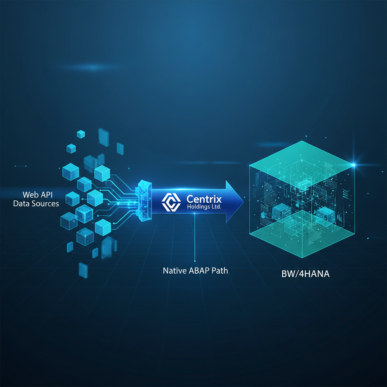
Centrix Consulting Builds Native ABAP Path for Web API Data Into BW/4HANACentrix Consulting built a native ABAP solution for SAP BW/4HANA to integrate external Web API data directly. This custom program feeds an HR KPI dashboard in SAP Analytics Cloud, showcasing a method to bypass traditional middleware for immediate data availability.
3 minute read

PowerPlan NXT Unifies Asset Accounting, Tax, Regulatory, and PlanningPowerPlan NXT unifies asset accounting, tax, regulatory, and planning into an AI-powered SaaS platform. It streamlines finance operations for asset-intensive organizations, offering specialized solutions for compliance, optimization, and seamless integration with existing ERP systems.
3 minute read
cimt Acquires CompanyMind to Build SAP-Focused AI Competencecimt consulting ag's acquisition of CompanyMind and its expanded partnerships signal a strategic move to build AI competence within SAP environments. This development offers SAPinsiders insights into emerging trends in AI-driven automation, specialized integrations, and the importance of security in IT consulting.
3 minute read