1 minute read

Meet the Authors
Key Takeaways
What you need to know
ALIANDO offers a funded SAP-to-Azure migration bundling a Microsoft Fabric proof of concept and 24/7 Premier Support.
The service runs SAP on Azure-native tooling, including the Azure Center for SAP Solutions and Sentinel, Defender, and Purview security.
Microsoft Fabric and an SAP RISE Accelerator extend the offer into analytics and the path to S/4HANA Cloud.
ALIANDO is offering SAP customers a funded migration to Microsoft Azure, bundling a Microsoft Fabric proof of concept with 24/7 Premier Support. The company formed in 2025 through the merger of Henson Group and myCloudDoor, and it positions the SAP-to-Azure service within a broader Microsoft-centered portfolio spanning infrastructure, data, and security. The offering enters a competitive market where hyperscalers and their partners compete to host SAP estates and to shape how those systems run after migration.
How the Funded Model Fits SAP-on-Hyperscaler Migration
Partner-funded migrations have become a standard route onto the major clouds, and ALIANDO’s offer follows that pattern for SAP workloads. Removing the upfront cost lowers the entry barrier, after which the environment runs on Azure’s consumption-based pricing. SAP infrastructure spend moves from a fixed capital cost toward metered operating expense, a shift that changes how finance teams forecast and govern the estate over time.
The migration also sets Microsoft as the operating platform for the SAP landscape. ALIANDO delivers the work through Azure-native services, including the Azure Center for SAP Solutions and Premier Support, and draws its SAP-on-cloud practice from the myCloudDoor side of the merger. SAP customers taking the offer align day-to-day operations, tooling, and support with the Microsoft ecosystem rather than a platform-neutral host.
Explore related questions
Ask SAPi
Where SAP Data and Security Land After Migration
Once SAP runs on Azure, the offering extends to analytics and governance. ALIANDO positions Microsoft Fabric to combine SAP data with other sources for real-time and AI-supported analytics, placing part of the reporting layer alongside SAP rather than inside it. SAP customers pursuing this pattern typically address data lineage, access control, and ownership of the combined model as the reporting environment widens.
Security and continuity follow the same Azure-native approach. The service applies Microsoft Sentinel, Defender, and Purview to SAP workloads and includes disaster recovery, framing SAP protection within Microsoft’s security operations model. ALIANDO also references an SAP RISE Accelerator toward S/4HANA Cloud, connecting the migration to SAP’s own transition program for customers moving off older ERP releases.
What This Means for SAPinsiders
- Funded migration reshapes SAP cost structure. Moving onto Azure trades fixed infrastructure spend for consumption billing. SAP finance and operations teams gain flexibility while taking on usage forecasting they did not manage under fixed hosting.
- SAP analytics extends beyond the native stack. Combining SAP data in Microsoft Fabric widens reporting across sources. Data owners take on governance of a model that spans SAP and non-SAP systems, changing where analytical authority sits.
- SAP security aligns with a Microsoft operations model. Applying Sentinel, Defender, and Purview to SAP workloads integrates the estate into Azure-native monitoring. SAP teams coordinate protection with a broader security operations function rather than SAP-specific controls alone.
More Resources
See All Related Content
eBook: Modernizing Invoice Lifecycle Management in SAP Cloud ERP LandscapesLearn how finance leaders modernize invoice lifecycle management in SAP Cloud ERP environments; streamlining AP processes, improving compliance, and unlocking efficiency while preserving a clean core and enabling scalable automation.
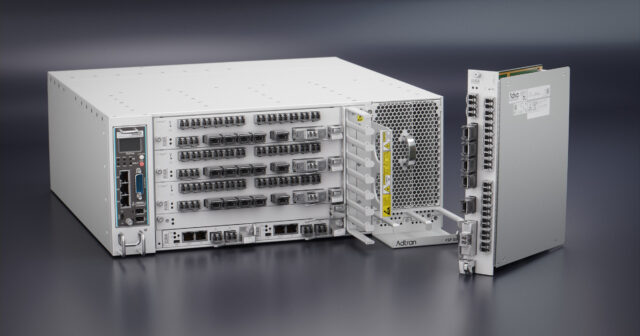
SAP Strengthens Its German Cloud Infrastructure with BSI-Approved Layer 1 Encryption from Adva Network SecuritySAP is securing connectivity between its Walldorf and St. Leon-Rot data centers with BSI-approved, quantum-safe Layer 1 encryption from Adva Network Security, extending its sovereign cloud architecture down to the optical transmission layer for public sector and regulated workloads.
3 minute read
Fast-Tracking SAP Access Governance Automation: Closing SoD Gaps Across S/4HANA and Non-SAP SystemsThe article highlights a critical governance flaw in SAP S/4HANA environments where structural challenges in authorization models lead to potential SoD violations and compliance issues, advocating for continuous monitoring and integrated governance solutions like AccessHub to address cross-system risks and streamline access management.
8 minute read