

1 minute read
Meet the Authors
Key Takeaways
What you need to know
The 2027 end-of-life for SAP IS-U mandates that utility companies transition to SAP S/4HANA Utilities, necessitating urgent planning and budget allocation.
Data migration is the most critical and challenging aspect of the transition; thorough data cleansing and validation must precede technical migration work.
Effective change management, including early communication and comprehensive training, is crucial to ensure user adoption and maximize the return on investment in S/4HANA Utilities.
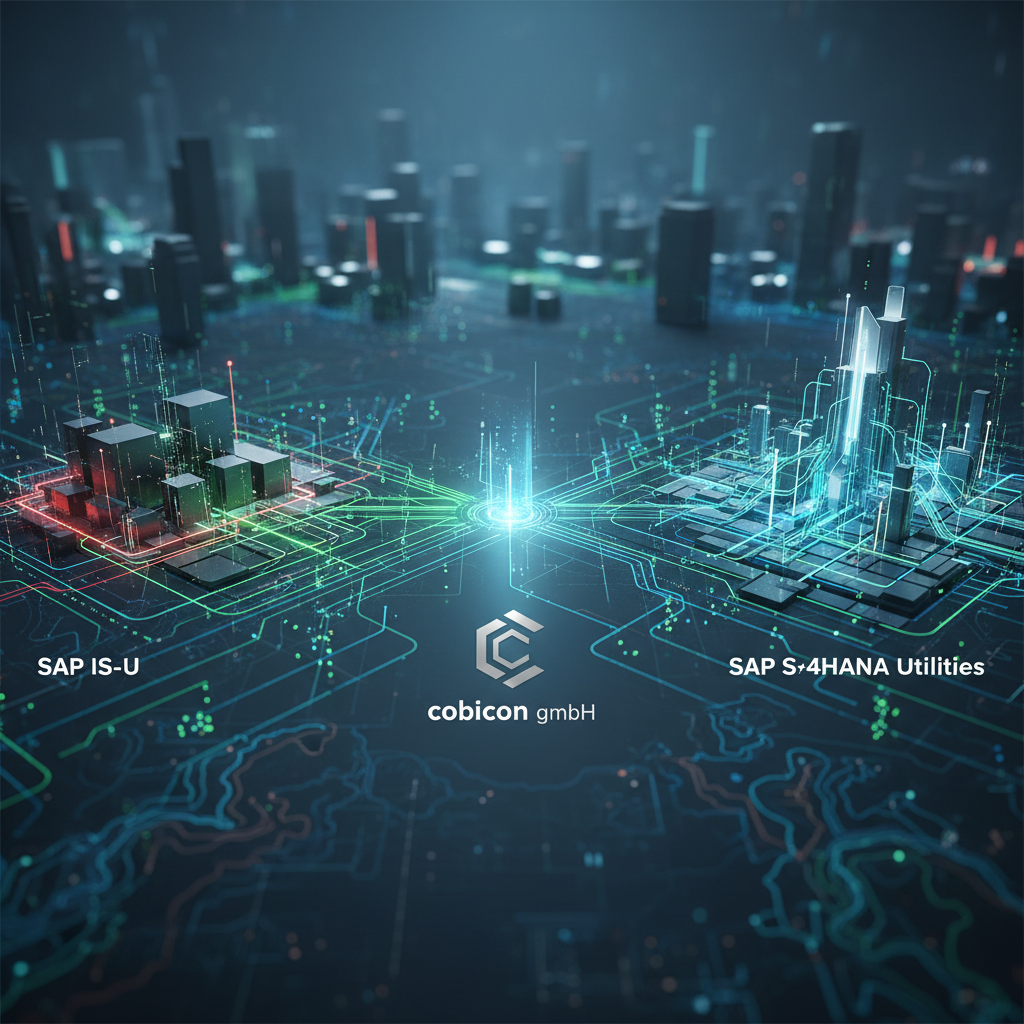
cobicon GmbH, an SAP consulting and development firm based in Mannheim, Germany, now offers specialized consulting focused specifically on migrating utility companies from SAP IS-U to SAP S/4HANA Utilities. The firm started as an SAP BI consultancy before adding Commodity Risk Management and Custom Development on its first anniversary, and it built a non-SAP Analytics division centered on Microsoft Azure starting in February 2024. The new migration offering extends that pattern of adding focused practice areas, this time aimed at utility sector clients facing a fixed technical deadline.
Why Utility Companies Can No Longer Delay the Move to S/4HANA Utilities
Support for SAP IS-U ends in 2027, and cobicon presents that date as when the platform can no longer meet the demands of digital transformation. The firm describes the migration from SAP IS-U to SAP S/4HANA Utilities as a technical necessity driven by the end-of-support timeline and a strategic decision to give utility companies access to the capabilities built into the S/4HANA platform.
The distinction between the two systems goes beyond a version number, cobicon says. Architecture changes, available functions, and the integration of technologies such as machine learning and artificial intelligence separate S/4HANA Utilities from the IS-U environment it replaces. Utility operators weighing the transition are choosing between maintaining a system nearing the end of its supported life and adopting one built around a newer data model and processing engine.
Explore related questions
Ask SAPi
Data migration sits at the center of that transition, and cobicon identifies it as one of the most critical aspects of the move. The complexity of utility data structures, combined with the need to preserve data quality through the transfer, makes this phase harder than a simple lift and shift.
What a Structured Migration Path Looks Like in Practice
cobicon describes a migration sequence that begins before any data moves. A readiness check comes first, intended to confirm whether a client’s SAP landscape is technically prepared for the transition. From there, planning work centers on defining migration goals, selecting which data and processes will move, and setting a schedule and budget for the project.
Data quality work follows as a distinct phase. cobicon points to cleaning and consolidating data before migration, using address validation and duplicate-checking tools, and running data quality audits to reduce the risk that flawed records carry into the new system. Readiness checks and phased data quality workstreams are common structuring elements across S/4HANA transition projects generally, not unique to any single consultancy.
On the technical side, cobicon cites adapting to the new S/4HANA data model, integrating with other systems, and configuring new functionality as the main challenges. The firm’s stated responses include using migration tools, developing interfaces, and drawing on the SAP Business Technology Platform for integration work, a platform used broadly across the SAP ecosystem.
Change management runs alongside the technical work rather than after it. Cobicon lists early communication about upcoming changes, training materials, and workshops as ways to build acceptance among the employees who will use the new system daily. The firm also describes go-live as a phase requiring detailed planning and coordination, followed by an aftercare period that includes standing up a support team, monitoring system performance, and refining the system based on user feedback and system data.
What This Means for SAPinsiders
A 2027 deadline compresses utility ERP planning windows. Utility companies still running SAP IS-U have a defined horizon for deciding on a migration path, which pushes budget approval and partner selection conversations into current planning cycles rather than future ones. Delaying the decision narrows the time available for the data cleansing and testing phases that typically precede a stable cutover.
Data cleansing requires a dedicated project phase early in the timeline. Teams planning an IS-U migration should expect dedicated time for deduplication, address validation, and quality audits before technical work begins in earnest. Skipping or compressing this phase raises the odds that legacy record problems surface as billing or customer service issues after go-live.
Training gaps show up as adoption problems after cutover. Utility staff who receive only minimal preparation before a platform change are more likely to underuse new S/4HANA Utilities functionality, which weakens the return on the migration investment. Building training and communication into the project timeline, rather than treating them as post-go-live tasks, helps preserve the operational gains the new platform is meant to deliver.
More Resources
See All Related Content

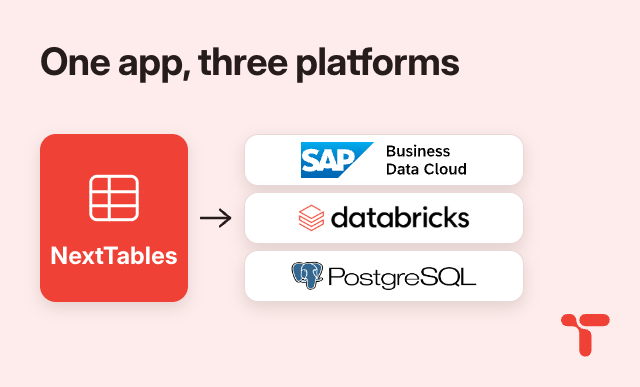
One data maintenance app, three enterprise data platformsBuild data maintenance apps, guided for business teams, trusted by IT. Business teams update their own data, with validation at entry, role-based authorization down to the row, and an audit log of every change stored inside your data platform.
1 minute read