Access control is a fundamental aspect of Governance, Risk Management, and Compliance (GRC) that protects sensitive organizational data and systems from unauthorized access. As the digital landscape grows increasingly complex, mastering GRC access control has become more critical than ever. Organizations rely on robust access control strategies to mitigate risks, ensure compliance with regulations, and uphold organizational security policies.
Within the SAP GRC framework, access control refers to the management and restriction of access to organizational resources based on predefined rules and roles. It involves four key components: Authentication, Authorization, Accountability, and Auditability. Authentication ensures that only verified users gain access to the system, while authorization defines and enforces user roles and permissions. Accountability tracks user actions for transparency, and auditability maintains detailed logs to support monitoring and compliance efforts. Together, these elements form the backbone of secure and compliant operations.
To implement effective access control, organizations often choose between two main strategies: Role-Based Access Control (RBAC) and Attribute-Based Access Control (ABAC).
- RBAC assigns access permissions based on user roles, making it easier to manage and aligning well with organizational hierarchies. However, it may lack flexibility for dynamic environments.
- ABAC, on the other hand, bases access decisions on attributes such as user identity, resource type, and environmental conditions. This approach provides granular control but can be more complex to manage.
Combining these strategies or adopting a hybrid approach can help organizations balance simplicity with flexibility, ensuring tailored access control solutions.
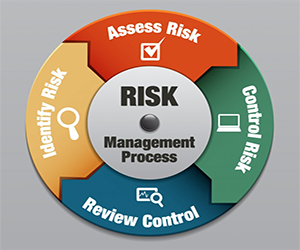
Implementing SAP GRC access control requires a systematic approach. First, organizations must assess their access control requirements, taking into account both operational needs and regulatory obligations. Next, roles and permissions should be clearly defined to establish consistent access controls. These measures are then implemented across all relevant systems and applications. Finally, access rights must be continuously monitored and updated to reflect changes in roles or organizational policies. Case studies of successful implementations Reveal that RBAC often improves operational efficiency, while ABAC excels in meeting compliance requirements for complex environments.
The Role of Automation in GRC Access Control
Automation is transforming GRC access control by simplifying the management of roles and permissions while reducing human error. SAP’s GRC Access Control suite offers tools like the Access Risk Analysis (ARA) and User Access Review (UAR), which automate the identification of potential risks and periodic reviews of user roles. Automation not only ensures compliance with regulations such as GDPR and SOX but also enhances efficiency by freeing up IT resources to focus on strategic initiatives.
Risk-Based Access Control (RiskBAC)
While traditional approaches like RBAC and ABAC have their strengths, organizations are increasingly adopting Risk-Based Access Control (RiskBAC). RiskBAC incorporates real-time risk assessments into access decisions. For example, SAP systems can integrate with external threat intelligence platforms to adjust user access dynamically based on the current threat landscape. This proactive approach ensures a higher level of protection against emerging risks.
Leveraging Artificial Intelligence (AI) and Machine Learning (ML)
AI and ML technologies are gaining traction in GRC access control. Predictive analytics can identify unusual patterns in user behavior, such as unauthorized access attempts or role misuse. SAP GRC can integrate with AI-powered monitoring tools to flag potential breaches or compliance violations before they occur. By continuously learning from historical data, AI models enhance the accuracy and efficiency of risk assessments over time.
Enhancing Segregation of Duties (SoD) Management
One of the core challenges in GRC access control is managing Segregation of Duties (SoD). Violations occur when users have conflicting roles that could lead to fraud or errors. SAP GRC Access Control provides SoD analysis tools that automate conflict detection. Organizations can further strengthen their SoD practices by implementing dynamic workflows that require multi-level approvals for high-risk access requests.
The Importance of Access Certification
Access certification involves periodic reviews of user roles and permissions to ensure they remain appropriate. This process is particularly critical in dynamic environments where employees frequently change roles or departments. SAP GRC Access Control simplifies access certification through automated notifications and role validation processes, enabling organizations to maintain compliance without overwhelming administrators.
Future Trends in GRC Access Control
- Zero Trust Security: A “never trust, always verify” approach is becoming integral to access control, ensuring that every access request is continuously validated based on identity and context.
- Cloud Integration: As organizations migrate to cloud environments, SAP GRC solutions are evolving to offer seamless integration with cloud platforms, ensuring consistent access control across hybrid environments.
- Blockchain for Audit Trails: Blockchain technology is emerging as a secure and tamper-proof method for maintaining audit trails, providing unparalleled transparency and accountability.
By adopting these advanced strategies and technologies, organizations can ensure that their SAP GRC access control solutions are not only resilient, but also adaptive to the rapidly evolving digital and regulatory landscape.
Learn more with Markgraf Consulting.