
2 minute read
Key Takeaways
What you need to know
The traditional view of SAP integration as a defensive and costly necessity has evolved; organizations now see it as a strategic asset that drives value and business agility in today's AI-driven landscape.
Modern SAP initiatives emphasize treating integration as a value stream, enabling autonomous workflows and faster decision-making, ultimately impacting finance and supply chain processes for improved operational efficiency.
SAP leaders must transition to a capability-based integration approach and utilize platforms like Boomi to ensure Clean Core compliance, streamline upgrades, and align integration metrics with meaningful business outcomes to justify future investments.
SAP integration was traditionally a defensive maneuver and a necessary expense categorized under IT maintenance. It was designed to shuttle data between silos without breaking the core.
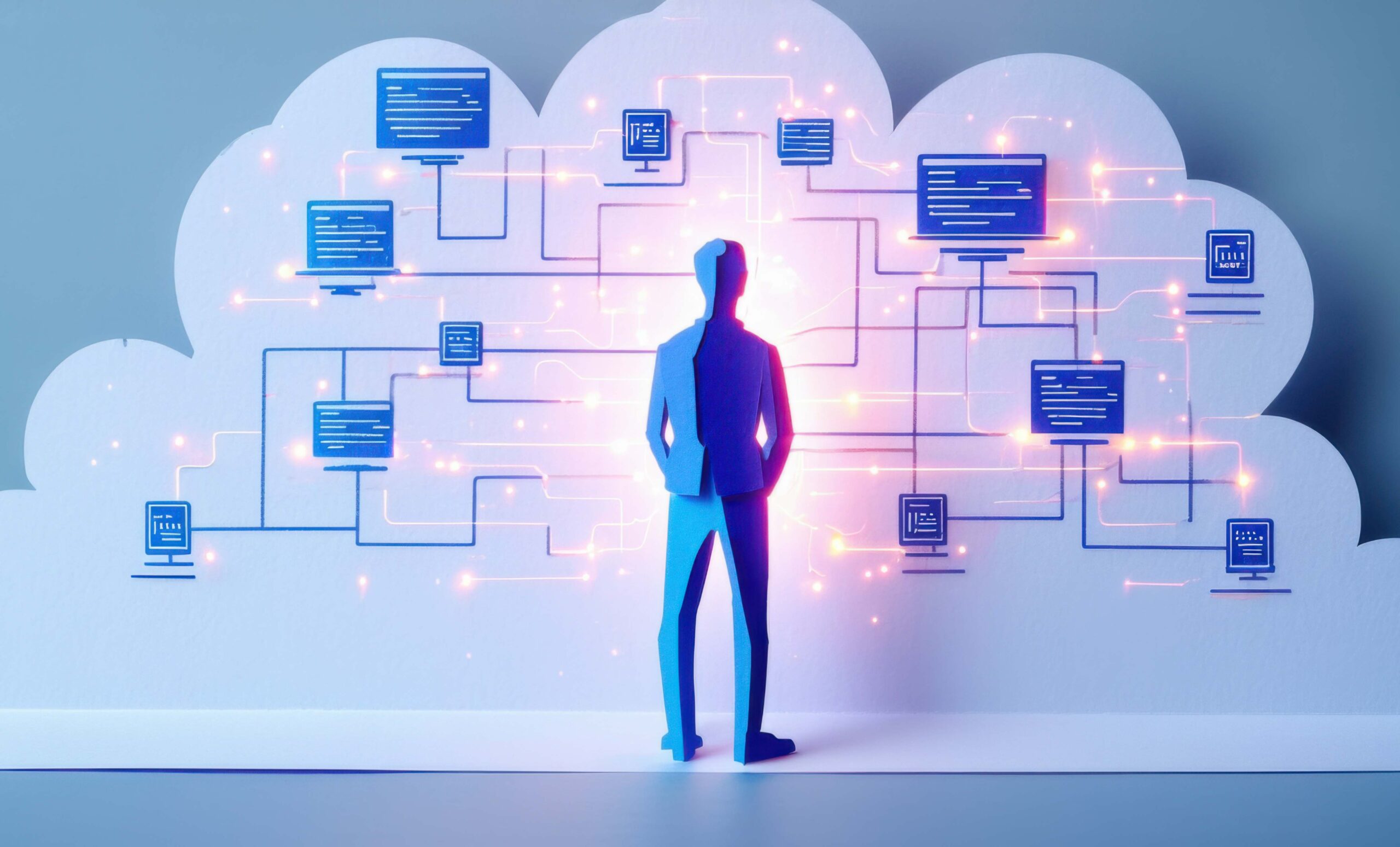
However, the 2026 enterprise landscape has rendered that defensive mindset obsolete. Integration is no longer a backend utility as organizations move toward the Clean Core and embrace highly distributed, AI-driven environments. It is a value stream and a strategic capability that dictates the speed of business outcomes and the agility of the entire SAP ecosystem.
Integration as an Invisible Overhead
Historically, integration work was a thankless task: invisible when it worked, and catastrophic when it failed. SAP environments often became spaghetti architectures of custom Z-programs, point-to-point connections, and fragile middleware.
Explore related questions
Ask SAPi
While these solved immediate needs, they created a compounding technical debt. The business impact was tangible:
- High costs tied to managing proprietary code.
- Difficulty in pivoting when market conditions changed or new regulations emerged.
- A lack of single source of truth across the supply chain and finance.
In this model, integration was an overhead and was rarely associated with innovation.
Integration as the Business Nervous System
Today, modern SAP initiatives, whether a brownfield SAP S/4HANA migration or an SAP BTP-centric innovation project, tell a different story. This is because modern business processes span SAP S/4HANA, Salesforce, specialized logistics platforms, and cloud-native microservices.
Therefore, when integration is treated as a value stream, it moves from supporting the business to shaping it. By moving away from point-to-point logic toward a centralized, intelligent orchestration layer, organizations can achieve:
- Autonomous Workflows: Triggering automated actions across procurement and finance without manual reconciliation.
- Compressed Cycle Times: Reducing the time-to-insight for CFOs by aligning real-time operational data with financial reporting.
- Architectural Freedom: The ability to swap or upgrade edge applications without re-coding the SAP core.
Agility Through Reusability
However, to turn integration into a value stream, SAP leaders need connectivity and reusability. The Boomi Enterprise Platform facilitates this by providing a high-speed, low-code integration layer that acts as a universal translator for the SAP ecosystem. For an SAP professional, the value lies in moving data and AI-orchestration.
Moreover, in 2026, Boomi for SAP has evolved to include AI agents that do the heavy lifting—automatically suggesting integration designs based on best practices, protecting sensitive Personally Identifiable Information (PII) during data transit, and predicting where bottlenecks might occur in a complex Order-to-Cash sequence. This shifts the IT team’s focus to optimizing the flow of value in an integrated landscape.
Measuring What Matters
Transitioning to a value-stream mindset requires a new set of KPIs. Traditional technical metrics like latency and uptime are still the baseline, but they no longer define success. Ultimately, to justify integration investment to the C-suite, SAP leaders must answer the following questions:
- Did the integration reduce the days required for month-end closing?
- Is the data flowing from the supply chain into SAP Integrated Business Planning (IBP) fresh enough to reduce inventory carrying costs?
- How many man-hours were reclaimed from manual data entry and redirected to high-value architectural work?
What This Means for SAPinsiders
It is time to shift from project-based to capability-based integration. Historically, SAP teams built integrations to solve a specific, immediate problem, which created a fragmented landscape of one-off connections that were difficult to maintain. Today, SAPinsiders must treat integration as a reusable asset library and develop standardized integration patterns that can be plugged in to future initiatives. This will help reduce time-to-value for future projects because the foundational connectivity already exists.
Prioritize Clean Core compliance via iPaaS like Boomi. The technical debt trapped in custom Z-programs and legacy middleware can be a major hurdle in SAP migrations. Using a modern iPaaS like Boomi allows organizations to keep the SAP core clean by moving complex logic and third-party orchestrations into a dedicated integration layer. This results in smoother SAP upgrades, lower maintenance costs, and an agile environment that can pivot without a massive re-coding effort.
Align integration KPIs with business outcomes. To prove integration is a value stream, SAPinsiders must identify the business processes that integration directly impacts. For example, measure how automated Lead-to-Cash workflows reduce the Days Sales Outstanding (DSO) or how real-time data flow from the warehouse improves Order Fulfillment accuracy. By doing this exercise, organizations can transform IT from a cost center into a growth enabler, making it significantly easier to justify budget for future digital transformation and AI-driven automation projects.
More Resources
See All Related Content
Lumen Puts Network Infrastructure at the Center of Enterprise AI ReadinessLumen is positioning its global fiber network and edge cloud infrastructure as critical prerequisites for enterprises aiming to leverage AI effectively. This strategy emphasizes connectivity's central role in linking data, people, and applications at an enterprise scale.
SAP EPPM-Plus Turns Capital Governance Into an Operating ProcessData center programs force projects to compete for the same capital, engineering talent, and delivery capacity. Platinum DB Consulting's SAP EPPM-Plus turns capital governance into a repeatable process that links project intake, stage-gate approvals, FP&A planning, and SAP Project System execution.
3 minute read


From an empty tenant to your first table, step by stepThis article outlines the step-by-step process for administrators and key users to set up NextTables on a freshly provisioned tenant, detailing essential actions from accepting the administrator invitation to creating the first table, including optional steps and relevant guides for each phase.
8 minute read