

7 minute read

Meet the Authors
Key Takeaways
What you need to know
Organizations undergoing large SAP transformations must shift focus from one-time migrations to continuous data lifecycle management to ensure ongoing operational efficiency and compliance.
Implementing solutions like Kyano Manage allows businesses to establish structured, automated processes for data clean-up, archiving, and retirement.
Data lifecycle transparency is essential for organizations as they navigate increasing regulatory demands.
Large SAP transformations often solve the migration challenge but leave organizations with a new operational reality: maintaining clean, compliant, and efficient systems once the project ends.
Once transformation is complete, there are many important clean-up and ongoing management tasks that require sustained attention. Without a structured approach, these activities are often handled on an ad hoc basis, which introduces unnecessary cost, operational risk, and inconsistency over time.
Kyano Manage, SNP’s solution set for data lifecycle management in SAP and hybrid landscapes, is designed to address this post-migration phase by bringing structure, planning, and automation to these ongoing operations.
Explore related questions
Ask SAPi
Moving Beyond Ad Hoc Data Management
Many SAP programs concentrate resources on migrations, consolidations, or SAP S/4HANA transitions, but invest less in what comes next. As a result, post-transformation environments often rely on reactive, case-by-case approaches to data management.
- Ad hoc processes are, in effect, a failure to plan. Over time, this leads to:
- Increasing data volumes and infrastructure costs
- Inconsistent archiving and retention practices
- Greater compliance and audit risk
- Continued reliance on manual effort and custom scripts.
Kyano Manage addresses this gap by introducing guided processes and automation across key data lifecycle activities. Rather than treating data clean-up as a periodic project, organizations can establish a repeatable, policy-driven operational model.
Establishing Continuous Data Lifecycle Operations
A key shift is moving from one-time transformation thinking to continuous data lifecycle management as an operational discipline.
Kyano Manage brings together capabilities for testing, archiving, decommissioning, and application retirement into a coordinated solution set. These processes are structured through predefined, guided workflows that help ensure consistency and alignment with internal policies.
This approach enables organizations to:
- Plan and execute lifecycle activities proactively rather than reactively
- Standardize how data is handled across systems and teams
- Reduce the variability and risk associated with manual intervention.
The result is a more predictable and controlled SAP environment, where data optimization becomes part of ongoing operations. For SAP operations teams, this approach reframes data management as a repeatable capability rather than background maintenance work performed intermittently.
Foundation for Efficiency and Risk Reduction
Routine data tasks such as test data preparation, archiving runs, and system retirement can consume significant time and resources when managed manually.
Kyano Manage applies automation to these recurring activities, reducing reliance on fragmented tools, scripts, and manual coordination. Guided procedures help ensure that each step—from preparation to validation—is executed consistently.
This not only improves efficiency but also reduces the risk of errors that can arise from unstructured or one-off processes. In complex SAP landscapes, where dependencies are high and data volumes are significant, this level of consistency is critical.
Governance and Traceability by Design
As organizations modernize and rationalize their SAP landscapes, governance and auditability become increasingly important.
Kyano Manage provides visibility into data lifecycle activities, tracking what data is moved, when it is processed, and how it is handled. This creates a clear audit trail that supports both internal governance and external regulatory requirements.
For organizations decommissioning legacy systems or managing long-term data retention, this traceability helps demonstrate control and compliance with data retention policies and regulatory expectations—reducing risk in environments where data obligations continue long after systems are retired.
What This Means for SAPinsiders
Post-transformation operations are emerging as a distinct discipline in SAP landscapes. Tools like Kyano Manage reflect a growing recognition that data lifecycle management requires structured platforms and governance after migrations and consolidations are completed.
Automation is becoming central to managing complex SAP data estates. By converting testing, archiving, and decommissioning tasks into guided processes, solutions in this category aim to reduce reliance on manual scripts and project-specific procedures that often introduce operational risk.
Data lifecycle transparency is gaining importance as compliance and system rationalization initiatives expand. Platforms that track how data moves, how systems are retired, and how retention policies are applied help organizations demonstrate control over data operations in increasingly regulated environments.
More Resources
See All Related Content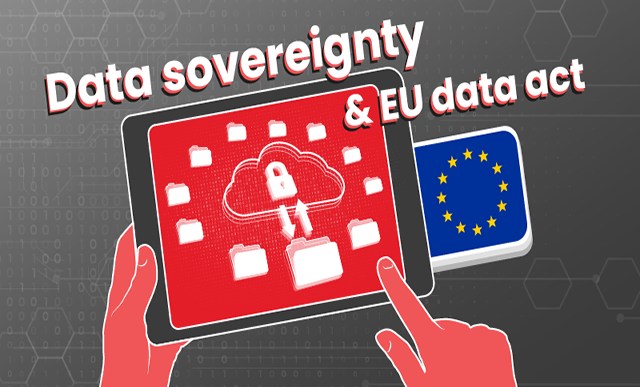
Data Sovereignty in the Cloud: How to Maintain Control Over Your DataDigital transformation driven by cloud technologies is reshaping data management in companies, prompting a critical focus on data sovereignty, which ensures organizations maintain control over their data regardless of its location, while navigating the risks of vendor lock-in and the need for compliance with regulations like the EU Data Act.
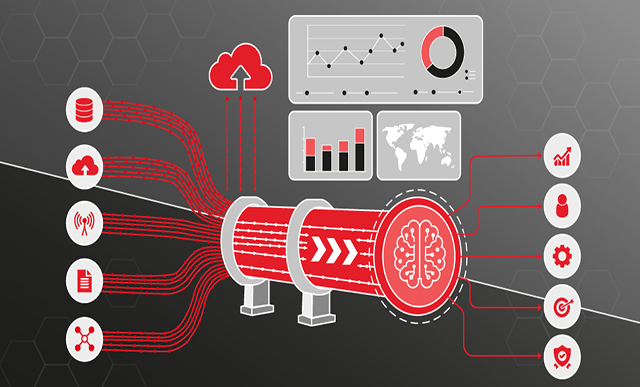
SAP Data in Microsoft Fabric: Medallion Pipeline for Real-Time ReportingThe article discusses how a Medallion Pipeline in Microsoft Fabric can eliminate outdated reporting by enabling real-time data flow and transformation from SAP to Power BI, addressing issues of manual data export and data freshness to facilitate timely and actionable business insights.
9 minute read

Basware to Acquire Trustpair, Extending AP Controls Into Payment Fraud PreventionBasware has signed a binding agreement to acquire Trustpair, a deal that would extend its invoice lifecycle platform into supplier bank-account verification and payment fraud prevention for SAP finance teams.
3 minute read

CSCorp Anchors Its SAP Portfolio With a Purpose-Built HCM Payroll Migration ToolCSCorp, a 25-year SAP partner, introduces a proprietary tool to streamline SAP HCM Payroll to SuccessFactors Employee Central Payroll migrations. This accelerator is part of their broader SAP consulting practice, which includes S/4HANA migrations and comprehensive AMS.
3 minute read