

1 minute read
Meet the Authors
Key Takeaways
-
HPE has been named a Leader in the 2026 IDC MarketScape for SAP HANA–certified servers.
-
SAP HANA workloads require high-performance, scalable infrastructure to support real-time analytics and AI.
-
Hybrid models like HPE GreenLake are helping organizations balance flexibility, cost, and control in SAP environments
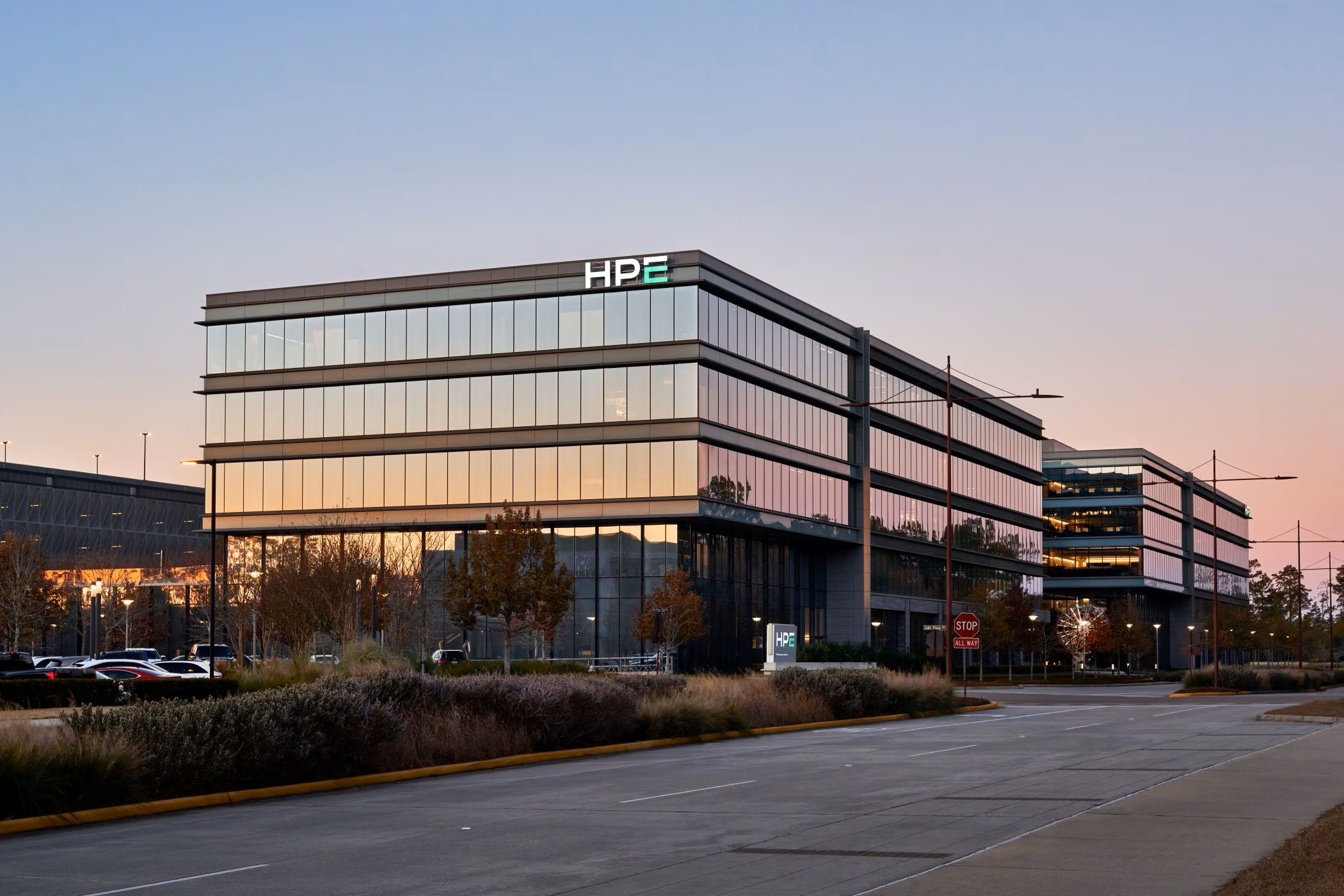
As organizations modernize their SAP landscapes to support growing data volumes, AI workloads, and evolving regulatory requirements, infrastructure decisions continue to prove central to enterprise IT strategy. A longtime provider of SAP certified server infrastructure, Hewlett Packard Enterprise (HPE) offers a portfolio of platforms and services designed to support largescale enterprise SAP environments.
Recently, HPE was named a Leader in the 2026 IDC MarketScape report for worldwide SAP HANA–certified servers. The recognition reflects a broader market trend where infrastructure providers must now align with the shifting, often hybrid, requirements of modern SAP environments
Addressing the Infrastructure Dilemma
Enterprise infrastructure decisions have become increasingly complex as SAP expands its cloud and AI strategy. According to the IDC report, customers consistently rank security and cost efficiency as the top reasons for choosing dedicated environments over public cloud.
Explore related questions
Infrastructure providers like HPE are bridging this gap by supporting multiple deployment models. This dual approach allows vendors to serve both progressive cloud adopters and those with more conservative IT strategies by offering SAP environments in private data centers, co-location facilities, or through managed private cloud platforms like HPE’s GreenLake that offers subscription pricing instead of large upfront hardware investments.
The Technical Demands of In-Memory Processing
These deployment options also increase the need for infrastructure capable of handling high performance data processing, largescale memory requirements, and emerging AI workloads associated with SAP HANA environments.
This is because SAP HANA places unusually high demands on infrastructure as it operates as an in-memory database. While this architecture enables real-time analytics and transactional processing on the same platform, it also requires servers capable of supporting massive memory capacity, high processor throughput, fast data movement across the system, and advanced reliability, availability, and serviceability features to facilitate constant uptime.
To meet these thresholds, HPE’s scale-up platforms support up to 32 TB of shared memory in a single system. A primary example is the HPE Scale-up Server 3200, which was the first SAP-certified server to support up to 16 sockets in a single system, providing the compute density required for the large mission-critical databases.
Beyond the ability to scale compute, memory, and storage efficiently, SAP infrastructure strategies also require strong services, ecosystem support, and long-term platform flexibility to sustain evolving workloads.
Hybrid Cloud and Services
The growing interest in flexible consumption models for enterprise IT is also a factor shaping infrastructure decisions. Many organizations want the ability to scale infrastructure capacity without committing to traditional capital expenditure models.
HPE’s GreenLake platform supports this approach by providing a cloudlike consumption model for on-premises infrastructure. Organizations using the platform can expand or reduce infrastructure capacity through metered billing and elastic scaling capabilities while maintaining control over their SAP environments.
However, the IDC report emphasizes that hardware performance alone is no longer enough; implementation and migration services are now critical differentiators. Because of the complexity of SAP HANA, specialized expertise is required to reduce operational risk. HPE’s consulting offerings, such as the HPE Rapid Deployment for SAP HANA, are designed to simplify these implementation processes and accelerate deployment timelines.
For mission‑critical SAP environments, reliability and security are essential; IDC classifies the HPE Scale‑up Server 3200 as an Availability Level 4 (AL4) system for fault‑tolerant operations, while HPE’s chip‑to‑cloud security and iLO management technology help protect infrastructure from silicon to deployment.
What This Means for SAPinsiders
Analyst validation strengthens infrastructure vendor credibility. Third party analyst recognition plays an important role in enterprise infrastructure decisions. IDC MarketScape positioning can influence vendor shortlists for organizations evaluating infrastructure platforms for SAP HANA environments.
Hybrid infrastructure remains central to SAP transformation. Many enterprises continue to pursue hybrid deployment strategies as they balance cloud innovation with security, performance, and cost considerations. Infrastructure platforms that support flexible deployment models will remain critical during SAP modernization initiatives.
Infrastructure readiness is increasingly tied to AI adoption. As SAP expands AI-driven capabilities across its portfolio, infrastructure platforms must support increasingly data-intensive workloads. Organizations selecting SAP infrastructure are beginning to evaluate platforms based on their ability to support future analytics and AI requirements.
More Resources
See All Related Content
SAP S/4HANA General Journal Verification process in Microsoft Teams, powered by Looply.Looply streamlines General Journal Verification tasks within Microsoft Teams, allowing managers to efficiently review, approve, or reject requests in real time and automatically release parked journals, enhancing workflow without the need to switch systems.
Real-Time SAP Insight, Zero Downtime: Coop Group’s Journey to SAP Operational ExcellenceWhat started as a search for a more reliable SAP Basis tool became a transformation of Coopʼs entire SAP operations strategy. Avantra delivered observability, compliance, and innovation — without the heavy overhead.
1 minute read
How Saviynt Supports SAP S/4HANA Identity Modernization Ahead of 2027As SAP Identity Management approaches end-of-life in 2027, SAP S/4HANA modernization programs must reassess identity governance, cross-system segregation-of-duties risk, and third-party access control across distributed cloud environments.
3 minute read

Syntegon Streamlines IT Infrastructure by Migrating to the SAP CloudGerman packaging-machine manufacturer Syntegon has successfully completed a five-month migration by moving its ERP systems to the SAP Cloud via SAP Cloud ERP Private (RISE with SAP), achieving standardization across its operations and significantly improving its IT infrastructure.
3 minute read