3 minute read

Meet the Authors
Key Takeaways
-
The era of one-time ERP project launches is over; organizations must adopt a continuous orchestration approach to keep up with rapid technological changes, ensuring ongoing adaptability and relevance in the market.
-
SAP is restructuring its service model to offer modular support plans—Foundational, Advanced, and Max Success Plans—that cater to specific organizational needs, empowering businesses to effectively manage their unique ERP landscapes and maximize value.
-
Human adaptability is crucial for successful transformation; by standardizing updates and incorporating AI responsibly, SAP aims to alleviate the cognitive load on IT teams, allowing them to focus on strategic optimization rather than reactive problem-solving.
The era of big-bang ERP go-lives is officially behind us after decades of enterprise software transformations being treated like massive construction projects. Today, that static approach is viewed as a fast track to technical obsolescence. In a recent blog, Thomas Pfiester, head of Customer Engagement and Adoption and a Member of the Extended Board of SAP SE, noted that traditional milestones no longer define business transformation. Instead, it is shaped by continuous progress and the ability to translate boardroom innovation mandates into daily operational results rapidly.
The Mandate for Continuous Orchestration
Why the sudden emphasis on continuous orchestration? Pfiester notes that the answer lies in the unforgiving pace of modern technology cycles. Artificial intelligence, advanced analytics, and cloud innovations are not static features that organizations implement once; they are dynamic capabilities requiring ongoing tuning.
For organizations that use SAP, continuous orchestration means shifting from a project mindset to a product mindset. Pfiester explains that this approach is about managing an ERP landscape as a living, breathing ecosystem. When organizations treat transformation as a one-time event, they risk accumulating technical debt and missing out on the iterative updates that drive real business value.
Explore related questions
Additionally, Pfiester’s commentary underscores that keeping pace with rapid market change requires a coordinated, ongoing execution strategy that aligns tightly with measurable business outcomes.
Restructuring the Support Engine
According to Pfiester, SAP is fundamentally restructuring how it engages with customers to facilitate this shift. During its recent Success Unleashed webinar, the company introduced a renewed Services and Support portfolio designed to offer predictability in an inherently unpredictable market.
The new framework ditches the legacy one-size-fits-all approach in favor of three scalable tiers: Foundational, Advanced, and Max Success Plans. What makes this newsworthy for SAP professionals is the modularity.
Pfiester illustrates this with an example: a company might lean on the Foundational plan—included with cloud solutions for basic lifecycle management—for its core ERP, while simultaneously deploying the Max Success Plan to scale SAP Business AI in a highly complex subsidiary aggressively.
Dominique Tessaro, CIO of Vinci Energies, captures the operational appeal of this model, noting that he can steer the SAP engagement like a car in the direction that serves his company’s specific needs. This level of control allows IT leaders to allocate resources precisely where strategic value is highest.
The Human Element of Transformation
Behind the tiered plans and technical jargon, the core narrative is about human adaptability. Pfiester concludes that technology alone does not transform a business; people do. The push toward continuous orchestration is ultimately about reducing the cognitive load on internal IT teams.
By standardizing the adoption of continuous updates and responsibly integrating AI, SAP is aiming to free customer Centers of Excellence (CoEs) from constant firefighting, enabling them to focus on proactive process optimization.
What This Means for SAPinsiders
SAP’s renewed portfolio marks the end of the milestone mindset. SAP is officially pivoting its service model to support continuous transformation rather than episodic IT projects. The renewed support portfolio is built to deliver modular, ongoing guidance across its Foundational, Advanced, and Max tiers to meet organizations exactly where they are.
AI requires a living landscape to succeed. Organizations cannot implement AI once and forget it. As AI becomes embedded in core business processes, an ERP environment must be agile enough to absorb continuous updates. Therefore, without a continuous orchestration strategy, an organization will struggle to adopt SAP Business AI securely, leaving critical competitive advantages on the table.
Organizations must audit their support consumption. It is time for SAPinsiders to evaluate how their organization consumes SAP support. SAPinsiders should not simply renew legacy contracts on autopilot; instead, they should assess the current landscape solution by solution. They should determine which areas of their business require high-touch, strategic engagement and which can operate efficiently on foundational support. This will help them strategically allocate their organization’s resources to align with the specific go-forward business goals.
More Resources
See All Related Content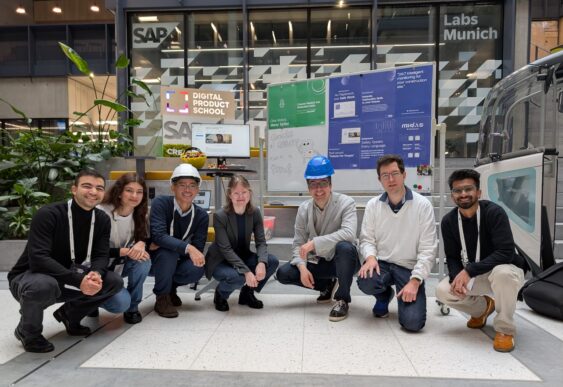
SAP, UnternehmerTUM Bringing Embodied AI to Shop FloorSAP's collaboration with UnternehmerTUM on the SafetyGuard prototype exemplifies the integration of embodied AI in operational processes to enhance workplace safety, streamline inspection workflows, and foster co-innovation for rapid prototyping, signaling a shift towards AI-native, robot-agnostic platforms within SAP's digital ecosystem.

Kito Crosby Drives Best On-Time Delivery in a Decade with SAP Cloud ERP Private TransformationKito Crosby implemented SAP Cloud ERP Private to unify fragmented systems and standardize global operations. The transformation delivered its best on-time delivery performance in over a decade, alongside improved inventory accuracy and warehouse throughput.
3 minute read

What CCH Tagetik Can Do for Financial Planning in SAP EnvironmentsFinancial planning is becoming a system design issue in SAP environments. This article examines how CCH Tagetik shifts planning onto SAP data structures, connecting budgeting, operations, and financial outcomes within a unified architecture.
3 minute read