2 minute read
Meet the Authors
Key Takeaways
-
The shift towards the Autonomous Enterprise represents a fundamental change in operational maturity, moving beyond simple digitization to AI-driven decision-making with minimal human intervention.
-
Organizations that transition to self-optimizing systems integrated with clean-core ERP architectures will enhance resilience and profitability while mitigating operational risks associated with manual processes.
-
Data governance and security are critical prerequisites for implementing AI-driven capabilities, ensuring that all actions adhere to ERP authorization and compliance requirements.
For SAPinsiders, staying ahead of the curve increasingly means looking beyond standard digitization toward the next phase of operational maturity. In a recent blog, Sergio Maccotta, senior vice-president and GM of SAP Middle East and Africa – South said that the era of simple digitization is giving way to what SAP describes as the Autonomous Enterprise, “a business capable of sensing change, making decisions, and acting with minimal human intervention.”
Here is a breakdown of Maccotta’s view on how this shift is unfolding and what it implies for enterprise architecture and operating models.
Beyond Automation: What is an Autonomous Enterprise?
While traditional automation focuses on individual tasks, an autonomous enterprise integrates ERP, embedded business AI, and clean, governed data at its core. Maccotta characterizes the shift as one where a significant share of operational activity is expected to move toward AI-assisted or system-driven execution over time.
Explore related questions
This model relies on AI embedded directly within ERP processes, allowing systems to interpret business context and support system-driven execution. “Autonomous operations are already being deployed across finance, supply chain, human resources, and in industries such as energy, retail, and manufacturing. In 2026, they will separate the most resilient and profitable businesses from the rest.”
Maccotta notes that these self-optimizing systems learn and adapt in real-time, provided they are matched to a clean-core ERP architecture to ensure simplified, cloud-based operations that drive profitability and reduce risk.
Setting Expectations for 2026 and the Path Ahead
For organizations across EMEA, 2026 is cited in the blog as a critical tipping point. The move toward autonomy is not just a trend but a necessity for resilience. Maccotta highlights that organizations still dependent on manual processes and disconnected spreadsheets are exposed to concrete operational risks, including slower reaction times, shrinking margins, and higher operating costs.
He links this trajectory to regional dynamics, including national AI strategies and sovereign cloud initiatives in the Middle East, alongside Africa’s emergence as a fast-growing digital economy.
The Technical Roadmap: Clean Core and Business AI
To support this direction, Maccotta pointed to several SAP platforms positioned as architectural foundations:
- SAP S/4HANA Cloud with RISE with SAP: Positioned as the core transactional foundation, this combination provides a standardized, cloud-based ERP environment designed to remain upgrade-stable while supporting embedded AI capabilities.
- Joule: SAP’s generative AI copilot can operate across SAP applications, with multilingual support and a growing catalogue of embedded AI scenarios tailored to industry-specific processes.
- SAP Business Technology Platform (BTP): The platform underpins integration, extension, and data management, allowing customers to add new capabilities and connect data sources without modifying the ERP core.
What This Means for SAPinsiders
SAP is positioning AI as a controlled extension of ERP, not a replacement for it. Teams should read Maccotta’s message as guidance on how SAP intends AI to be consumed inside core business processes, rather than as a promise of hands-off automation.
This places clean-core discipline at the center of any roadmap toward more self-managing operations. SAPinsiders should ensure that extensions, integrations, and custom logic are managed through supported platforms such as SAP BTP, so that AI-driven capabilities remain compatible with ongoing upgrades and platform changes.
Data governance and security emerge as non-negotiable pre-requisites. The model described assumes that AI-driven actions inherit ERP authorization, data lineage, and compliance controls, making governance a foundational requirement rather than a follow-on activity.
More Resources
See All Related Content

How UiPath’s CIO Reframed SAP Transformation: Five Lessons From ‘Customer Zero’UiPath ran its SAP S/4HANA migration as a Customer Zero initiative, embedding automation directly into execution rather than layering it on after go-live. The experience reshaped clean-core discipline, operating models, and readiness for agentic workflows under live finance conditions.
3 minute read
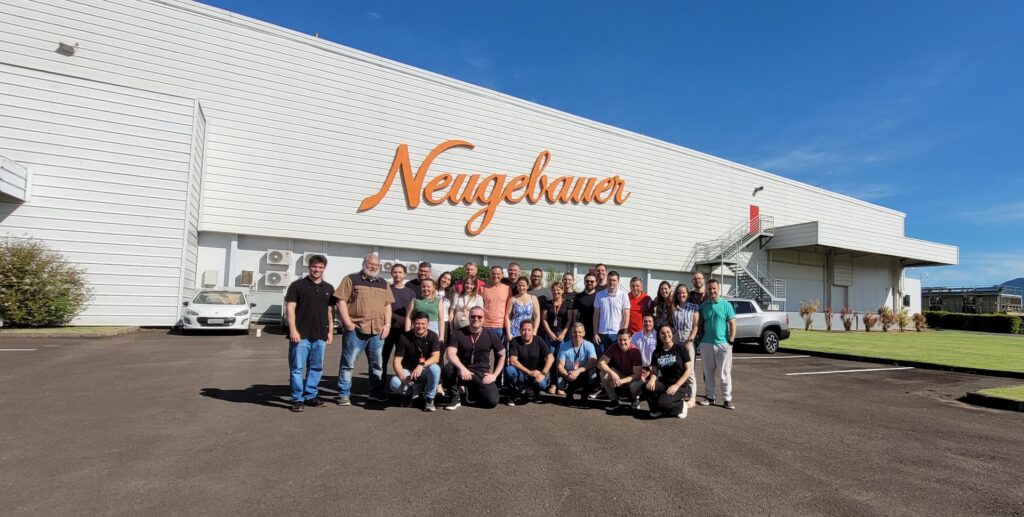
Neugebauer Completes SAP S/4HANA Migration After Decade on Legacy PlatformBrazilian confectionery manufacturer Neugebauer successfully migrated to SAP S/4HANA from SAP ECC, enabling real-time analytics and streamlined operations, which reflects an industry trend of seeking modern, cloud-based solutions to handle complex supply chain demands.
3 minute read