

6 minute read
Meet the Authors
Key Takeaways
What you need to know
Germany is moving sovereign AI from a policy goal to public-sector infrastructure by building a shared AI cloud platform with Deutsche Telekom and SAP for federal, state, and municipal administration.
The new Germany Stack platform will deliver AI services for document processing, knowledge management, translation, summarization, and faster approval workflows, including the KIPITZ AI assistant for government employees.
Germany’s sovereign AI strategy now extends beyond data residency to model governance, AI lifecycle control, and workflow integration through sovereign cloud infrastructure and SAP Business AI Platform.
Germany is turning sovereign AI from policy ambition into public-sector infrastructure, awarding Deutsche Telekom and SAP a contract to build a shared AI platform for federal, state, and municipal administration.
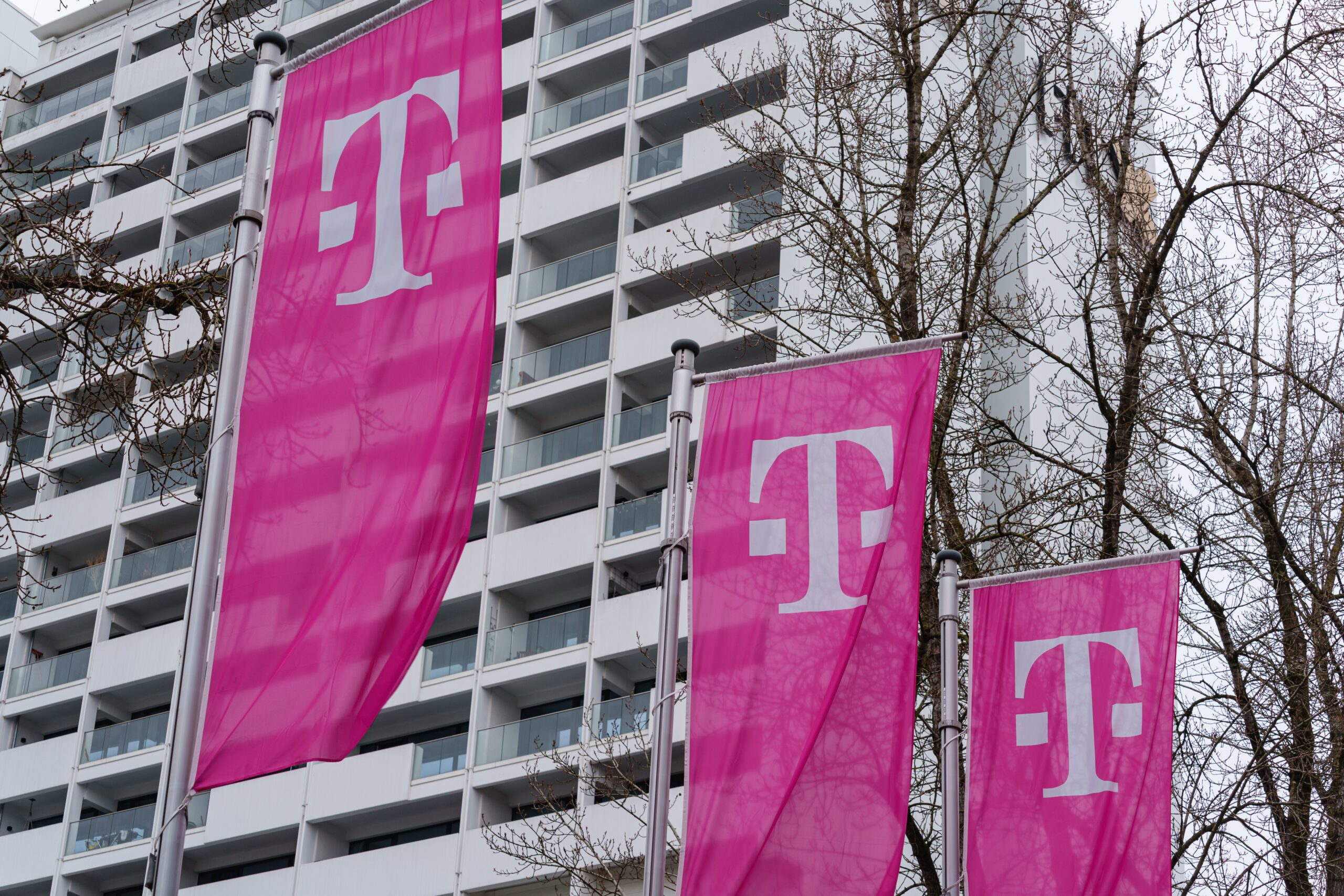
According to Deutsche Telekom’s May 21 announcement, the Federal Ministry for Digitalization and State Modernization awarded Deutsche Telekom, together with SAP as the top-ranked bidder, the tender for “Provision of PaaS services for AI applications on a high-performance, secure, and sovereign cloud platform.” Google and adesso withdrew procurement complaints, clearing the way for the platform to move forward.
The platform is designed as a central hub for public administration, bringing AI services, development environments, and interfaces to existing specialized procedures into a shared environment. Telco Magazine May 27 describes the project as a sovereign AI cloud deal that places telco-grade infrastructure at the center of how German public bodies access AI tools, referring to highly resilient, secure, and scalable cloud and network infrastructure built for critical services.
Explore related questions
Ask SAPi
The first practical applications include document processing, knowledge management, translations, text summarization, and faster planning and approval procedures. One early application is KIPITZ, an AI assistant for public-sector employees that will run on Telekom’s sovereign infrastructure while connecting AI services and development tools with existing administrative systems.
Germany Stack Moves from Framework to Platform
The project is also a key building block of the “Germany Stack,” a shared digital infrastructure strategy for public authorities. The goal is to move federal, state, and municipal administrations toward common technical standards and platforms rather than separate standalone systems.
Karsten Wildberger, Germany’s Federal Minister for Digitalization and State Modernization, framed the platform as the “backbone of a sovereign, digital, and AI-enabled public administration in Germany.” He said high-performance digitalization for the federal government, states, and municipalities will run on infrastructure Germany controls itself, with security, scalability, and interoperability within Europe as core requirements.
For Deutsche Telekom, the award strengthens its sovereign cloud position in a market increasingly shaped by national digital policy. Tim Höttges, CEO of Deutsche Telekom AG, said Europe must lead in digital sovereignty to remain relevant and argued that Telekom and SAP are helping Germany and Europe “take their digital future into their own hands.”
SAP Positions Business AI Inside Sovereign Public Infrastructure
SAP’s role is to bring business process, data, and AI capabilities into the platform through SAP Business AI Platform. SAP CEO Christian Klein said digital sovereignty and AI “go hand in hand,” adding that SAP will contribute “business processes, data, and trustworthy AI” to accelerate innovation in the public sector with Telekom.
The deal also fits a broader SAP and Deutsche Telekom sovereign AI narrative. A recent SAPinsider analysis of Deutsche Telekom’s SOOFI initiative argues that sovereign AI is no longer only about controlling infrastructure or data residency, but also about controlling capability: where models are trained, operated, governed, and integrated into business processes.
That distinction is key for the Germany Stack. Deutsche Telekom’s SOOFI work focuses on sovereign model development for European languages and industrial use cases, while SAP’s role in the Deutschland Stack centers on SAP BTP, AI Foundation, and business applications that anchor AI inside governed workflows. The new public-sector platform extends that logic into administration. AI services must be interoperable with existing systems, but also bound to authorizations, approvals, audit trails, and accountable outcomes.
For SAP customers in regulated sectors, the lesson is broader than public-sector modernization. Sovereign AI procurement will increasingly test the full AI lifecycle, including infrastructure, model residency, data context, operational controls, and how AI-generated outputs flow back into controlled SAP processes. Hosting is only the starting point.
What This Means for SAPinsiders
Germany’s sovereign AI strategy is becoming operational. The Telekom-SAP platform moves the discussion from cloud residency to shared AI services that can be used across public administration. For SAP customers in regulated industries, this shows sovereign AI requirements will increasingly be embedded into platform architecture.
Model governance is part of the sovereignty conversation. The related SOOFI analysis points to a broader shift from data residency alone toward model residency, model operation, and jurisdictional control over the AI lifecycle. SAP teams evaluating AI platforms should expect procurement questions to extend beyond where data sits into how models are trained, integrated, monitored, and audited.
SAP’s public-sector AI opportunity depends on process integration. KIPITZ and the Germany Stack show value will come from embedding AI into administrative workflows, not simply deploying standalone assistants. Sovereign AI must connect to governed business objects, approvals, and audit trails if it is going to support trusted decisions at scale.
More Resources
See All Related Content
The same six questions keep coming up in SAP BW migrationsSAP BW migrations involve critical decisions about what to migrate, how to preserve ABAP logic, which platform to choose, and how to prepare for AI. Getting these decisions right early can have a significant impact on migration costs, data quality, business logic, and long-term flexibility, while helping avoid unnecessary complexity and costly surprises later.
How to Approachan SAP BW MigrationHow you approach your SAP BW migration can determine whether you simply relocate legacy complexity or use the opportunity to build something better. From understanding your existing landscape and preserving business logic to choosing between lift-and-shift, brownfield, greenfield, and hybrid the right strategy starts with visibility. A semantic migration approach helps reduce technical debt, preserve the knowledge embedded in your BW system, and create a trusted foundation for analytics and AI.
1 minute read

SAP API Policy: What Customers Need to Know About Integrations and AI AgentsSAP has clarified how its API Policy affects existing integrations, custom ABAP, third-party platforms, and AI agents. Most documented integrations remain intact, while autonomous AI access faces stronger governance requirements and several commercial and operational questions remain unresolved.
5 minute read
Supplier Onboarding Is Only as Fast as the People Who Approve ItSupplier onboarding is a complex cross-functional process that requires collaboration across various departments to ensure proper governance and data accuracy, and leveraging tools like Microsoft Teams can streamline this process, reduce delays, and enhance user experience.
8 minute read