3 minute read
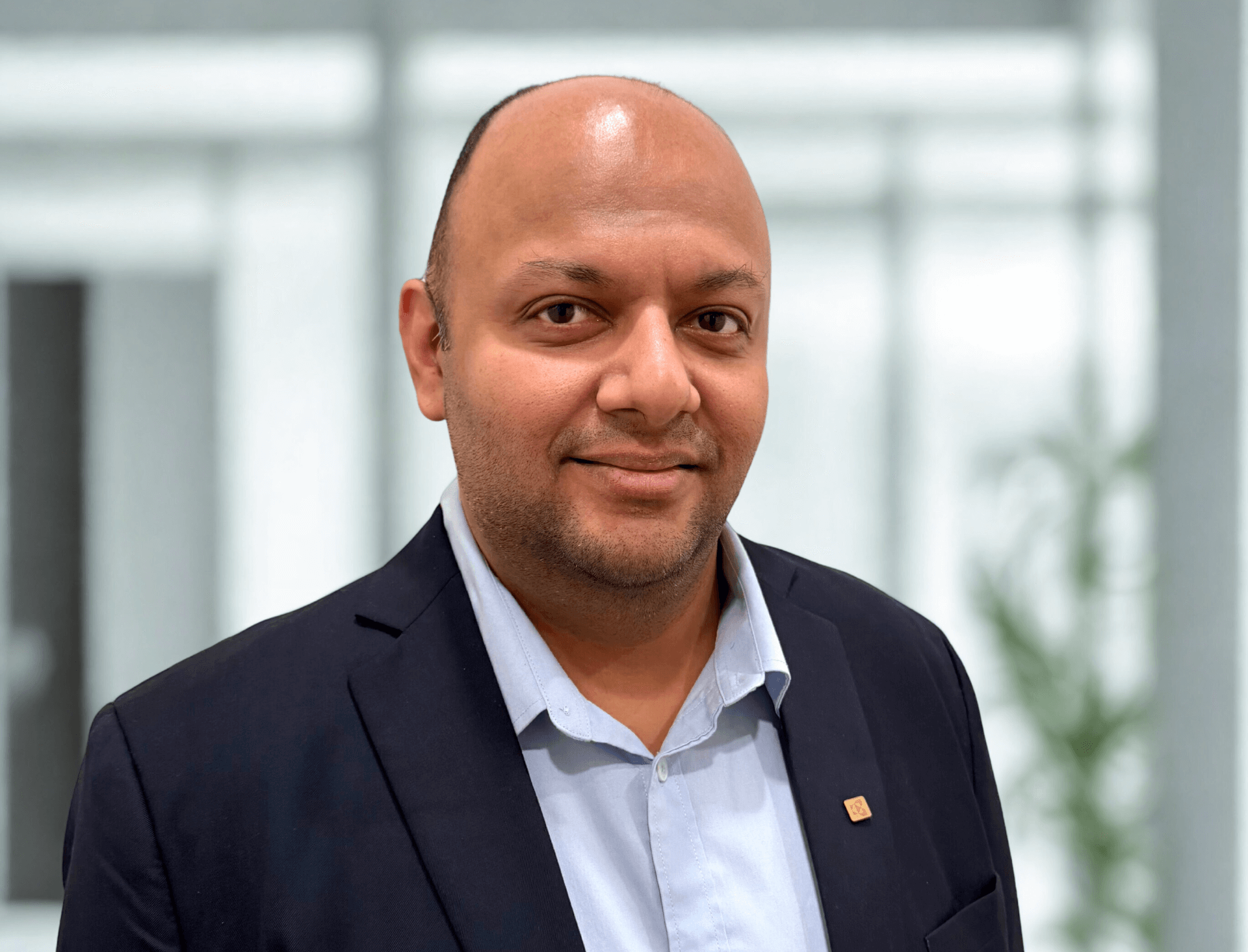
Meet the Authors
Key Takeaways
-
Kyocera International moved to SAP Cloud ERP Private to reduce operational risk and modernize its ERP operating model.
-
A clean core strategy helped enable a smoother transition from on-premises SAP S/4HANA to private cloud.
-
Strong governance and vendor relationships proved critical to long-term platform stability.
When Kyocera International moved its SAP landscape to SAP Cloud ERP Private (formerly RISE with SAP), the decision was not driven by trend adoption or innovation pressure. Instead, the company’s leadership focused on reducing operational risk, strengthening security and compliance, and modernizing how the enterprise platform is governed and supported.
Having already migrated early from SAP ECC to SAP S/4HANA, Kyocera approached the transition from on-premises SAP S/4HANA to SAP Cloud ERP Private from a position of platform maturity. With a relatively clean core and established governance practices, the organization could execute the move with fewer technical barriers than many enterprises encounter.
In this conversation with SAPinsider, Srinivas Balasubramanian, Senior Manager of ERP Platform at Kyocera International Inc., explains why risk avoidance shaped the business case, how the operating model changes in a managed cloud environment, and what lessons other SAP customers should consider as they evaluate their own cloud ERP strategies.
Explore related questions
SAPinsider: Can you describe your role in Kyocera International’s move to SAP Cloud ERP Private?
Srinivas Balasubramanian: I spearheaded the initiative as part of a broader IT strategy to move our technology assets to the cloud. Historically, everything was managed internally, and we maintained a large number of on-premises servers. As leadership evaluated the future of our infrastructure, it became clear that ERP should not be an exception.
We worked closely with SAP leadership, our account executives, and internal stakeholders to evaluate the move. We negotiated the contract and drove the program forward with strong executive support. Today, we are officially an SAP Cloud ERP Private customer.
SAPinsider: What prompted the move to SAP Cloud ERP Private?
Balasubramanian: For us, it came down to risk avoidance and cost considerations. Maintaining an on-premises environment requires significant resources, from staffing to security and compliance oversight. We felt we were not the most well equipped to manage certain risks internally.
Bringing specialists who handle these environments every day gave us greater peace of mind. SAP provides certified security frameworks and compliance reporting, and that level of assurance was important for us.
From a cost perspective, it was also about avoidance. We no longer needed the same level of full-time staff to maintain infrastructure, and the cloud model aligned better with our long-term operating strategy.
SAPinsider: How did your earlier SAP S/4HANA migration influence this transition?
Balasubramanian: Our SAP ECC-to-SAP S/4HANA migration in 2016–2017 was the most challenging project I’ve been part of. At the time, SAP S/4HANA was relatively new, and there were fewer tools and less industry experience available.
Data conversion was one of our biggest hurdles, and in the early years we weren’t fully leveraging capabilities such as SAP CDS views or SAP Fiori. Over time, we matured as an SAP S/4HANA customer and began using those features more effectively.
By the time we moved to SAP Cloud ERP Private, our system was relatively clean core. Since we weren’t heavily burdened by custom code, the migration from on-premises SAP S/4HANA to the cloud was significantly smoother.
SAPinsider: What challenges emerged during the move?
Balasubramanian: The migration was smooth compared to the SAP ECC-to-SAP S/4HANA transition. However, we faced challenges around SAP Global Trade Services (SAP GTS). We decided to move away from SAP GTS and adopt standard SAP S/4HANA functionality for international trade because we weren’t using it to its full extent and it was too cost-prohibitive to retain.
We also encountered complexity with our embedded SAP Business Warehouse environment. Migrating it required an exception from SAP so we could continue operating it within SAP Cloud ERP Private. These were unique to our landscape, but they were manageable with the right planning.
SAPinsider: Did user adoption create any obstacles?
Balasubramanian: User adoption is always a challenge, but it was far more significant during our SAP ECC-to-SAP S/4HANA migration. Moving from on-premises SAP S/4HANA to SAP Cloud ERP Private didn’t dramatically change the user experience — employees were still interacting with familiar screens — which helped minimize adoption challenges.
However, the experience reinforced that change management is something many organizations underestimate. Training and change management for your end users can ultimately make or break a project.
SAPinsider: How does the operating model change in a managed cloud environment?
Balasubramanian: One of the biggest adjustments is that you no longer have the same level of control. Previously, an internal team member could make parameter changes directly in the system. Now, you rely on a cloud support team — in our case, SAP Enterprise Cloud Services — and everything runs through tickets and service requests.
However, those guardrails exist for a reason: they help ensure system stability and prevent shortcuts that could introduce risk.
Additionally, establishing a strong relationship with your cloud support contacts is critical. To this end, having a proactive customer delivery manager makes a significant difference in how smoothly issues are resolved.
SAPinsider: What lessons emerged from working within the RISE support model?
Balasubramanian: Everything must go through structured processes. It’s very different from calling someone internally to make a change, but it creates a more controlled environment.
We did request a change in our initial support resource when expectations weren’t met, and SAP responded quickly. That experience reinforced the importance of accountability and partnership when operating in a managed model.
SAPinsider: Looking back, what would you do differently?
Balasubramanian: If I were advising customers moving from SAP ECC to SAP S/4HANA or SAP Cloud ERP Private, I would strongly recommend making change management a central part of the strategy. Another recommendation is to think about your reporting/analytics strategy during your migration and not leave it to the end.
I would also encourage organizations to reassess existing business processes rather than migrating every customization forward. Modern tools such as SAP Business Technology Platform (BTP) make it easier to extend functionality while keeping the ERP core clean.
Lastly, leverage things like CDS views and Fiori that S/4 HANA brings. Don’t use your new SAP S/4 HANA system like an SAP ECC environment.
SAPinsider: After a year live on SAP Cloud ERP Private, what stands out as the biggest benefit?
Balasubramanian: From a contractual standpoint, the subscription model has been a game changer. Under the old licensing approach, you purchased licenses upfront whether you used it or not. If the business situation changed, you could not really return those licenses.
With SAP Cloud ERP Private, we have far greater flexibility. If our business needs change we can swap licenses for capabilities that better support our operations. Financially, we’re paying about the same as before but now we’re paying for what we use.
This Q&A gives SAP leaders, IT teams, and ERP program stakeholders a practical look at how Kyocera International approached its move to SAP Cloud ERP Private as an operating model shift. Interested readers can hear Srinivas Balasubramanian share additional insights during his session at SAPinsider Las Vegas 2026.
More Resources
See All Related Content


You Moved to The Cloud. Your Operating Model Didn’t.Despite a significant investment in modern infrastructure and cloud-native platforms, organizations struggle with slow change cycles and a maintenance mindset, primarily due to the high costs and complexity of migrating from ECC installations, potentially leaving substantial SAP R&D innovation untapped.
1 minute read