4 minute read
Meet the Authors
Key Takeaways
-
SAP ERP transformation is crucial as deadlines approach, urging organizations to adopt modern cloud solutions. This impacts all businesses using SAP, requiring strategic planning across operations for successful transitions.
-
Understanding the difference between RISE and GROW with SAP is essential for companies during their transformation journey. Large organizations may benefit from RISE's customization, while small to mid-sized enterprises may prefer GROW's streamlined, cost-effective approach.
-
A structured move to SAP Cloud ERP emphasizes disciplined planning, agile governance, and maintaining a clean core. Businesses must prioritize these elements to facilitate innovations and avoid pitfalls during their digital transformation.
SAP ERP transformation deadlines are looming, cloud options are multiplying, and AI is moving faster than most organizations can realistically adapt. Many SAP customers are facing the challenge to not only modernize, but to also make the right choices without getting lost in acronyms, timelines, and vendor noise.
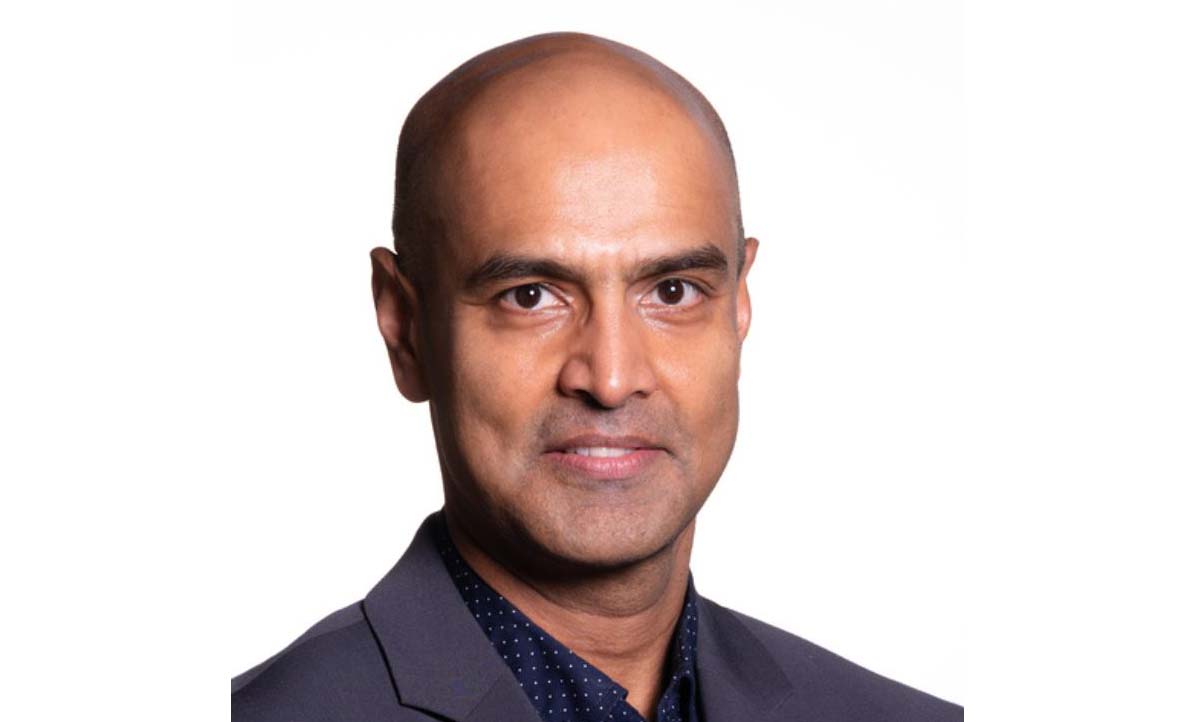
That sweet spot between innovative ambition and operational reality is where Anurag Barua, Transformation Leader at SAP, thrives.
With nearly three decades in the SAP ecosystem and more than 20 years speaking at SAPinsider events, Barua has seen every wave of SAP transformation from ECC rollouts to today’s cloud-first, AI-embedded business suite. In this conversation with SAPinsider, he cuts through the confusion around SAP Business Suite, explains when RISE with SAP or GROW with SAP are applicable for optimal value, and lays out what a structured move to SAP Cloud ERP looks like when done right.
Explore related questions
The below is also a preview of what attendees can expect from his four sessions at SAPinsider Las Vegas 2026.
Q: Can you say more about your background and what you are presenting at SAPinsider Las Vegas 2026?
AB: This is my 21st year speaking at SAPinsider, which still amazes me. I’ve spent close to 28 years in the SAP ecosystem in many roles—as an SAP customer, with system integrators, and with SAP itself, where I’ve been for about 13 years in total. My role today is centered on helping customers succeed with SAP, whether that’s large-scale transformation or more targeted initiatives.
At SAPinsider 2026, I’m presenting five sessions, including a pre-conference workshop focused on demystifying cloud transformation. My other sessions cover SAP Business AI, AI/Joule, SAP Business Suite, and a deep dive into SAP Cloud ERP. These topics are relevant regardless of where an organization is in its SAP journey, which is why I’m so excited about this year’s agenda.
Q: Many business leaders feel overwhelmed by terms like ECC, S/4HANA, and line-of-business applications. How do you explain SAP Business Suite in simple terms?
AB: I always tell people to forget the acronyms for a moment and focus on the idea of SAP Business Suite as the digital backbone of the enterprise. It’s the central nervous system that runs your core operations—finance, supply chain, HR, manufacturing—using cloud-based applications, a unified data layer, and deeply embedded AI.
At the heart of that suite is SAP Cloud ERP, which many still know as SAP S/4HANA. Whether it’s deployed as a private or public cloud, it remains the functional core. Around it sits SAP Business Technology Platform, which provides integration, extension, analytics, and security. When you put all of that together, SAP Business Suite becomes an intelligent, integrated environment rather than a collection of disconnected systems.
Q: Which business processes typically drive the initial business case for SAP Business Suite, and why?
AB: Finance is usually the strongest catalyst, followed closely by supply chain. From a finance perspective, everything starts with capital, including free cash flow, liquidity, regulatory compliance, and financial transparency. SAP Business Suite enables real-time visibility into KPIs, faster closes, fewer reconciliation errors, and stronger controls, all of which directly impact the top and bottom lines.
Supply chain is next because that’s where inefficiencies become painfully visible. Inventory optimization, working capital reduction, and end-to-end visibility from procurement to delivery all translate into tangible savings. We’ve also learned hard lessons from recent global disruptions, and how disconnected systems and limited visibility simply don’t scale in times of crisis.
For existing SAP ECC customers, there’s also the very real pressure of ECC maintenance timelines. While I always caution against letting deadlines alone drive transformation, the urgency is real, and organizations need to act with intention rather than defaulting to lift-and-shift approaches.
Q: When customers consider SAP Cloud ERP, how do you help them choose between RISE with SAP and GROW with SAP?
AB: RISE and GROW are best thought of as transformation paths rather than products. RISE with SAP is typically a strong fit for mid-to-large organizations, especially existing SAP ECC customers, that require customization flexibility and are moving to SAP Cloud ERP Private. These customers often want to preserve certain processes while modernizing infrastructure and operations.
GROW with SAP, on the other hand, is usually a better fit for small to mid-sized enterprises that are often new to SAP ERP. It focuses on SAP Cloud ERP Public, which is a true SaaS offering, with standardized, out-of-the-box processes, minimal configuration, and rapid deployment. It’s ideal for organizations that prioritize speed, predictability, and lower total cost of ownership.
While the approaches differ, both RISE and GROW leverage a shared integrated toolchain that accelerates adoption and supports long-term success within SAP Business Suite.
Q: Can you share customer examples that illustrate the impact of RISE and GROW?
AB: Nestlé is a great use case example of RISE with SAP in action. With its global scale, massive product portfolio, complex routes to market, and evolving digital commerce strategy, Nestlé needed a future-ready IT foundation. Through RISE, it has been able to automate processes at scale, increase agility, and support innovation across its global operations.
For GROW with SAP, Pitney Bowes offers a compelling story. As it modernized its European operations, it replaced aging on-premises ERP with SAP Cloud ERP Public. The results included 100% touchless order fulfillment, dramatic reductions in case closures and cost centers, and a more standardized, scalable operating model. This example actually shows that GROW can support global ambitions, not just smaller footprints.
Q: What does a truly structured move to SAP Cloud ERP look like in practice?
AB: A successful move always starts with disciplined planning. That means discovery, fit-to-standard analysis (as opposed to the traditional fit-gap), data health assessments, and clear definition of the cloud operating model. From there, customers establish a validated technical foundation, followed by iterative realization through configuration, testing, and change management.
Governance is critical throughout. Every successful program I’ve seen has a strong steering committee, a well-defined RACI model, and committed business and IT resources. Agile delivery, frequent show-and-tell sessions, and disciplined release management all help maintain momentum and trust.
And finally, everything comes back to clean core. Organizations need to resist unnecessary customizations and extensions and treat clean core as a strategic objective, not a technical constraint. That mindset is what ultimately enables continuous innovation in the cloud.
This Q&A offers SAP leaders a clear, experience-driven view of how to think about SAP Business Suite, Cloud ERP, and transformation strategy in 2026. Attendees can hear Anurag Barua expand on these insights with practical frameworks and real-world examples during his sessions at SAPinsider Las Vegas 2026, where strategy meets execution at scale.
More Resources
See All Related Content
AI, SAP, and 2027: Why Identity Architecture Is Now a Program-Level DecisionAI agents are already operating inside SAP systems, yet most organizations lack visibility and effective control over their privileges. As S/4HANA migration and SAP Identity Management retirement approach, identity architecture is no longer an operational afterthought. It is becoming a structural decision that shapes automation risk, segregation-of-duties integrity, and audit resilience.