
1 minute read
Meet the Authors
Key Takeaways
What you need to know
Prioritize master data validation early in S/4HANA migrations to avoid costly delays and remediation post-go-live, leveraging automated rule checks for efficiency.
Shift data governance from periodic manual reviews to continuous, automated enforcement using metadata rules, empowering staff to focus on policy refinement.
Evaluate pre-built templates for data migration and MDM solutions to significantly reduce project timelines and development costs compared to in-house ETL logic.
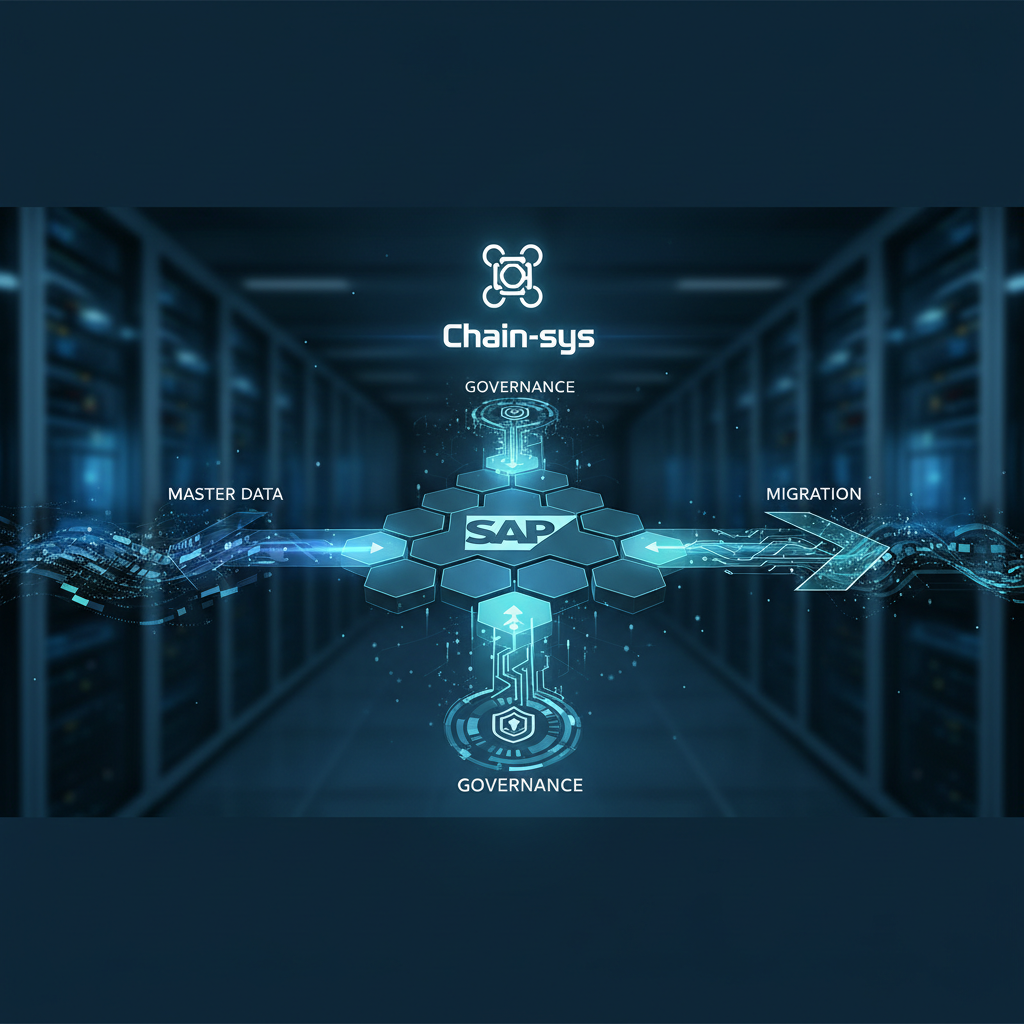
ChainSys has built its Smart Data Platform to cover data integration, governance, and quality management under a single system for enterprises running SAP alongside Oracle, Salesforce, and Microsoft environments. The platform applies AI-driven automation and metadata intelligence through a no-code, low-code approach meant to reduce data complexity for organizations migrating to, or already operating, SAP S/4HANA. ChainSys packages master data validation, migration, and governance into a single platform footprint for these enterprises.
Establishing a Single Source of Truth
ChainSys’s MDM component establishes a single source of truth by eliminating duplicate records and enforcing accuracy through governed, AI-driven rules. The system automatically cleanses, deduplicates, and validates data before it reaches downstream systems, then enriches records that need additional detail. During migration projects, automated reconciliation checks compare source and target systems record by record, catching data that would otherwise be lost or altered in transit.
The rule-based approach extends into specific business object types. In one engagement, ChainSys implemented more than sixty business rule checks for vendor records and more than one hundred for customer and material records, layered on top of standard SAP business rules. Legacy customer and vendor records built under earlier data models often require reconciliation against the newer unified Business Partner structure before they can be trusted for reporting or transactions, and SAP S/4HANA migrations are widely reported to stall when master data quality issues surface late rather than being addressed upfront.
Explore related questions
Ask SAPi
Scaling Migration and Governance
Underneath the migration function sits dataZap, which draws on more than 2,000 pre-built templates covering ERP, CRM, and HCM systems to reduce manual extraction, transformation, and loading. The templates let ChainSys automate the migration process end-to-end, reducing manual intervention and shortening project timelines.
Metadata handles governance in this platform. Active Metadata Management automatically collects and catalogs metadata from databases, warehouses, and cloud platforms, then builds a lineage view showing how data moved from its source through each transformation. The same metadata layer enforces governance policies, including role-based access controls and compliance monitoring, without a separate manual audit cycle. Data lineage and metadata visibility of this kind are increasingly expected wherever financial or vendor master data touches regulatory controls, such as those tied to SOX or GDPR compliance.
The platform’s reach spans more than 200 applications, including SAP S/4HANA, Oracle EBS, and Salesforce, with migration workflows that organizations can tailor to their own mapping, transformation, and validation rules.
What This Means for SAPinsiders
Master data cleanup can no longer wait until go-live. Teams that defer vendor and customer record validation until late in an S/4HANA project risk delays that automated rule checks are designed to prevent earlier. Building rule validation into the migration itself shifts the cost of fixing bad data from post-go-live remediation to pre-migration design work.
Governance enforcement moves from periodic to continuous. When policy enforcement runs automatically on metadata rules, governance staff shift their attention from manual periodic reviews toward designing and refining the rules themselves. The shift changes what a data governance role looks like day to day.
Template breadth changes the migration build-versus-buy math. Buyers evaluating MDM and migration tooling should weigh the time saved by more than 2,000 pre-built templates against the cost and control of building equivalent ETL logic internally. The decision affects both project timelines and long-term maintenance ownership.
More Resources
See All Related Content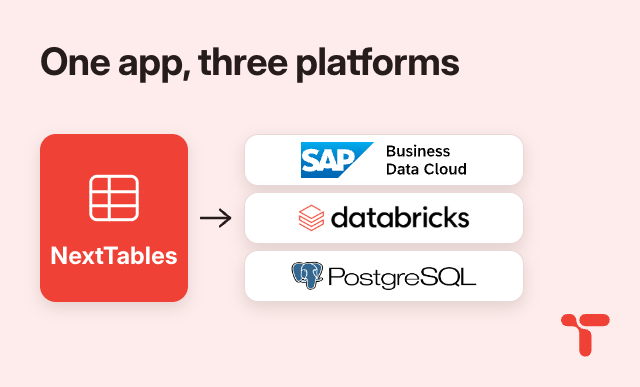
One data maintenance app, three enterprise data platformsBuild data maintenance apps, guided for business teams, trusted by IT. Business teams update their own data, with validation at entry, role-based authorization down to the row, and an audit log of every change stored inside your data platform.
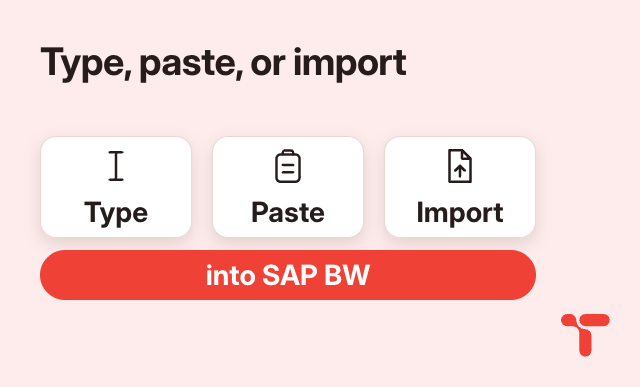
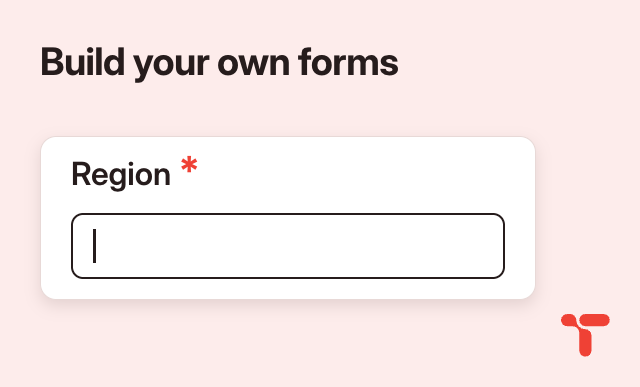
August 2026: business teams build their own entry formsAugust adds forms to data entry. Power users and administrators build guided forms per table, without code, and the same validation rules apply to every way data enters NextTables. Master data keyed on several fields, drag-and-drop uploads and support for tables other systems write to round out the release
1 minute read