Apr 20, 2026
•4 minute read
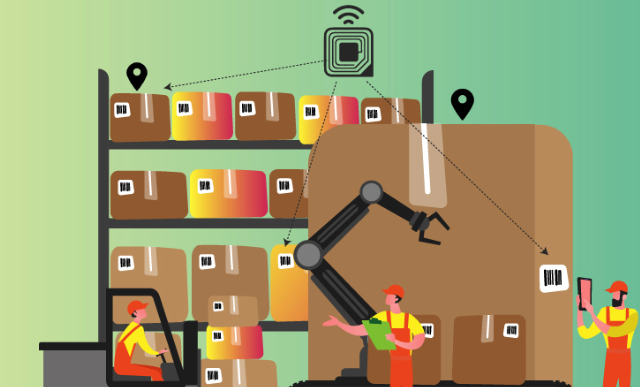
Track and trace is the process of monitoring the movement and location of physical goods throughout the supply chain — a capability that has become essential in the face of counterfeit goods, product recalls and food contamination risks. Regulated industries including pharmaceuticals (U.S. Drug Supply Chain Security Act) and food and beverage (FDA Food Safety Modernization Act) require robust track and trace programs. SAPinsider research found that 70% of SAP customers have integrated product or asset requirements into product models to support parts traceability. Explore the latest SAPinsider content on SAP Track and Trace below.
SAP Track and Trace encompasses a portfolio of solutions that capture, process and store tracking information across supply chain operations. Key offerings include SAP Advanced Track and Trace for Pharmaceuticals — which supports regulatory reporting, serialization and serial number management — SAP Logistics Business Network global track and trace, which provides real-time end-to-end visibility, and SAP Corporate Serialization, an on-premise system for cross-industry serialization and regulatory compliance. Together, these tools serve pharmaceuticals, automotive, energy, tobacco and food and beverage industries where product authenticity, chain of custody and regulatory adherence are non-negotiable.
BSH Uses SAP Business Network Global Track and Trace to Build Real-Time Logistics Visibility
BSH Hausgeräte, a global home appliance manufacturer operating in more than 50 countries, is replacing static ETA models by integrating live shipment data from more than 500 logistics providers into SAP Business Network Global Track and Trace — creating a digital twin of its transport network and enabling dynamic ETAs across sea, road and rail operations.
Cell and Gene Therapy Manufacturing: Why Digital Orchestration Must Start Early
In cell and gene therapy, chain of identity and chain of custody are life-critical requirements. One large pharmaceutical organization reduced order cycle time by 62% by automating identity management and workflow handoffs, while another biopharma cut integration lead times for critical processes from 20-30 minutes to approximately one minute through digitized data exchange.
4flow partnered with Mercedes-Benz AG to develop and implement a Track and Trace system for intercontinental supply chains. The solution connects multiple shipment lanes and transportation modes across a complex global automotive network, delivering improved process efficiency, higher data quality and real-time material inventory transparency across manufacturing and logistics operations.
AGL Energy Tracks and Traces Tens of Thousands of Serialized Rotable Parts
AGL Energy — an Australian energy business accounting for approximately 20% of the country’s total generation capacity and serving 3.7 million customers — replaced decentralized spreadsheets and third-party tools with an SAP Fiori app integrated with SAP S/4HANA, enabling its team to track every rotatable and repairable part across all work sites and warehouses to the serial number and condition.
How to Prepare for Full DSCSA Traceability
The FDA’s Drug Supply Chain Security Act (DSCSA) requires pharmaceutical companies to achieve full interoperable traceability across the supply chain. This resource covers compliance considerations, serialization, data exchange and interoperability requirements under DSCSA, with Engineering Industries Excellence offering Movilitas.Cloud as a serialization and compliance platform to help organizations meet regulatory obligations and increase supply chain visibility.
Supply Chain Planning in the Cloud Benchmark Research
This SAPinsider benchmark report surveyed 106 community members and found that supply chain planning capabilities have evolved from operational tools into strategic enablers of business agility and resiliency — a shift that places real-time track and trace visibility at the center of modern supply chain architecture decisions.
ERP Migration and Transformation 2026
Based on 296 SAPinsider members surveyed, 82% require a fully compliant ERP system that supports both global and local regulations — a top requirement that directly reflects the compliance pressure driving track and trace investment. 33% of external ERP decisions are shaped by changing compliance requirements.
Technology Leaders’ Strategic Agenda for 2026
This SAPinsider report found that 70% of technology leaders cite operational efficiency and cost reduction as their top priority, while 29% report that greater regulatory and compliance requirements are influencing their SAP investments in 2026 — a dynamic that is accelerating adoption of track and trace and serialization capabilities across regulated industries.









Your request has been successfully sent