4 minute read
Meet the Authors
Key Takeaways
-
The migration of Neugebauer from SAP ECC to SAP S/4HANA showcases a critical industry shift towards real-time analytics and cloud infrastructure, which enhances operational agility and supports digital transformation in the confectionery sector.
-
This transition is essential as it addresses the limitations of legacy systems, allowing consumer goods manufacturers to adapt to expanding product lines and complex distribution networks while ensuring compliance with regulatory standards.
-
Businesses adopting SAP S/4HANA can expect impactful changes, such as reduced IT costs by 30%, faster deployment timelines and improved operational efficiencies, ultimately driving significant returns on investment and modernizing user experiences through advanced applications.
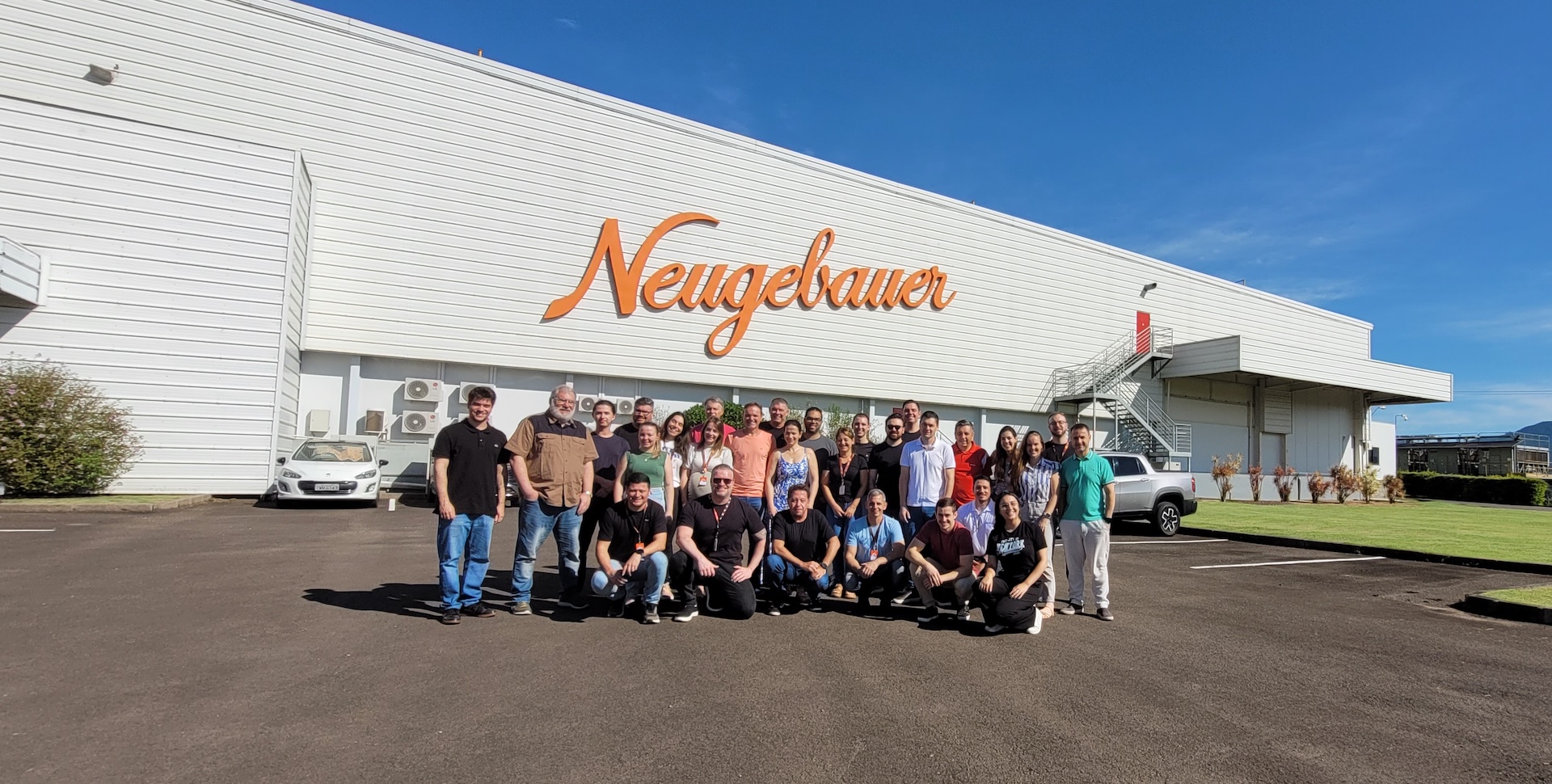
Brazilian confectionery manufacturer Neugebauer completed its migration from SAP ECC to SAP S/4HANA via RISE with SAP in 2025 after operating on the legacy platform for 10 years. The transition positions the 119-year-old company to leverage real-time analytics, streamlined business processes and modern cloud infrastructure supporting digital transformation initiatives across manufacturing, supply chain and financial operations.
For technology executives managing consumer goods operations, the migration timeline reflects broader industry recognition that SAP ECC’s disk-based architecture cannot support real-time decision-making requirements as product portfolios expand, distribution networks grow more complex and regulatory compliance demands intensify. SAP S/4HANA’s in-memory computing delivers immediate analysis, simulation capabilities and profit insights without overnight batch processing that characterized legacy ERP operations.
Consumer goods manufacturers migrating to SAP S/4HANA report significant operational improvements through simplified data structures reducing infrastructure costs, MRP Live enabling real-time production planning without batch jobs, and Material Ledger providing mandatory cost transparency across supply chains. Sales and distribution functions benefit from SAP Business Partner replacing fragmented customer and vendor models, Advanced Available-to-Promise offering real-time stock checks, and Fiori applications modernizing user experiences.
Explore related questions
Real-Time Capabilities Transform Manufacturing Planning Cycles
SAP S/4HANA’s real-time processing enables organizations to run simulations, generate insights and make decisions without relying on overnight batch processing cycles. Production planning teams using MRP Live dramatically accelerate planning cycles through continuous adjustments responding to actual demand signals rather than rigid fixed schedules.
Consumer goods companies implementing SAP S/4HANA on cloud infrastructure achieve 30% IT cost reductions by eliminating on-premises server management, hardware refresh cycles and upgrade complexity associated with legacy architectures. A global food and beverage company converting SAP ECC to S/4HANA on AWS delivered its first project landscape within six weeks despite starting from standstill, demonstrating that modern implementation methodologies compress traditional multi-month timelines.
Ahlstrom’s four-week SAP S/4HANA Public Cloud implementation at a manufacturing facility established new benchmarks for ERP deployment velocity, proving projects traditionally requiring months complete in weeks through agile partnerships and fit-to-standard process adoption. The scalable system delivered immediate operational efficiency improvements while clean core architecture enables future extensions to be added cost-effectively.
Organizations evaluating SAP S/4HANA migration approaches should prioritize clear business goals and early alignment between leadership, business and IT functions to prevent rework and delays. Successful migrations require cleaning custom code and adopting clean core approaches that retain only value-adding modifications while using automation and AI to identify issues quickly.
Many SAP S/4HANA programs going live in 2026 will deliver on time yet fall short of expectations because organizations migrate technical platforms without redesigning business processes to leverage new capabilities. Organizations achieve meaningful returns when implementations prioritize user interface modernization through SAP Fiori applications, focusing on business outcomes rather than cosmetic improvements.
Automation and artificial intelligence embedded within S/4HANA help forecast outcomes, simulate scenarios and automate routine work consuming team productivity. Supply chain planners spot risks earlier while finance teams automate predictable tasks and focus on exceptions requiring genuine attention.
What This Means for SAPinsiders
Legacy platform tenure signals technical debt accumulation requiring aggressive clean core discipline. Neugebauer’s decade on SAP ECC before migrating demonstrates that extended legacy platform usage creates custom code proliferation, process workarounds and technical debt inhibiting business agility. SAP implementation partners must establish custom code retirement frameworks during discovery phases, quantifying modification business value and identifying candidates for standard functionality replacement, as organizations delaying migration accumulate complexity requiring materially longer conversion timelines and higher remediation costs than those migrating proactively.
Four-week implementation benchmarks validate fit-to-standard adoption over customization strategies. Ahlstrom’s four-week S/4HANA Public Cloud deployment establishes new velocity expectations where organizations accepting industry best practices achieve faster time-to-value than those pursuing extensive customization. This shift pressures SAP GSIs and implementation partners to restructure delivery methodologies around preconfigured industry solutions, accelerated data migration tooling and change management focused on process adoption rather than configuration workshops.
Post-go-live disappointment stems from technical migration without process transformation. Recognition that on-time, on-budget S/4HANA implementations fall short when operational rhythms remain unchanged reveals that platform migration alone does not deliver business value. Enterprise architects must structure programs measuring process cycle time reduction, decision latency improvement and automation penetration rates as success criteria alongside technical milestones, creating governance frameworks where business outcome achievement gates project closure rather than production cutover.
More Resources
See All Related Content
SAP Software Expanding Reach in Goverment, Financial ServicesSAP's £275 million contract with HMRC to migrate the UK's core tax systems to SAP S/4HANA Cloud and its UK Sovereign Cloud, marking a significant public sector cloud migration that aims to modernize tax management and improve real-time reporting capabilities while addressing data residency requirements.

Q&A: Demystifying SAP Business Suite and Cloud ERP with SAP Transformation Leader Anurag BaruaAnurag Barua, a seasoned Transformation Leader at SAP, guides organizations through the complexities of modernizing their SAP systems amidst looming deadlines, emphasizing the importance of disciplined planning, a structured approach to SAP Cloud ERP, and understanding the distinctions between RISE and GROW with SAP, all while preparing for his insightful sessions at SAPinsider Las Vegas 2026.
5 minute read

Digital Transformation Opportunities and Future Trends for 4PL, Supply Chain OrchestrationThe rise of digital transformation presents 4PL providers with the opportunity to automate manual processes and enhance efficiency through AI and machine learning, although they must still address various security and logistical challenges to achieve supply chain transparency.
4 minute read