
3 minute read

Key Takeaways
-
SAP Joule, SAP's generative AI assistant, is set to transform professional interactions with systems, but effective deployment requires more than just software installation. Organizations must view Joule implementation as a strategic evolution integrated with their business goals.
-
High-quality data is critical for SAP Joule's success. Companies must prioritize data health by auditing for inconsistencies, removing duplicates, and updating legacy information to ensure AI produces accurate and trusted insights.
-
User adoption is crucial and should begin with low-risk, targeted use cases to build trust. Organizations are advised to pilot SAP Joule with a small group of power users to gather feedback, refine the system, and lay the foundation for broader deployment.
SAP Joule, SAP’s generative AI assistant promises to fundamentally change how professionals interact with their systems. However, deploying SAP Joule is far from a simple, plug-and-play IT exercise.
According to the latest SAPinsider Benchmark Research Report on AI Adoption and Maturity in the SAP Ecosystem, while a staggering 91% of organizations report some level of AI use, the vast majority remain stuck in early to mid-stage maturity. Only a small minority have successfully embedded AI across end-to-end workflows or aligned it with broader business transformation goals.
The organizations breaking through this plateau are those that treat Joule implementation as a strategic, business-led evolution rather than a generic software upgrade.
Explore related questions
Prerequisites for SAP Joule Implementation
Before SAP Joule can answer a single natural-language query, the underlying architecture must be flawless. The first, non-negotiable step is absolute technical readiness. This means an organization’s SAP landscape must operate on a supported release—typically the latest versions of SAP S/4HANA Cloud or specific line-of-business applications.
Moreover, the SAP Business Technology Platform (SAP BTP) must be properly configured and optimized to act as the critical integration layer. Attempting to deploy advanced enterprise AI on a fragmented or outdated architecture will inevitably stall a project even before it begins.
Prioritizing Data Health for SAP Business AI
Once the technical foundation is set, the focus must immediately pivot to data quality. AI is only as intelligent, and as safe, as the data it accesses. Organizations must conduct a thorough data health check. This requires identifying inconsistencies, removing duplicates, and updating legacy information in the specific domains where Joule will initially operate.
Feeding poor-quality, unstructured data into a sophisticated AI system will not solve business challenges; it only accelerates the generation of flawed, highly confident insights. As the SAPinsider report notes, strong data quality and rigorous governance are the primary drivers that separate successful AI leaders from beginners.
Managing Change and User Adoption
The final, and most complex, phase of SAP Joule implementation is user adoption. To implement this phase successfully, organizations should start with highly targeted, low-risk use cases such as navigating complex HR policies or streamlining basic financial reporting.
While faster decision-making is the most common AI-related outcome reported by SAP users, achieving that requires continuous training and tight feedback loops to refine the system’s responses and build human trust.
Bridging the Gap with Expert Partners
Navigating this intersection of human behavior and complex architecture demands specialized expertise. Implementation partners like Applexus Technologies provide the end-to-end strategic support necessary for sustainable SAP Joule adoption.
Rather than just installing the software, Applexus partners with clients to assess true technical readiness, enforce rigorous data standards, and define high-ROI initial use cases. By managing both the technical backend and the human elements of the deployment, it ensures organizations realize the full transformative potential of their AI investments.
What This Means for SAPinsiders
Organizations must rigorously audit their technical prerequisites. Many organizations underestimate how tightly SAP Joule’s capabilities are coupled to SAP BTP’s underlying services. Thus, SAPinsiders should assign a dedicated technical architect to produce a gap analysis document that maps the organization’s current SAP landscape against Joule’s stated prerequisites. Prioritize any required SAP S/4HANA release upgrades and SAP BTP entitlement reviews before a single business use case is even scoped.
Treat data hygiene as a strategic business necessity. Organizations must invest significant time, resources, and executive sponsorship in cleaning, structuring, and governing enterprise data in the specific domains where Joule will first be deployed. To successfully achieve this, SAPinsiders must run a targeted data quality sprint in the two to three domains earmarked for Joule’s initial deployment and define measurable data quality KPIs before go-live.
Execute a start small, scale fast deployment strategy. SAPinsiders should identify one or two highly specific, relatively low-risk use cases to pilot SAP Joule rather than attempting an organization-wide rollout from day one. Begin with defining a 60-to-90-day pilot sprint with a cohort of 20 to 50 power users in a single business function. After the sprint, run a structured retrospective with both IT and the business to capture what worked and what broke. Use those findings to update the data governance rules, refine Joule’s grounding context, and build the business case for the next wave of deployment.
More Resources
See All Related Content
SAP Expands SmartRecruiters Integration to Embed AI, Unified Data Across Hiring WorkflowsSAP is enhancing its integration between SmartRecruiters and SuccessFactors to create a unified, AI-driven hiring platform that connects recruiting workflows and organizational data, aiming for a seamless hiring experience while ensuring data consistency and facilitating skills-driven workforce planning.
SAP, Uptycs Strategically Partner to Reduce AI Cyber ThreatsUptycs has partnered with SAP to deploy AI analysts that enhance enterprise security by enabling SOC teams to focus on advanced threat hunting and strategic risk assessments, producing rapid, verifiable insights to improve security resilience.
2 minute read
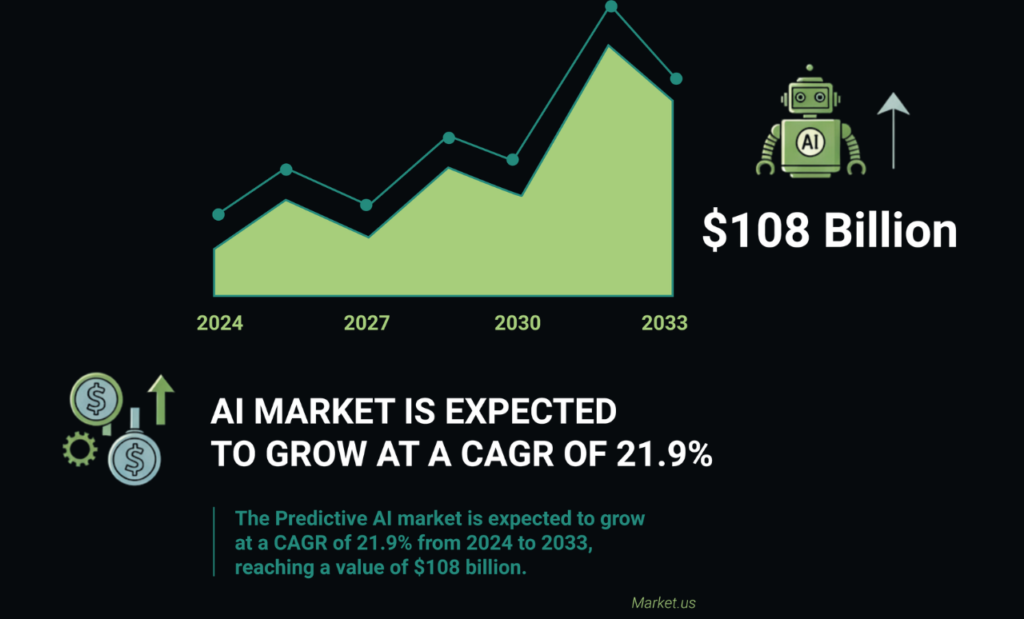
Predictive AI: Applications, Benefits, and ExamplesIn a competitive business landscape, mastering predictive AI is essential for anticipating trends and optimizing processes, as it transforms historical and real-time data into actionable forecasts that guide strategic decisions across various sectors.
4 minute read

Artificial Intelligence enhances the role of agents at Bene Assicurazioni Artificial Intelligence enhances the role of agents at Bene AssicurazioniBene Assicurazioni has enhanced its operational efficiency and customer service by adopting a Virtual Assistant powered by AI, which streamlines agents' access to information and supports their ongoing learning, while fostering collaboration between technology and human expertise.
2 minute read