
Meet the Experts

Event-driven architectures enable real-time insight and proactive decision-making across finance, logistics, and e-commerce.
Defining common entities and topics forces organizational alignment on data models and simplifies how systems communicate.
Shifting from batch and polling to event streams reduces latency and operational complexity while increasing flexibility.
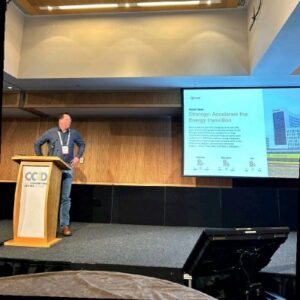
Marco Verhoef introduces event-driven architecture (EDA) as a paradigm that brings real-time data, parallel processing, and unprecedented flexibility into enterprise integration. He describes how defining shared entities and topics across the organization—such as a common understanding of “order”—forces departments to align on data models and creates a unified integration platform. Through scenarios in e-commerce, fraud detection, and logistics, Marco shows how events eliminate polling, reduce latency from hours to milliseconds, and enable proactive responses like rerouting trucks or preventing suspicious financial transactions before they post. He explains the evolution from batch-driven and request–response patterns to event streams, including SAP’s move from simple notification events to richer data events that simplify integration builds. Marco also shares lessons learned on data modeling, governance of topics, end-to-end monitoring, and what to expect when first introducing EDA into an existing process landscape.