

2 minute read
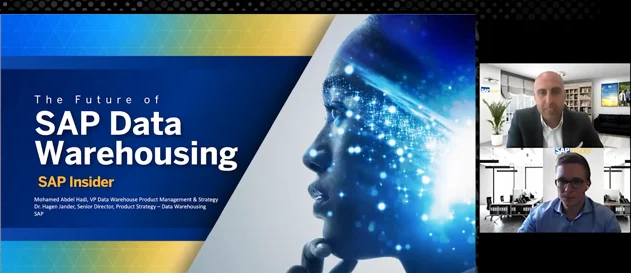
Meet the Experts
The practice of managing data for the next generation of analytics is rapid evolving. Advanced techniques of combining multiple data sources into a single data fabric, managing user privileges and communities, and data sharing throughout the cloud offer new capabilities and new risks in delivering data in the cloud.
More Resources
See All Related Content
Transform Your Data Strategy: Building a Cloud Data Warehouse with Boomi for SAP and Boomi Business Data IntegrationIn an era where data drives decision-making, enterprises must harness their data effectively to gain a competitive edge. Watch now for an engaging webinar that will delve into how Boomi for SAP, coupled with the innovative Boomi Data Integration SAP Connector, can help organizations unlock their data goldmine and build a successful cloud data warehouse. With Boomi Data Integration no-code and user-friendly interface, you can easily load SAP data into any cloud data warehouse, lakehouse, or application and surface valuable analytical insights combining your SAP data with non-SAP data sources.
What You Will Learn:
- Introduction to Boomi's Integration Platform: Learn how Boomi's low-code integration platform simplifies the connection between SAP systems and other data sources, ensuring a seamless flow of information across your organization.
- The Value of Data Integration: Discover why integrating data from various sources is essential for creating a comprehensive view of your enterprise data, driving better insights and strategic decisions.
- Unveiling the BDI SAP Connector: Get an in-depth look at the new Business Data Integration SAP Connector, designed to facilitate real-time data access and integration, enabling enterprises to leverage their SAP data like never before.
- Experience a live demonstration showcasing the BDI SAP Connector in action. See firsthand how easy it is to integrate SAP data and unlock valuable insights for your organization.
Extending AI and Innovation with Google Data CloudAs companies ramp into the AI space, many are under the impression that they can simply apply AI to their existing data to supercharge its value. Sadly, this is not the case. Companies must overcome the barriers between data and AI before they can automate and enhance their data. Google Cloud is working to break down barriers between data and AI to unleash the value that businesses need to stay ahead of the competition.
In this article, you will learn about Google Data Cloud, which bills itself as a “unified, open, and intelligent data ecosystem” that caters to different use cases and personas within an organization. We will take an in-depth look at how Google Data Cloud caters to AI functionality and helps organizations become truly data driven. We will also examine this solution in an SAP context and highlight how it can become the backbone to a sound data strategy.
6 minute read

SAP Partners with Google Cloud to Bring AI to DatasphereSAP announced that it is partnering with Google Cloud to enhance its generative AI offerings, focusing initially on the automotive sector to advance sustainability performance. Leveraging the strength of SAP Datasphere and Google Cloud Vertex AI, the collaboration aims to facilitate the development and training of generative AI models using data from Catena-X, an open data ecosystem supported by SAP for the automotive industry.
This collaboration seeks to unify data foundations, integrating business data from SAP Datasphere with third-party Environmental, Social, and Governance (ESG) datasets and Google Cloud's generative AI models. This integration is expected to boost analytics capabilities, offering advanced AI tools and large language models to businesses. While this initiative primarily targets the automotive industry, broader collaborations are anticipated in the future.
For SAPinsiders, this development signifies a pivotal shift, as SAP Datasphere becomes a critical component in the evolving generative AI landscape, serving as the central system recording data from various SAP and non-SAP sources across enterprises. It is crucial for SAPinsiders to gear up technologically to fully exploit the potential of these new AI offerings. Future collaborations might extend to other data platforms including Microsoft Azure and AWS. To maximize the usefulness of AI solutions, organizations should evaluate their technological readiness and identify priority scenarios to streamline deployment and optimize benefits.
3 minute read
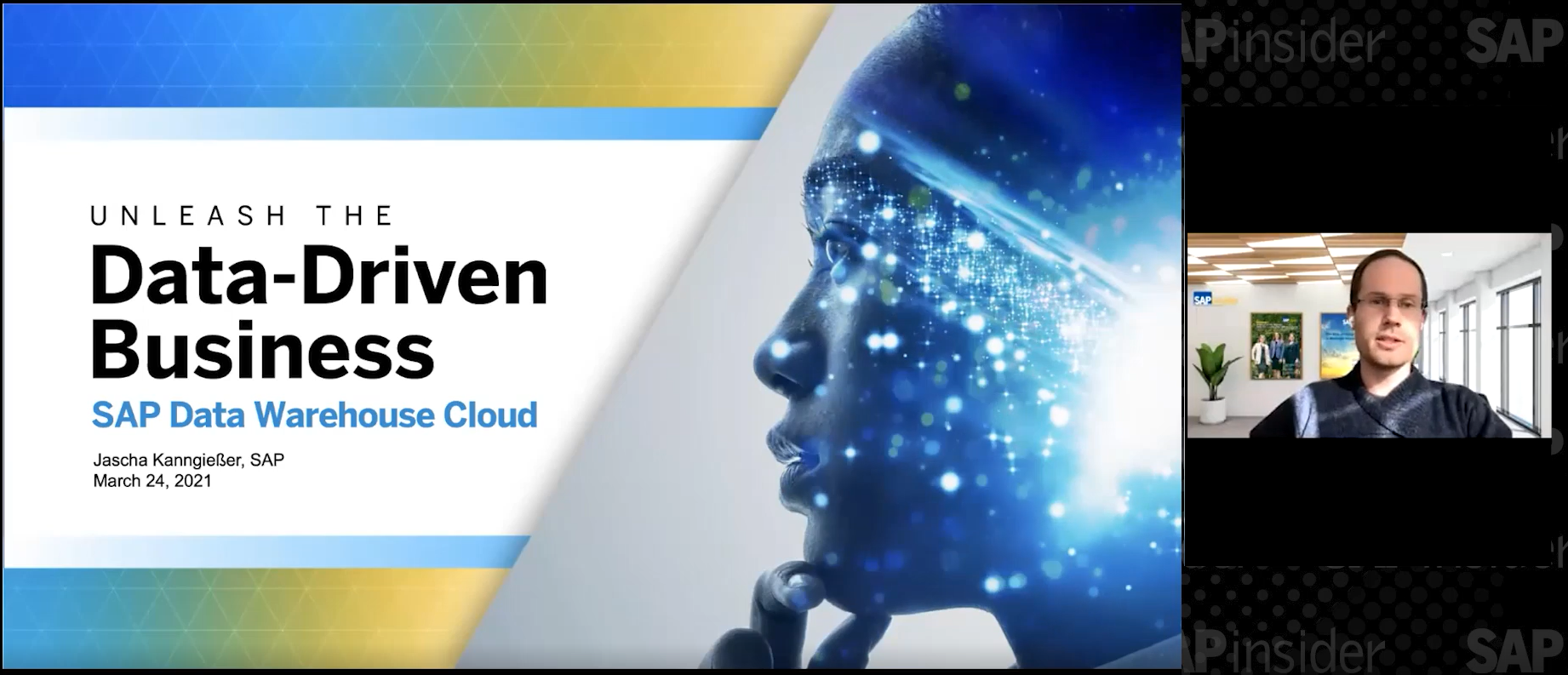
Getting started with data warehouse cloudSAP's advanced data warehouse, SAP Data Warehouse Cloud is SAP's latest technology driving advanced data management for analytics. A cloud-based system, SAP Data Warehouse Cloud, offers a new paradigm for taming data chaos in your enterprise by bringing many data sources together into a smoothly function data store, ready for advanced analytics.
Attend this comprehensive session to:
-Learn about SAP Data Warehouse Clouds features and advantages
-Explore advanced user management called "Spaces"
-Explore the deep integration capabilities offered by SAP Data Warehouse Cloud
-Learn about the roadmap for the year head
-Find out where and how to start a free trial of SAP Data Warehouse Cloud
1 minute read