3 minute read
Meet the Authors
Key Takeaways
-
Syngenta has partnered with SAP to integrate AI-driven capabilities into its core business processes, aiming to improve decision-making and automate workflows across its agricultural operations.
-
The collaboration emphasizes the importance of embedding AI directly into existing SAP processes and data models, rather than using standalone tools, to enhance efficiency and scalability.
-
The initiative highlights the necessity of clean-core discipline in SAP landscapes for successful AI implementation, particularly in regulated environments where automation can streamline compliance and governance.
Agriculture technology company, Syngenta has entered into a partnership with SAP to embed AI-driven capabilities into its core business and operational processes. The collaboration is focused on applying SAP Business AI across Syngenta’s digital landscape to improve decision-making, automate compliance-related workflows, and support predictive, data-driven operations at scale.
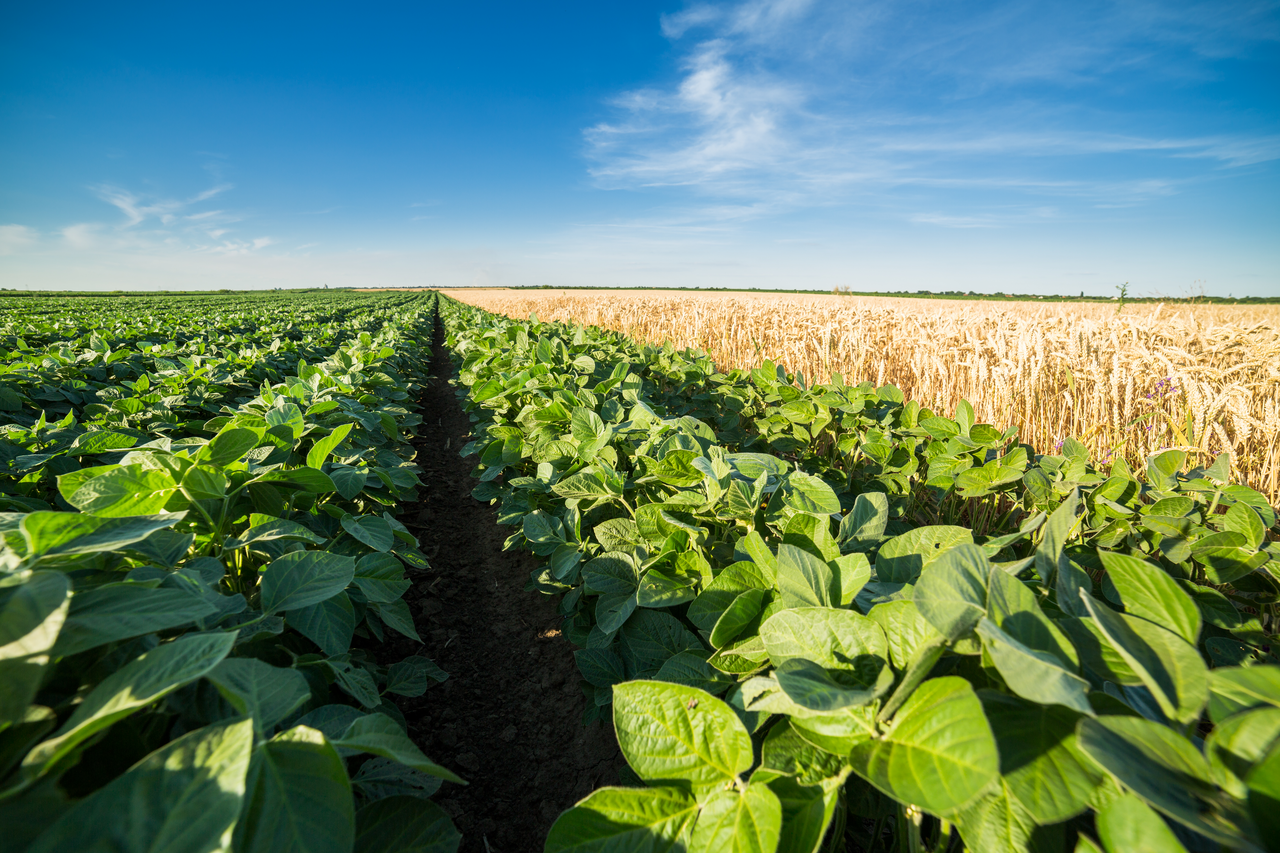
The Swiss-based company, which develops and sells seeds, crop protection products like herbicides, fungicides, and insecticides, and digital farming solutions, is aiming to modernize manufacturing, secure supply chains, and foster sustainable food systems through this project.
Embedding AI Into the Agricultural Digital Core
Anchored by SAP Cloud ERP Private (formerly RISE with SAP), the initiative combines core ERP modernization with the deployment of AI-assisted tools to support more efficient innovation cycles and strengthen operational resilience across the business.
Explore related questions
As part of this approach, Syngenta plans to begin by implementing SAP Business Data Cloud to support AI use cases across the organization. The platform is intended to provide a single, secure data foundation for real-time analysis and decision-making. Building on that foundation, the company will apply SAP Business AI across core operational areas, including product development, supply chain execution, regulatory processes, and farmer-facing services.
SAP Business AI is SAP’s approach to embedding artificial intelligence directly into its enterprise applications and business processes, rather than offering AI as a separate or standalone layer. The framework applies machine learning, automation, and generative AI capabilities to SAP data and workflows, enabling tasks such as analysis, recommendations, and process support to occur within existing systems.
In practice, agricultural operations generate large volumes of both structured and unstructured data, including field conditions, weather information, regulatory records, and logistics data, that must be analyzed quickly to inform decisions. By combining SAP Business Data Cloud with SAP Business AI and the Joule copilot, Syngenta plans to apply this data more consistently across operations, supporting day-to-day decision-making and the rollout of new digital capabilities.
Within this framework, tools such as Joule serve as an interface layer, helping users access insights and recommendations based on enterprise data already governed within the SAP landscape. For Syngenta, this supports the delivery of products and services to growers globally while maintaining control over data access, security, and privacy.
Philipp Herzig, chief technology officer at SAP SE said, “Syngenta’s transformation sets a benchmark for digital innovation in agriculture. Together, we’re demonstrating how cloud and AI technologies can drive sustainable growth and efficiency in one of the world’s most critical industries. This partnership will help Syngenta future-proof its operations to feed the world responsibly.”
What This Means for SAPinsiders
AI adoption requires tighter integration with core SAP processes. For SAP customers planning or expanding AI use, the Syngenta case highlights the importance of embedding AI directly into existing SAP business processes and data models, rather than deploying standalone tools. Practitioners should focus on identifying where AI can support decision-making and automation within core ERP workflows, ensuring that AI initiatives are aligned with transactional systems and governed enterprise data.
Clean-core discipline is a prerequisite for scaling AI in SAP landscapes. The project underscores that organizations looking to scale SAP Business AI need standardized processes and minimal core customization. For SAP teams, this means prioritizing clean-core principles early, and using extensibility options such as SAP BTP to introduce AI-driven capabilities without disrupting the digital core or complicating future upgrades.
Regulatory complexity is accelerating automation and intelligence inside ERP. For SAP customers operating in highly regulated environments, this highlights the importance of designing AI use cases that are embedded directly within ERP workflows. Rather than treating compliance as a separate reporting or audit function, organizations planning or implementing SAP Business AI should consider how automation and intelligence can be built into day-to-day processes, helping reduce manual effort, improve consistency, and support governance without adding new point solutions.
More Resources
See All Related Content


What Is SAP BTP and Its 5 Pillars?The SAP Business Technology Platform (SAP BTP) is a comprehensive integration of cloud and on-site tools that streamlines data management, application development, automation, and artificial intelligence for organizations aiming to enhance efficiency and drive innovation.
8 minute read
AI Camera Solutions Mounted on Drones for Varied ApplicationsThe video highlights the transformative impact of AI-enabled drone camera solutions across various industries, emphasizing their role in surveillance, inspection, and monitoring while providing real-time data, improved efficiency, and reduced manual efforts.
1 minute read