
Explore critical topics shaping today’s SAP landscape—from digital transformation and cloud migration to cybersecurity and business intelligence. Each topic is curated to provide in-depth insights, best practices, and the latest trends that help SAP professionals lead with confidence.
Discover how SAP strategies and implementations vary across global markets. Our regional content brings localized insights, regulations, and case studies to help you navigate the unique demands of your geography.
Get industry-specific insights into how SAP is transforming sectors like manufacturing, retail, energy, and healthcare. From supply chain optimization to real-time analytics, discover what’s working in your vertical.
Dive into the most talked-about themes shaping the SAP ecosystem right now. From cross-industry innovations to region-spanning initiatives, explore curated collections that spotlight what’s trending and driving transformation across the SAP community.
Explore critical topics shaping today’s SAP landscape—from digital transformation and cloud migration to cybersecurity and business intelligence. Each topic is curated to provide in-depth insights, best practices, and the latest trends that help SAP professionals lead with confidence.
Discover how SAP strategies and implementations vary across global markets. Our regional content brings localized insights, regulations, and case studies to help you navigate the unique demands of your geography.
Get industry-specific insights into how SAP is transforming sectors like manufacturing, retail, energy, and healthcare. From supply chain optimization to real-time analytics, discover what’s working in your vertical.
Dive into the most talked-about themes shaping the SAP ecosystem right now. From cross-industry innovations to region-spanning initiatives, explore curated collections that spotlight what’s trending and driving transformation across the SAP community.
In your session one of your segments was on how to use material requirements planning (MRP) results to improve the stability of your system as it relates to sales, planning, production, purchasing, and overall logistics execution. Could you explain some of the key steps involved in this process?
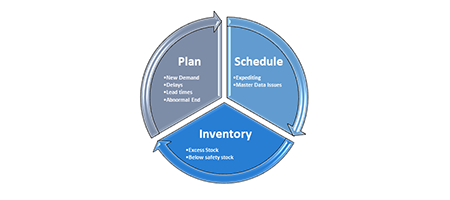
One of the common misconceptions that seem to come along with MRP is that MRP is for the planning department. I debunk that concept by explaining some of the messages and how to tie the MRP exception messages to business values. Having all functional areas that are represented within the exception messages manage their messages and then having them communicate frequently, at least weekly, to all of management from top to bottom in a very elementary approach (aka a grading technique) — this approach finally helps the business more clearly understand the very importance of their MRP system. This technique brings awareness and accountability while improving the performance of the systems and end users from all functional areas.
You also discussed how MRP exception messages allow you to improve overall system hygiene and performance. Could you provide some points to consider with regard to MRP exception messages?
One of the key points first off is to make sure people not only just manage their red, yellow, and green lights but also use binoculars to get into the details. When you get into the details of the messages, you then understand the quantity of the messages that exist. Ideally, you do not want any exception messages; hence, zero to no messages means you are on top of your supply chain and utilizing your system optimally. Additionally, one of the detailed tabs holds dated information. I have seen many clients, and some have items within that list dated 10 years or better. This old data not only clogs the stock requirements list, causing confusion to the end users, but also affects planning. All data in the system is considered when the MRP job runs; even outdated data affects current data.
Have you been involved in implementing MRP Live? If so, what advice or tips could you offer to an organization that is just starting to implement MRP Live?
I have not personally been involved in implementing MRP Live, only exposure to the concepts. In a nutshell what I have come to understand is MRP Live was designed to improve MRP performance on SAP HANA. While MRP Live improves the run time of the system, especially important when dealing with large volumes of data, it does not improve the effectiveness of the data. In other words MRP Live gives you more horsepower, but does nothing to improve the master data, processes, and design that are at the root cause of the exception messages to begin with. Additionally, MRP Live provides more options of segmenting an MRP run, such as the details within your scope of planning. In my opinion, one still should focus on why the exception message is there to begin with.
Based on conversations you had with the attendees, have you noticed any common challenges or learning curves related to MRP that attendees seem to be facing?
One of the common challenges I heard was the sheer volume of exception messages tends to overwhelm the end users who feel that they have a “day job” and that they cannot even make a dent in the volume of exception messages that are in their systems.

Managing Director, CUVIV UK
Senior Systems Analyst, Conagra Brands
Capitol Technology University
Unlimited access to thousands of resources for SAP-specific expertise that can only be found here.
Sign UpAccess exclusive SAP insights, expert marketing strategies, and high-value services including research reports, webinars, and buyers' guides, all designed to boost your campaign ROI by up to 50% within the SAP ecosystem.
Sign UpAlways have access to the latest insights with articles, Q&As, whitepapers, webinars, and podcasts. Gain the inside edge. The SAPinsider Weekly helps you stay SAP savvy. Access exclusive bonus materials, discounts, and more.
Get the NewsletterYour request has been successfully sent