

1 minute read

Meet the Authors
Key Takeaways
-
SAP's new public cloud solution, SAP Distributed Energy Resources (DER), transforms fragmented prosumer data into a unified data backbone, enabling utilities to harness energy flexibility and create new business models in the emerging energy market.
-
The shift towards data orchestration, rather than traditional grid control, positions utilities to better manage complex technical and commercial agreements, ensuring consistent data flow and allowing for innovative energy solutions like virtual power plants and demand response programs.
-
Technology executives must prioritize ecosystem-centric platforms that empower utilities to maintain control over their data while fostering collaboration with specialist partners, enabling them to capitalize on the growing importance of prosumer intelligence and flexibility in energy management.
SAP is expanding its utilities portfolio with a new public cloud solution, SAP Distributed Energy Resources, aimed at turning fragmented prosumer data into a strategic asset for the emerging energy flexibility market. For technology executives, the offering reframes distributed energy as a data-orchestration and platform problem rather than a pure grid-control challenge.
From Connected Assets to Orchestrated Prosumer Intelligence
Built on SAP Business Technology Platform, SAP Distributed Energy Resources (SAP DER) provides a data backbone that unifies technical assets with commercial agreements so utilities can transform millions of prosumer devices into coordinated services. The goal is to connect meters, markets, and customers for business models such as energy communities, virtual power plants, and demand response programs.
SAP positions DER explicitly as a data-orchestration layer rather than an operational control system. It manages distributed energy resource data at scale across production, consumption, and storage, ensuring it flows consistently between operational, commercial, and analytical systems. For CIOs and enterprise architects, this means DER becomes a single source of truth that links the physical and digital worlds of energy.
Explore related questions
The first pillar of SAP DER is complex installation and prosumer data orchestration. The solution brings together technical installation details for meters, solar panels, batteries, EV chargers, and heat pumps with customer master data, tariffs, contracts, grid connection agreements and feed-in contracts. This unified model is essential, SAP argues, because flexible tariffs, grid contracts, and incentive structures determine how energy flows are measured, settled, billed, and monetized.
The second pillar centers on energy management and sharing. With high-resolution data and intelligent allocation algorithms, SAP DER can track how energy is produced, consumed, stored, and shared, enabling transparent, regulation-compliant energy communities and peer-to-peer sharing models for both residential and commercial customers. Day to day, this gives product owners and portfolio managers a platform to design and operate new offers without building bespoke data pipelines for every pilot.
For utilities already running SAP meter-to-cash, asset management, and customer systems, DER extends the existing backbone to encompass prosumer and flexibility use cases. Instead of stitching together point solutions, IT and business leaders can connect every asset, agreement, and customer interaction in one coherent data model that supports smart tariffs, dynamic pricing, and energy sharing.
Owning the Energy Transition Through Data and Ecosystem
SAP’s message is that the energy transition “runs on data,” and that the number of distributed assets will make managing that data one of the defining challenges of the next decade. Digital energy platforms and new entrants are already bundling connectivity, flexibility, and billing into integrated offerings, threatening to relegate traditional utilities to commodity roles if they do not own their data foundations.
To address the breadth of the distributed energy landscape, SAP has assembled a curated ecosystem of specialist partners on top of DER. These partners cover six domains: flexibility management and virtual power plants, energy communities and energy sharing, grid congestion and capacity management, energy portfolio management and trading, customer insights and energy disaggregation, and demand response and load management. Data remains with the utility, and business logic stays under their control, with partners extending capabilities rather than displacing the utility’s core platform.
For technology executives, this changes evaluation criteria when selecting platforms and partners. Beyond basic integration, utilities must assess how well a solution can harmonize technical and commercial data across millions of devices, support flexibility and community models, and plug into a partner ecosystem without ceding control of customer relationships. They will also need governance models to manage data quality, performance, and regulatory compliance across DER-driven use cases.
In practical terms, adopting SAP DER means IT leaders will be designing data models and integration patterns that span OT, IT, and customer channels. Product teams will leverage DER’s allocation and orchestration capabilities to launch and refine energy communities, demand response programs, and dynamic pricing offers. Grid planners and risk managers will tap partner solutions connected to DER for congestion forecasting, flexibility valuation, and portfolio optimization in near real time.
Ultimately, SAP DER is positioned as a way for utilities to “own their energy transition” by mastering prosumer data complexity and translating it into new business models and revenue streams. For SAPinsiders in the utilities sector, this is less a single product launch and more a signal that the future SAP utilities core will extend from meter-to-cash into the full energy flexibility value chain.
What This Means for SAPinsiders
Data orchestration becomes the new utilities core. SAP Distributed Energy Resources positions trusted, harmonized prosumer data as the foundation for future utilities architectures, pushing SAP customers to prioritize platforms that can unify technical assets and commercial agreements across millions of distributed devices.
Ecosystem-centric platforms will shape flexibility markets. By anchoring DER on SAP BTP and surrounding it with specialist partners, SAP is signaling that utilities will need ecosystem-ready platforms that keep data and business logic under their control while enabling rapid innovation in flexibility, energy communities, and demand response.
Prosumer business models move into mainstream operations. With DER’s twin pillars of installation data orchestration and energy sharing, SAP utilities customers will increasingly treat energy communities, virtual power plants, and dynamic pricing as operational offerings, requiring new roles, governance, and analytics integrated directly into their SAP landscapes.
More Resources
See All Related Content
Transforming customer support with AISAP AI SDLC Assist (SASA) is an AI-driven platform that automates the SAP Software Development Lifecycle, enhancing efficiency in designing, developing, testing, and deploying applications by integrating with various enterprise tools, building a knowledge graph of the SAP landscape, and reducing manual tasks to improve code quality and accelerate project delivery.

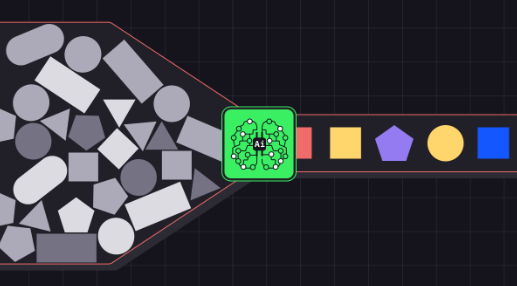
The Future of AI in Synthetic Test Data Management and AutomationAs we approach 2026, the success of AI-driven software automation hinges on overcoming test data bottlenecks, leading to a necessity for automated test data management that ensures continuous access to high-quality, compliant data for effective autonomous testing.
6 minute read
Test Data Automation vs Data Virtualisation: A Better Model for Engineering TeamsDespite data virtualisation remaining a valuable technique in enterprise architecture, it no longer fully encompasses the comprehensive outcomes required by modern engineering teams, which necessitate a broader approach through test data automation that includes discovery, transformation, delivery, and governance.
4 minute read