
1 minute read

Key Takeaways
What you need to know
Focus on what you can execute on ECC now Treat S/4HANA and Joule as important, but not a prerequisite: there is a meaningful portfolio of AI use cases you can implement directly on ECC and hybrid landscapes today. Prioritize scenarios where AI can close the loop inside existing ECC processes (e.g., order-to-cash, procurement, maintenance) instead of waiting for a “clean core” project to finish.
Target AI-enhanced apps, not just chatbots Use AI to generate full applications and flows (Prompt-to-Application), including UI, logic, and SAP connectivity, so that AI output is immediately executable in ECC. Anchor your roadmap around concrete app patterns: document-heavy workflows, offline-capable field apps, transactional Fiori-style apps, and AI-assisted developer tools (documentation, specs, tests).
Define a small set of ECC-centric use cases Identify 3–5 ECC use cases where AI can materially reduce effort or risk: AP automation, maintenance notifications, sales order handling, master data corrections, or SAP-side integrations with external systems. Tie each use case to KPIs that matter in ECC environments (backlog, cycle time, error rates, manual touches) and make those the primary success metrics
Many SAP teams assume AI starts after migration. The reality is different. Learn what AI for SAP ECC looks like today, what works, and how to build value before S/4HANA.
More Resources
See All Related Content
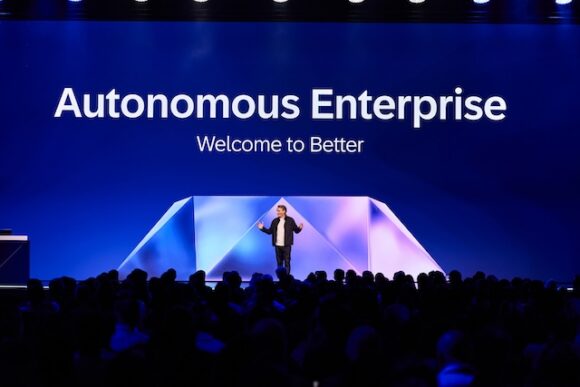
SAP Enters Payments as Joule Assistants Expand Across Every Line of BusinessSAP has launched new AI-powered Joule Assistants across various business functions as part of its Autonomous Enterprise vision, aimed at automating critical workflows and enhancing operational efficiency, with the broader goal of integrating intelligence throughout organizations, despite some assistants not being available until 2027.
5 minute read
How SAP Joule Is Changing the Way Planning Teams WorkSAP's AI copilot, Joule, is transforming financial and operational planning by significantly reducing manual effort and time to insights, allowing teams to make faster, data-driven decisions based on live information and enhancing overall planning capabilities across industries.
2 minute read
Rethinking SAP Modernization: The Shift from AI Later to AI NowThe article discusses the urgent shift in SAP transformation strategies from a sequential modernize-migrate-innovate approach to an 'AI First, AI Now' paradigm that prioritizes immediate AI-driven value creation amidst complex legacy systems.
3 minute read