



Mar 16-19, 2026Las Vegas, Nevada, NV
SAP Robotics
Featured Insiders
Upcoming Events
SAPinsider Las Vegas 2026
Related Vendors

What is Robotics?
Robots are machines designed to either automate manual tasks or assist humans to perform their tasks more effectively or efficiently. At a high level, there are two key components of robots. One part is the actual hardware, or the machine, and the other is the software that controls the machine. Generally, robots are designed to perform specific tasks, and they can be static or mobile.
What is Robotics?
Robots are machines designed to either automate manual tasks or assist humans to perform their tasks more effectively or efficiently. At a high level, there are two key components of robots. One part is the actual hardware, or the machine, and the other is the software that controls the machine. Generally, robots are designed to perform specific tasks, and they can be static or mobile.
What is SAP Warehouse Robotics Solutions?
The remaining sections focus on SAP’s warehouse robotics solutions. The plethora of robots on the warehouse floors obviously need to be managed. Just like warehouse execution systems (WES) help manage conventional warehouse automation solutions (like conveyor belts), it is imperative to have a system in place to centralize and manage these robots. Solutions like warehouse robotics at SAP make integrating these robots easy in the SAP Extended Warehouse Management (EWM) application. This feature allows users to quickly integrate almost any warehouse robot and mix robots from multiple vendors, leveraging the same software stack.
Key Considerations for SAPinsiders
Define your warehouse robotics strategy first. While solutions like the one from SAP help you manage your fleet in a centralized way, the key is to understand what type of robotics you need for your unique operating nuances. This is critical in an age where efficient warehouse operations are considered a competitive advantage by providing capabilities to enhance customer experience. An example of aligning business objectives with warehouse automation can be found here.
Look for solutions that are easy to set up and scale. Other than SAP, there are solutions that allow you to manage your robotics fleet. However, there needs to be a careful evaluation to understand which solution will align best with your needs. Two key criteria you should look for are the deployment time and the ability to scale quickly to a heterogenous fleet.
Explore smart robots. As mentioned earlier, software plays a key role in robots’ architecture. With the advent of AI and ML, you have the option to explore “smart” robots that are not only automating manual tasks or performing some tasks repeatedly but are making decisions on which task to perform and how. An example is a smart robot that decides the optimal method to pick orders for e-commerce.
53 results
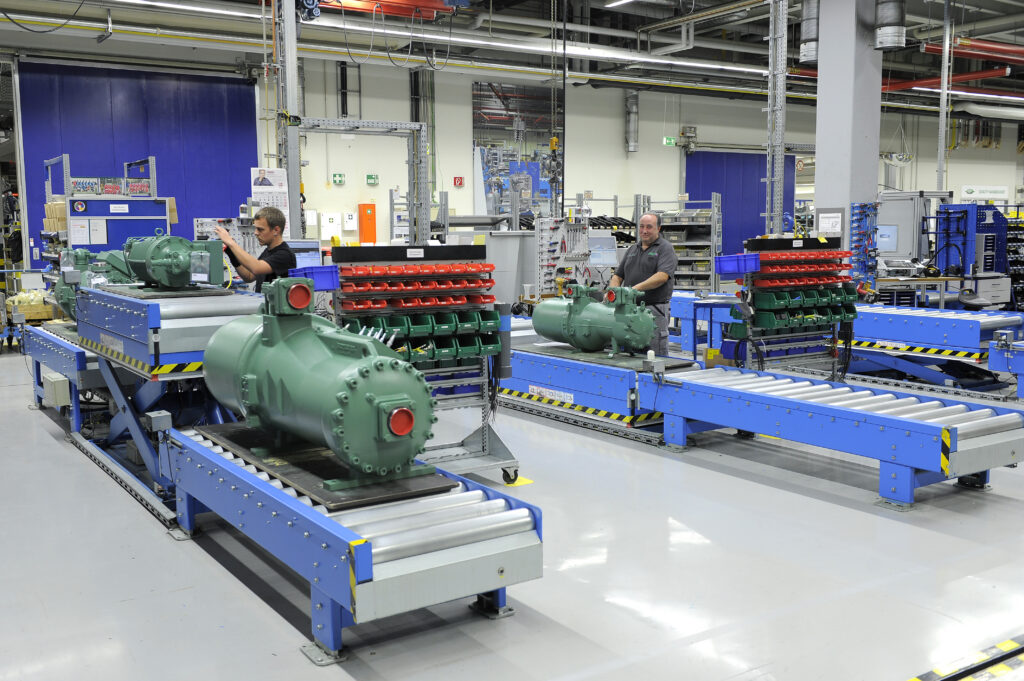

Innovations in SAP S/4HANA Extended Warehouse Management and Warehouse RoboticsJun 7, 2024 — Click Here to View the Session Deck. This session provides an overview and roadmap SAP S/4HANA Extended Warehouse Management and Warehouse Robotics. Listen to a leading SAP subject matter expert on how SAP’s customers are doing more with less in their warehouse operations while still maintaining OTIF goals! You will: Become a high-performance warehouse utilizing […]
1 minute read
How Mobile Automation and Digital Resilience Will Drive Growth: 4 Trends to Consider in 2023Jan 9, 2023 — Supply chain issues and surging customer demand are just a few of the many challenges companies face. While some of the external factors affecting organizations are outside of their control, organizations can take proactive steps to increase agility. This article discusses the four key trends organizations should consider for creating resilient, growth-focused organizations.
5 minute read

Navigating Global Supply Chain Disruptions with AI-based SolutionsApr 29, 2024 — The global supply chain has faced significant upheaval due to various disruptions such as the COVID-19 pandemic, climate-related events, and geopolitical conflicts. These challenges have revealed weaknesses in traditional supply chain models and highlighted the need for resilience and agility. Businesses are dealing with logistical bottlenecks, fluctuating demands, and rising costs, necessitating innovative solutions.
Artificial Intelligence (AI) is reshaping supply chain management, evolving from an emerging technology to a vital tool for operational efficiency. AI technologies like machine learning, predictive analytics, natural language processing, and the Internet of Things (IoT) each play a role in enhancing supply chain functions. Machine learning improves demand forecasting, predictive analytics helps anticipate disruptions, natural language processing enables better communication, and IoT offers real-time tracking and monitoring. Collectively, these technologies enhance risk mitigation and drive supply chains toward new levels of optimization and responsiveness.
6 minute read

How Will Digital Transformation Impact Your SAP Financials Processes?Oct 1, 2016 — In this Q&A session experts share strategic advice on how visionary companies optimize and automate finance processes to enable fast, accurate, and compliant financial decisions. If you missed the chat or need a refresher, we welcome you to view the online chat replay or read the edited transcript below. Meet the panelists: Tom Walker is the OpenText […]
23 minute read

Build Industry Solutions with SAP S/4HANA and IBM Watson deployed on IBM CloudOct 1, 2017 — Manufacturing company Mondi is using SAP S/4HANA, IBM Cloud and Watson APIs to automate month end processing. An Asian transportation company transformed to ward off stiff competition from Uber and Grab by combining IBM Weather data with Cognitive Fleet management. How can you create new solutions for your industry with SAP and Watson Solutions? What […]
22 minute read

SAPPHIRE NOW 2018, Day 3: How SAP Technologies Are Improving People’s LivesJun 12, 2018 — While machine learning, artificial intelligence, and robotics technologies have certainly been lauded for the time savings and productivity gains they can bring to the digital business world, often overlooked is what these technologies can do for people in a humanitarian sense. This was not the case during the closing keynote at SAPPHIRE NOW 2018, which […]
5 minute read
SAP and the New Era of the Intelligent EnterpriseMay 4, 2018 —
Newly appointed President of SAP North America DJ Paoni – who is tasked with overseeing all strategy, day-to-day operations, and overall customer success across the US and Canada – shares with SAPinsider readers how SAP is reinventing its own people and product strategies with a more purpose-driven culture and customer-first mindset. He provides insight into what drives conversations with SAP customers, how today’s technology helps them harness new opportunities, and how SAP’s future strategy will leverage the SAP S/4HANA foundation to enter into the new era of intelligent enterprise.
7 minute read

Unlocking Agility with Digital Supply ChainsJun 7, 2024 — Organizations are heavily investing in the digital transformation of their supply chains, adapting to Supply Chain 4.0 in line with Industry 4.0, which incorporates intelligent technologies like IoT, AI & ML, Robotics, RPA, and big data. These technologies enhance supply chain management by improving functionality and efficiency through advanced data analytics and applications. Wipro, a leader in digital transformation with a strong partnership with SAP, leverages innovative methods and SAP Cloud solutions to boost supply chain operations. Their strategies, including the SPEED delivery method and S/4HANA RACE, enable rapid prototyping and fast implementation, contributing significantly to supply chain transformations. Additionally, Wipro's Supply Chain Risk Visibility solution, hosted on SAP BTP, offers real-time monitoring and adaptable frameworks to anticipate and manage disruptions effectively, ensuring resilient supply chain operations.
3 minute read
