

2 minute read
Meet the Authors
Key Takeaways
-
Organizations prioritize swift migration to SAP S/4HANA over comprehensive transformation, risking long-term costs from unnecessary data or customizations.
-
The reliability of AI systems hinges on data integrity; flawed data can lead to significant financial losses, highlighting the need for effective data validation like SAP EDIT.
-
SAP S/4HANA migrations present a critical chance for organizations to implement robust, automated data validation and continuous monitoring, ensuring trustworthy data for future AI initiatives.
SAPinsider’s latest research indicates that many organizations believe moving to SAP S/4HANA swiftly is more important than completing a broader transformation. The report notes that this is because those who complete the transition before the end of 2027 believe they can come back and work on transforming their SAP S/4HANA systems once they are in place. However, this approach can be more expensive in the long run if organizations have moved unnecessary data or customizations that could have been eliminated earlier.
The High Cost of Garbage In
The principle of garbage in, garbage out isn’t new, but with the increasing use of AI in new enterprise systems like SAP S/4HANA, the consequences are amplified. Participants in a recent Tricentis webinar illustrated this challenge with some examples:
- A global financial firm lost $440 million in 30 minutes due to an innovative algorithm acting on flawed data.
- A major search engine lost $96 billion in market value after its new AI produced biased and inaccurate results.
These cases highlight that AI models are trained on the data provided by the organization. If that data is incomplete, biased, or wrong, the model will perpetuate and amplify those errors. This is because AI can’t fix itself.
Explore related questions
The Human Toll of Manual Validation
According to the participants, traditionally, ensuring data quality for a predictive analytics engine was the responsibility of eight people armed with a two-page manual SQL script. They worked long hours just to scratch the surface of the data using the stare-and-compare method.
However, today, solutions like SAP Enterprise Data Integrity Testing by Tricentis
(also known as SAP EDIT) solve this challenge by replacing unreliable, hand-coded SQL scripts with an automated, wizard-driven approach.
The Real Path to AI Readiness
Moreover, actual AI readiness is built on a foundation of trusted data. This is where SAP EDIT becomes essential for SAP customers. It provides end-to-end validation across the three critical stages of any data-driven initiative:
- Pre-Migration Assessment: Before an SAP S/4HANA migration, the solution validates source data from legacy SAP and non-SAP systems, ensuring it’s complete and consistent before the move begins.
- Post-Migration Reconciliation: After the move, SAP EDIT automatically reconciles every record, ensuring nothing was lost or corrupted during the complex transformation to the new SAP environment.
- Continuous Monitoring: Post-go-live, SAP EDIT provides continuous validation for data flowing into tools like SAP Analytics Cloud (SAC) or feeding AI copilots, such as SAP Joule. This proactive monitoring catches errors in hours, not weeks.
This automated approach has transformed the process for companies during their SAP-led cloud transformation. The participants gave the example of a large baked goods company, which achieved 100% data coverage and accelerated its data validation cycles by 300% by implementing SAP EDIT.
Finally, they recommended that before a business asks SAP Joule for business insight, it must first be able to trust the data it will use to answer. That trust isn’t bought with an AI license but is built on a proven foundation of automated data integrity.
What This Means for SAPinsiders
Treat your SAP S/4HANA migration as Project Zero for AI. An SAP S/4HANA migration is a pivotal event that will significantly impact an organization’s success in all future AI and analytics initiatives. Thus, for SAPinsiders, this project is the single best opportunity to clean their data house. This means implementing a robust data validation strategy that operates before, during, and after the migration with solutions like SAP EDIT.
Shift to automating your processes for continuous data monitoring. A reactive, manual approach to monitoring data is unscalable and introduces business risk. The modern best practice is to implement a continuous data integrity monitor. The automated solution runs in the background, proactively validating data as it moves between systems. This quality-first mindset allows SAPinsiders to catch errors in hours, preventing an impact on C-suite decisions or disrupting supply chain operations.
Data validation must extend beyond the ERP core. A modern SAP landscape is a hybrid ecosystem where data flows to data warehouses, such as Snowflake, is accessed by tools like SAP DataSphere, and is visualized in SAP Analytics Cloud. An AI tool like Joule will be expected to pull insights from this entire landscape. Thus, an organization’s data validation strategy must ensure end-to-end trust across the entire data pipeline. This requires a solution that is technology-agnostic and can validate data as it moves from SAP to non-SAP systems and into cloud analytics platforms.
More Resources
See All Related Content

Supply Chain Leaders Balancing AI Ambition, Execution DisciplineSupply chain transformation success hinges on clearly defined problems and measurable outcomes rather than merely adopting technology, underscoring the importance of multi-tier visibility, workforce engagement and customer-centricity.
4 minute read
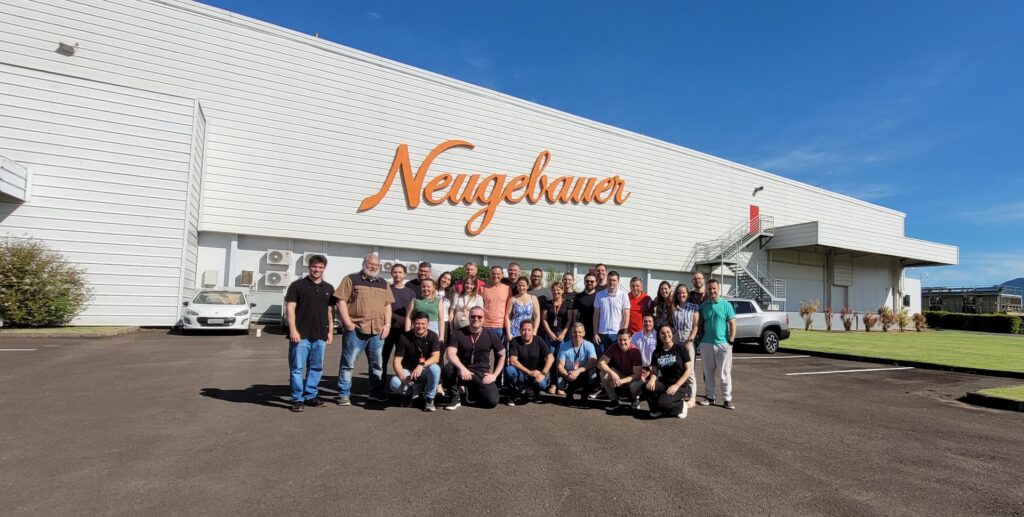
Neugebauer Completes SAP S/4HANA Migration After Decade on Legacy PlatformBrazilian confectionery manufacturer Neugebauer successfully migrated to SAP S/4HANA from SAP ECC, enabling real-time analytics and streamlined operations, which reflects an industry trend of seeking modern, cloud-based solutions to handle complex supply chain demands.
3 minute read