

1 minute read
Meet the Authors
Key Takeaways
-
An MES serves as the central nervous system of a manufacturing operation, connecting machines with strategic planning to enable coordinated actions rather than reactive responses.
-
Integrating the Industrial Internet of Things (IIoT) with MES allows real-time monitoring and dynamic scheduling, transforming factories into intelligent systems that can adapt to changing conditions and improve operational efficiency.
-
For manufacturers using SAP, leveraging specialized MES solutions like ShopVue can eliminate data silos and enhance digital transformation, enabling a shift towards autonomous operations and real-time decision-making.
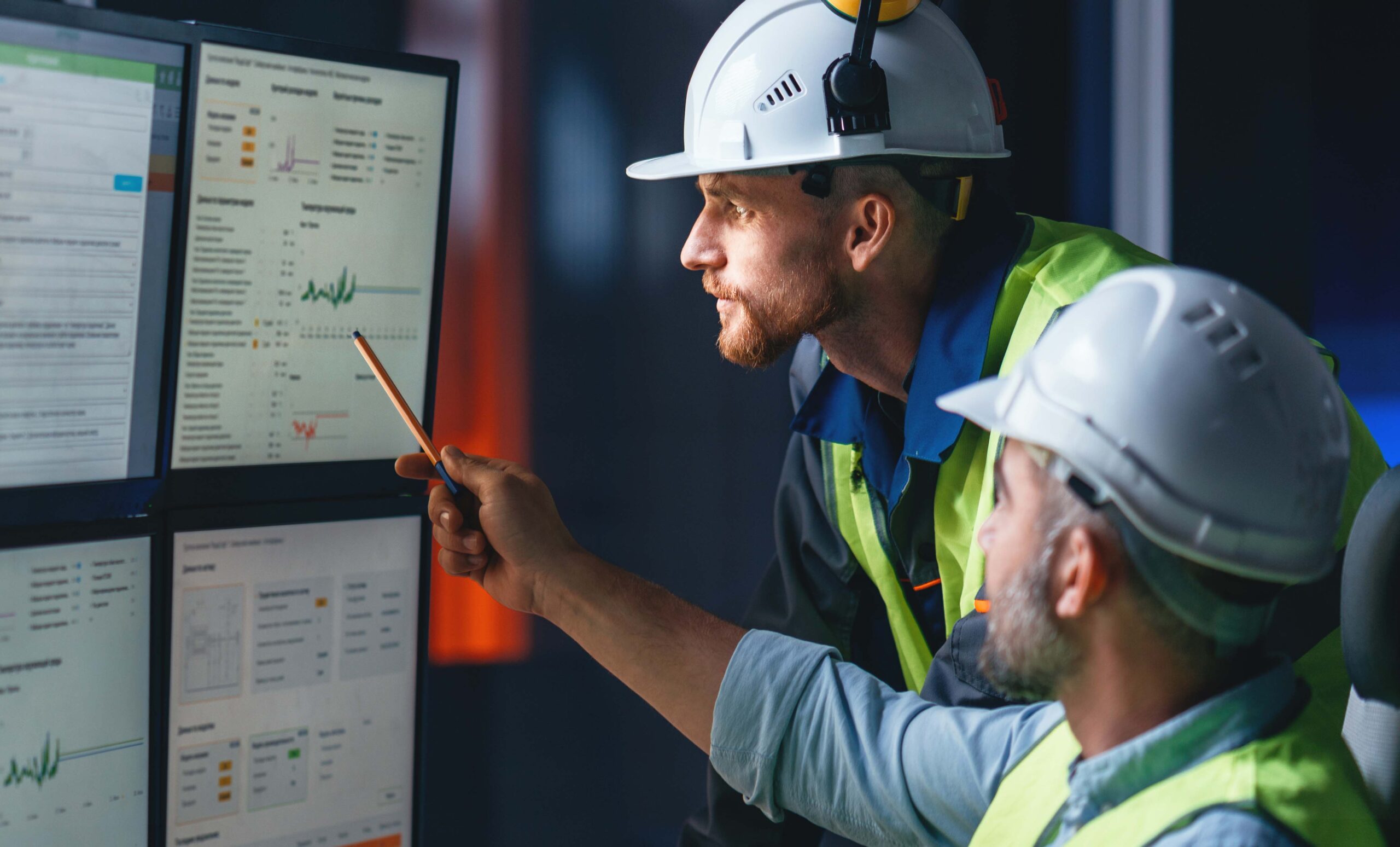
A Manufacturing Execution System (MES) serves as the central nervous system of the shop floor in the manufacturing sector. While the machines in a factory perform the physical work, an MES holds the strategic plan of every job. However, a disconnect between these two key essentials on the shop floor can result in uncoordinated and reactive motion, rather than intelligent and controlled action.
Additionally, an MES holds the business context, while crucial machine data lives in enterprise systems like SAP. Thus, when a problem arises, it triggers a manual, forensic investigation. Teams scramble to piece together paper records and spreadsheets to find the root cause.
As CAI experts noted in a recent webinar, this disconnect between planning and real-world execution leads to waste, delays, and frustrated teams. The solution, therefore, is to build a central nervous system for the factory by connecting the Industrial Internet of Things (IIoT) to MES.
Explore related questions
Merging Machine Feedback
Using the example of how the brain and nervous system work in tandem to illustrate their point, the speakers noted that an IIoT network acts as the nervous system, transmitting real-time signals from every part of the factory floor. When the manufacturer connects these nerves to an MES like CAI’s ShopVue, the brain can finally understand what the muscles are doing, second by second.
This illustration can also be used in the context of, say, an injection molding press. An IIoT sensor reports a slight temperature variance. On its own, this is just a data point. But when that signal reaches ShopVue, the system provides critical context. It is aware that this specific temperature, for this particular part number, often results in defects. The MES now has the insight to proactively alert the operator before a bad part is made.
This creates a powerful closed-loop system. Therefore, an operator can flag a critical defect in ShopVue, and the system can automatically send a signal down the nerve pathway to the machine’s PLC, halting production. This transforms a reactive process into an automated, intelligent reflex.
A Factory That Thinks for Itself
However, the game-changing advantage of this integrated system is dynamic scheduling, as machines can go down and priorities shift constantly in manufacturing.
With a fully integrated system, the factory can adapt instantly. For example, if a critical machine goes offline, the system registers the error while intelligently re-routing the workload, re-prioritizing jobs on other available machines based on real-time capacity, material availability, and even operator skill sets logged in ShopVue.
Moreover, getting started doesn’t require a big bang overhaul. As the experts at CAI advised during the webinar, begin with a pilot project. Identify a key pain point, prove the value, and build from there. By endowing the factory with a brain and a nervous system, manufacturers can transform it from a set of disconnected parts into a single, intelligent entity that can perceive, think, and react in real-time.
What This Means for SAPinsiders
Leverage proven integrations. For manufacturers using SAP systems, the SAP S/4HANA landscape is the single source of truth for planning. A specialized MES, such as ShopVue, complements this by acting as the system of execution on the shop floor. CAI’s solutions are designed to integrate with SAP, ensuring that high-fidelity, real-time production data flows seamlessly back into the core SAP modules, whether they are SAP PM, SAP QM, or SAP PP. This eliminates data silos and de-risks digital transformation by using solutions built to work together.
Digitize with the right tool for the job mindset. While manufacturing solutions like SAP Digital Manufacturing (DM) are robust for end-to-end orchestration, many facilities have specific, complex needs that a purpose-built MES can solve more rapidly. For use cases requiring deep functionality in discrete manufacturing or a phased approach to digitalization, ShopVue can quickly digitize operations and connect machines, providing immediate value. This specialized layer can then feed its granular data into the broader SAP ecosystem, allowing organizations to augment SAP’s core capabilities without the complexity of an all-at-once project.
Prepare for autonomous operations. The market trend indicates a clear shift from simple data collection, such as OEE for dashboards, to utilizing that data for autonomous action. Smart factories are moving toward systems that perform dynamic scheduling and predictive quality control without human intervention. For SAPinsiders, this means your role is evolving from managing master data to architecting data flows that enable real-time decision-making. The future lies in creating a system where the factory informs the ERP of its current status, and the entire system adapts instantly.
More Resources
See All Related Content
The AI Blueprint for 2026: Practical Steps for Future-Ready OperationsAs 2026 approaches, business leaders are under pressure to streamline operations and control costs while driving improvement. AI can help but knowing the difference between horizontal and vertical AI is key. Horizontal AI gives broad, generic suggestions that often miss the mark for real operational challenges. Vertical AI, however, is built into your core systems and works directly with your processes and data. This allows you to not only gain insights, but to act on them in ways that match how your business truly operates.
In this SAPinsider session, wel discuss how adopting vertical AI prepares your operations for the future, an approach that helps teams work smarter, minimize downtime, and stay ahead of change. We’ll focus on implementing AI without building everything from the ground up, the time to ROI, and how AI can support compliance and audit readiness.
Watch this webinar to:
- Learn how AI-driven strategies enhance key elements of operations, from maintenance to compliance.
- Identify sources of inefficiency or risk that AI can help address within current workflows.
- Find actionable steps to introduce AI technologies without disrupting existing teams or processes.
- See how to foster a data-driven culture that supports continuous operational improvement.

Key Strategies to Reduce the Cost of Poor Quality In ManufacturingManufacturers are focusing on reducing the Cost of Poor Quality (COPQ) through the integration of Manufacturing Execution Systems (MES) with SAP ERP systems to gain real-time insights into operational deficiencies, shifting from reactive to proactive quality management and ultimately enhancing efficiency and profitability.
3 minute read

Evolving from Paper to Productivity Using Mobile SAPA major dairy manufacturer improved operational efficiency by transitioning from paper-based maintenance processes to a mobile enterprise asset management solution, resulting in enhanced technician productivity, reduced maintenance costs, and better decision-making through real-time data.
3 minute read

The Intelligent PM Program: Optimizing Preventive Maintenance With AI in SAPOrganizations are under pressure to keep assets running reliably while controlling maintenance costs. Traditional PM programs are often inefficient, heavily manual, and dependent on tenured staff for adjustments. This creates risk as employees retire, and it limits scalability.
By applying AI to analyze asset performance, historical data, and work order history, organizations can fine-tune PM intervals, eliminate unnecessary work, and reduce errors from manual processes. With optimized PM schedules and fewer administrative burdens, maintenance professionals can focus on higher-value work such as troubleshooting, reliability improvements, and process innovation.
In this session, we’ll show how AI-enabled optimization within SAP helps maintenance teams get more from their PM programs.
Watch this session to:
- Learn how AI-driven optimization enhances preventative maintenance programs in SAP.
- Identify common inefficiencies in traditional PM schedules and processes.
- See practical steps for introducing AI into PM programs while preserving technician expertise.
- Discover strategies to ensure maintenance teams remain central to AI-enabled PM processes.
1 minute read