4 minute read
Meet the Experts
Key Takeaways
-
SAP's new Quote-to-Cash (Q2C) benchmark provides organizations with critical data for making informed hardware decisions, focusing on both performance and sustainability.
-
The collaboration between Intel and Lenovo has resulted in significant improvements in power efficiency and transaction performance, enabling businesses to align their infrastructure with both computing demands and environmental goals.
-
Flexible processing, exemplified by Intel Xeon 6 processors with P-cores and E-cores, allows organizations to optimize workloads and enhance operational efficiency while reducing environmental impact.
In today’s data-driven business landscape, SAP customers face the critical challenge of balancing high-performance computing demands with sustainability goals. A recent eye-opening collaboration between SAP, Lenovo, and Intel has produced brought the possibility that this balance is not only achievable but can deliver superior results on both fronts.
The Combined Power of Intel and Lenovo, Benchmarked by SAP
The recently introduced SAP Quote-to-Cash (Q2C) & Q2C Power benchmarks representing an important shift in SAP ERP performance and sustainability evaluation. Unlike previous metrics, SAP’s Q2C simulates real-world enterprise processes spanning inquiry creation through payment posting, incorporating both transactional and analytical workloads based on SAP HANA. The Q2C Power Benchmark measures the required energy for the Q2C transactions taking place. This comprehensive approach provides organizations with reliable data for infrastructure decision-making in the intelligent enterprise era.
Explore related questions
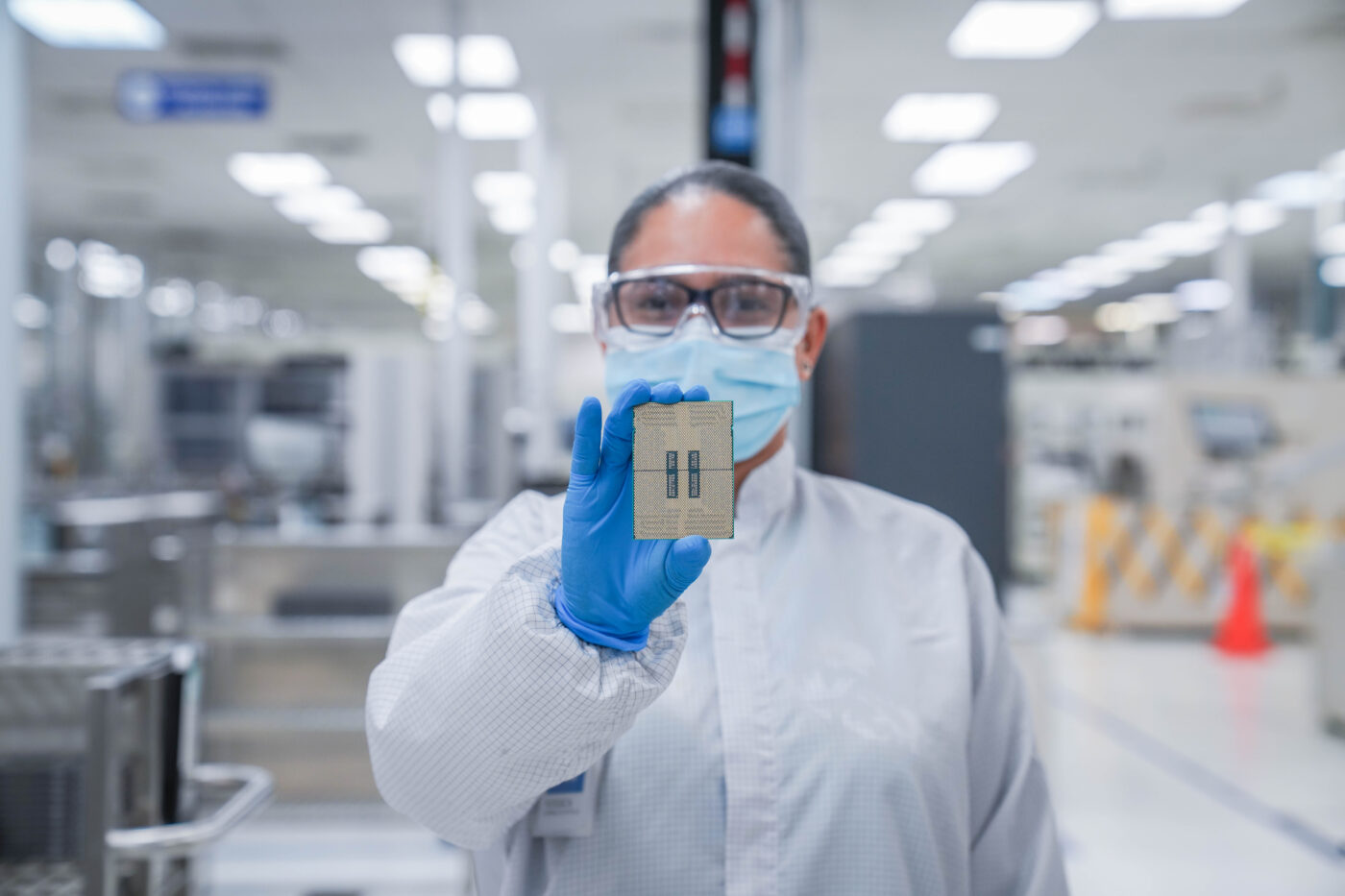
The combined power of Intel and Lenovo delivered significant results when measured by SAP’s Q2C power benchmark. For Intel’s part of the equation, the Intel Xeon 6 processor family offers two distinct architectures: P-cores for compute-intensive workloads requiring maximum processing power, and E-cores optimized for high-density, energy-efficient operations. This flexibility allows organizations to align their infrastructure precisely with their SAP workload characteristics and sustainability objectives. Recent benchmarking of Lenovo ThinkSystem SR630 V4 and SR650 V4 servers powered by Intel Xeon 6 processors reveals remarkable achievements. The Intel Xeon 6 with P-cores delivered 53,720 aSAPS at just 11.97 watts / kaSAPS, while the E-cores variant achieved 43,720 aSAPS at 13.70 watts / kaSAPS. These results represent significant improvements over previous Intel Xeon based product generations in both performance and power efficiency.
A deep dive into the benchmarking results can be found in Lenovo’s “Sustainable, reliable, and scalable SAP ERP landscapes” whitepaper.
Business Impact Beyond Numbers
For SAP customers, these benchmarks translate into tangible business benefits such as faster response times, lower cost per transaction, reduced environmental impact, and crucial headroom for future growth. When multiple SAP environments from development to production benefit simultaneously from improved efficiency, the cumulative impact on operational costs and sustainability goals becomes substantial.
The future of SAP ERP, S/4HANA and Cloud ERP infrastructure lies in intelligent architecture choices that deliver both performance excellence and environmental responsibility. Based on SAP’s benchmarking, this is a future that Intel Xeon 6 processors are uniquely positioned to enable.
What This Means for SAPinsiders
SAP’s benchmarks help determine the right hardware to deliver your SAP transformation. SAP’s new Q2C benchmark provides important data for customers looking to make informed decisions on their hardware.
Identify your processing needs to shape your hardware requirements. Processing needs may vary by system. A flexible processor can help deliver on the most compute-intensive workloads while also scaling down for the smaller jobs. This delivers a more efficient approach that leads to business benefits.
Determine if your hardware decisions can help deliver on other desired business outcomes. If your company has sustainability goals, a flexible processor that uses power more efficiently may help reduce your environmental impact and help deliver on those initiatives.
Learn more about the versatility of Intel Xeon 6 processors with P-Cores and E-Cores.
More Resources
See All Related Content
Digital Transformation Opportunities and Future Trends for 4PL, Supply Chain OrchestrationThe rise of digital transformation presents 4PL providers with the opportunity to automate manual processes and enhance efficiency through AI and machine learning, although they must still address various security and logistical challenges to achieve supply chain transparency.