3 minute read

Meet the Authors
Key Takeaways
-
Organizations must move beyond data collection to transform raw input into actionable knowledge, focusing on understanding the root causes of inefficiencies to enhance productivity.
-
The digital transformation process starts with establishing visibility, allowing for immediate labor optimization by using real-time data rather than relying on outdated, paper-based methods.
-
To gain a competitive advantage, businesses must ensure seamless data flow between the shop floor and executive levels, prioritizing open architectures to expose non-value-added activities and foster a connected ecosystem.
The Hidden Factory, or unplanned, unnecessary, or non-value-added activities that silently drain resources within an organization’s processes, is the greatest threat to profitability for many manufacturers.
During a recent SAPinsider webinar on manufacturing data transformation, industry veterans explored how to expose these inefficiencies. As Neil Batterby, Vice President Sales at CAI Software, noted, “Manufacturers aren’t short on data; in fact, they are drowning in it. The problem is that much of this data remains unstructured, trapping organizations in a cycle of reactive firefighting rather than proactive improvement.”
The experts noted that to thrive, operations leaders must move beyond simple data collection and transform that raw input into knowledge, understanding not just what happened, but why adverse activities are occurring.
Explore related questions
The Reality of a Digital Journey
While the industry buzzes with talk of self-optimizing systems and autonomous factories, the reality on the shop floor is often different. Craig Powers, Analyst at SAPinsider, shared that a surprising 79% of factory workers still rely on paper-based documentation and checklists to track work.
“Digital transformation begins with establishing visibility, which is the Stage 1 foundation where identifying low-hanging fruit allows for immediate labor optimization,” Powers said. “Only after securing this accurate, real-time data from machines and operators can an organization mature toward predictive analysis.”
Jeff Elam, Global Operations Systems Manager at Hubbell Incorporated, emphasized that this foundation changes the dynamic on the floor. “When supervisors have access to real-time metrics like line OEE or downtime frequency, they stop managing symptoms and start diagnosing root causes,” Elam said. “More importantly, it shifts the human dynamic. Instead of subjective criticism, supervisors can offer objective coaching based on data, moving the culture from fault-finding to fact-finding.”
Building a Connected Ecosystem
The discussion provided a blueprint for this maturity. Powers shared upcoming SAPinsider research indicating that companies investing in data foundations see immediate returns on critical KPIs, such as productivity and decision-making speed.
Additionally, Elam, a 32-year veteran in the space, detailed how organizations can navigate the transition from legacy, paper-heavy processes to a digitally integrated environment. The discussion highlights the critical need to break down silos between the shop floor and the executive suite.
Finally, a true competitive advantage emerges only when operator data flows seamlessly to the CEO’s dashboard, ensuring the entire business—from finance to maintenance—is operating from a single version of the truth.
Watch the full webinar on demand to learn how to turn your data into a strategic asset.
What This Means for SAPinsiders
Audit SAP ERP maturity to truly benefit from digital transformation. While SAP ERP might be the system of record for the top floor, the shop floor often tells a different story. The webinar highlighted that 79% of factory workers still rely on paper, creating an environment where data stalls. To move up the maturity scale, from simple visibility to actual knowledge, manufacturers must honestly assess their data latency. If SAP data relies on end-of-shift manual entry rather than real-time machine connectivity, the organization’s strategic decision-making is looking in the rearview mirror rather than the road ahead.
Shift the shop floor culture from fault-finding to fact-finding. Sharing his experience at Hubbell, Elam demonstrated that digital transformation is as much about psychology as it is about technology. By placing real-time dashboards in front of operators, Hubbell didn’t just track metrics; it gamified performance. The most profound shift occurred when supervisors stopped using data to blame operators for downtime and started using it to coach them. When an operator sees their own cycle time slowing down in real time, they self-correct immediately, turning data from a management tool into an employee tool.
Demand open architectures over siloed data. In SAP environments, unplanned, non-value-added activities can only be exposed if shop-floor systems communicate fluently with the enterprise layer. Therefore, organizations must prioritize open APIs when exploring MES or Connected Worker platforms, such as those provided by CAI Software, to plug into their SAP landscape. As noted in the discussion, organizations must avoid what the experts termed as “walled gardens” where data is trapped in proprietary formats. Whether it’s ingesting legacy PDFs into a digital format via AI or ensuring maintenance alerts trigger work orders in real time, the goal is a seamless ecosystem where the operator’s actions on the floor instantly inform the executive’s financial view.
More Resources
See All Related Content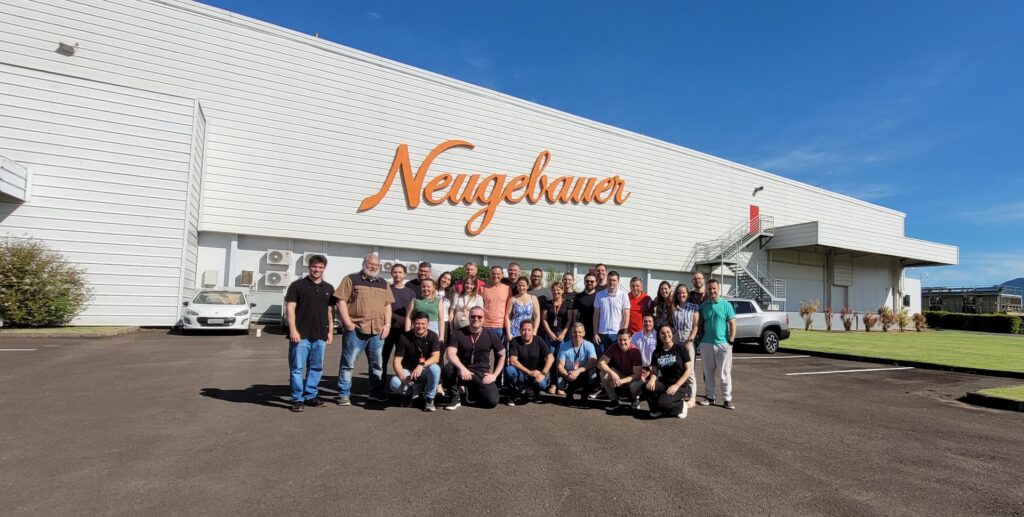
Neugebauer Completes SAP S/4HANA Migration After Decade on Legacy PlatformBrazilian confectionery manufacturer Neugebauer successfully migrated to SAP S/4HANA from SAP ECC, enabling real-time analytics and streamlined operations, which reflects an industry trend of seeking modern, cloud-based solutions to handle complex supply chain demands.

SAP S/4HANA Systems Integrator Services Market to Pass $100 Billion by 2032The global SAP S/4HANA systems integrator services market will surpass $108.5 billion by 2032, driven by organizations transitioning from legacy SAP ECC platforms and pursuing digital transformation initiatives requiring specialized implementation expertise. The market expansion reflects SAP’s roadmap encouraging customers to migrate away from ECC systems, with enterprises increasingly relying on global system integrators to […]
3 minute read