articles
What is SAP GRC?: Governance, Risk, and Compliance in the Modern Enterprise

The Imperative of SAP GRC in Today’s Enterprise Landscape
In an era of accelerating digital transformation, managing risk is no longer a simple “check-the-box” exercise; it’s a strategic imperative for survival and growth. For organizations running on SAP, establishing robust Governance, Risk, and Compliance (GRC) processes is the foundation for building a resilient and trustworthy enterprise. This article will serve as a comprehensive guide to understanding and mastering SAP GRC in the modern business environment.
What is SAP GRC and why is it Critical for Modern Enterprises?
At its core, SAP GRC refers to a suite of solutions designed to help organizations manage their governance, risk, and compliance regulations related to their SAP environments. It provides a centralized framework to automate and streamline controls, ensuring that the right people have the right access to the right data at the right time.
The criticality of SAP GRC stems from its ability to provide a single source of truth for risk and compliance data across the enterprise. This unified view is essential for:
Informed Decision-Making
Providing leadership with clear, real-time visibility into the organization’s risk posture.
Operational Efficiency
Automating manual control testing and compliance reporting, which frees up valuable resources.
Protecting Brand and Assets
Safeguarding against fraud, data breaches, and non-compliance penalties that can have devastating financial and reputational consequences.
The Evolving Regulatory Environment and Increasing Cyber Threats
The need for a strong GRC strategy is amplified by two converging forces: an increasingly complex regulatory landscape and a relentless rise in sophisticated cyber threats.
From a compliance perspective, businesses must navigate a complex web of mandates like the Sarbanes-Oxley Act (SOX) in the US and the General Data Protection Regulation (GDPR) in Europe. Achieving SOX compliance is not optional, with fines for non-compliance reaching into the millions.
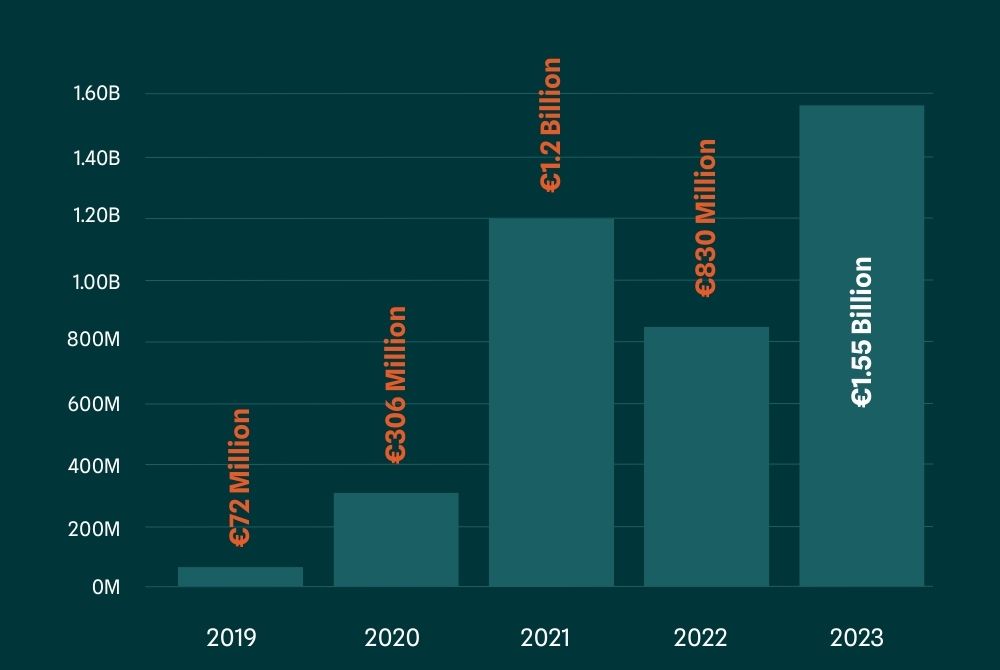
This data highlights the significant increase in fines issued under Europe’s General Data Protection Regulation (GDPR), illustrating the growing financial risk of non-compliance.
Simultaneously, the threat landscape has never been more hostile. With the cost of cybercrime projected to reach $10.5 trillion annually by 2025, organizations face constant pressure to defend against attacks targeting their most critical systems. An effective SAP GRC program, supported by up-to-date SAP threat intelligence, is a crucial line of defense, helping to harden systems against both internal and external threats.
A Look Inside This Guide
This guide will provide a comprehensive overview of the SAP GRC framework, from navigating key compliance mandates like SOX and GDPR to mastering access risk and automating audits. We will also explore how Onapsis enhances GRC processes to help you achieve sustainable compliance and security excellence in your SAP environment.
Deconstructing the SAP GRC Framework
To effectively manage SAP GRC, it’s essential to understand its core principles and components. The framework isn’t a single product but a comprehensive strategy enabled by a suite of integrated SAP solutions. Its primary goal is to provide a structured approach to managing the complex interplay between business objectives, risk mitigation, and regulatory obligations.
Defining the Pillars: Governance, Risk, and Compliance
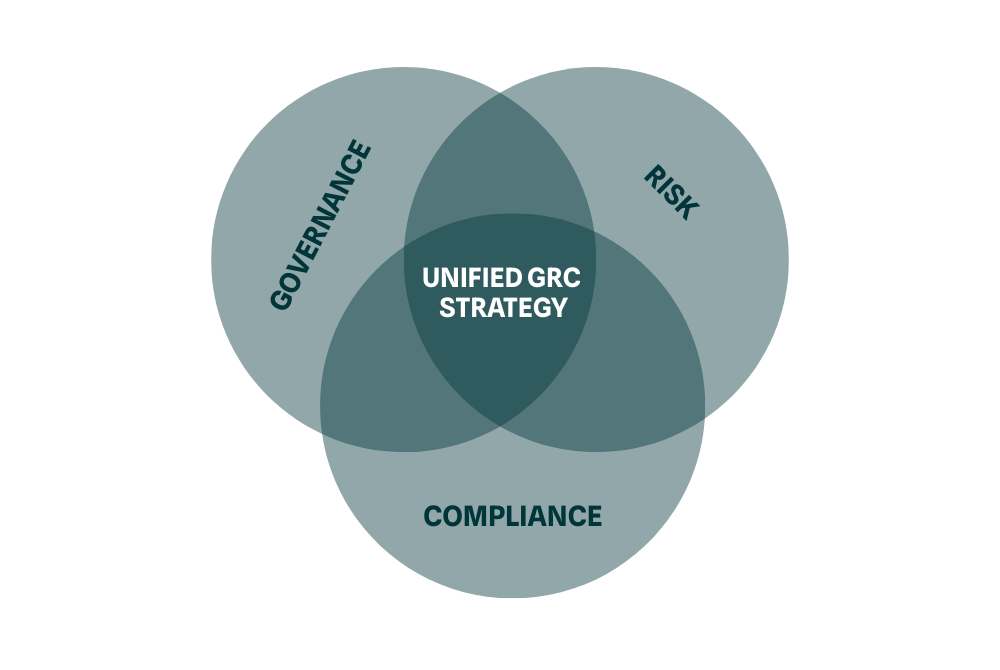
The “GRC” acronym represents three distinct but interconnected pillars that form the basis of a strong internal control environment.
Governance
This is the “G” in GRC. It refers to the overall management approach through which an organization is directed and controlled. It involves aligning business operations with strategic goals, corporate policies, and stakeholder expectations to ensure accountability and ethical behavior.
Risk
The “R” stands for risk management. This pillar involves the systematic process of identifying, assessing, and mitigating potential risks that could prevent an organization from achieving its objectives. In an SAP context, this includes financial, operational, and cybersecurity risks.
Compliance
The “C” is for compliance. This pillar is focused on ensuring the organization adheres to the vast web of laws, regulations, industry standards, and internal policies it is subject to. This includes mandates like SOX, GDPR, and NIST.
Key Modules Within the SAP GRC Suite
SAP provides several key modules to help organizations implement their GRC strategy. These solutions are designed to automate and streamline control processes, providing visibility and enforcement across the enterprise. The most critical modules include:
SAP Access Control
This module is focused on managing user access and preventing fraud. It allows organizations to define and enforce access policies, identify and remediate access risks, and manage Segregation of Duties (SoD) conflicts. It is a cornerstone for preventing unauthorized activities within critical SAP systems.
SAP Process Control
This component helps organizations monitor the performance and compliance of key business processes. It provides a centralized hub for documenting controls, conducting automated tests, and managing issue remediation, which is crucial for continuous compliance readiness.
SAP Risk Management
This module enables businesses to proactively identify, analyze, and respond to risks across the enterprise. It helps teams quantify the potential impact of various risks and manage the response efforts, turning risk management from a reactive exercise into a proactive, strategic function.
How SAP GRC solutions help streamline GRC processes
SAP GRC solutions transform governance, risk, and compliance from a fragmented, manual effort into a streamlined and integrated business function. They provide a technology backbone that helps organizations enforce policies and controls consistently. The primary ways they achieve this are through:
Automation of Manual Tasks
One of the most significant benefits is the automation of repetitive, time-consuming tasks. This includes user access provisioning, control testing, and evidence collection for audits. Automation not only reduces thousands of hours of manual effort but also minimizes the risk of human error, leading to more reliable compliance outcomes.
Centralized Management and Visibility
GRC solutions break down the traditional silos that exist between business, IT, and audit teams. By creating a single, centralized platform for managing risks and controls, everyone in the organization works with the same data. This unified view ensures that all stakeholders have real-time visibility into the organization’s risk and compliance posture.
Vendors mentioned
Fill in the form on this page to read the full article.