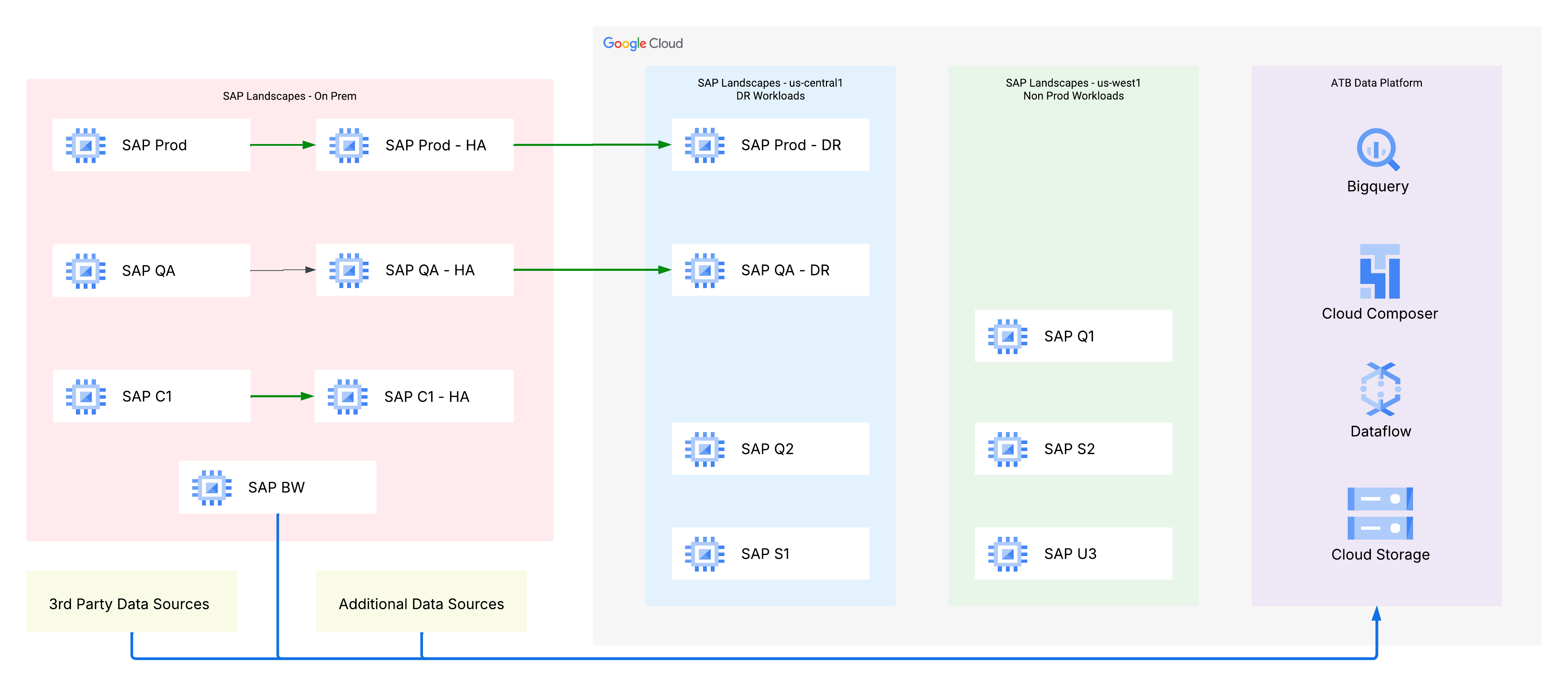
With Google Cloud, ATB has improved performance, resilience, and infrastructure efficiency across critical banking systems. Marketing campaigns and month-end processes that once took five to eight hours now run in seconds, giving teams faster access to data when it matters most. ATB has also accelerated the delivery of datasets and insights by 30% and generated more than CA$2.24 million in productivity savings.
“Migrating the critical financial reporting systems at the heart of our banking operations to Google Cloud transformed how quickly we can generate insights—what once took hours now takes minutes,” says Rogers. “It also streamlines our adoption of Google AI services by effectively utilizing our SAP Reporting systems and data warehouse in BigQuery.”
ATB has also moved away from a capacity model built around long procurement cycles and excess hardware. Instead of maintaining 30–40% excess capacity to stay ahead of demand, teams can provision infrastructure on Google Cloud as business needs change. With Compute Engine, tiered storage, custom machine types, and FinOps practices, ATB can better align infrastructure spend to workload requirements, use lower-cost tiers for non-critical systems, and reduce overall SAP infrastructure TCO by 20% across both on-premise and Google Cloud infrastructure.
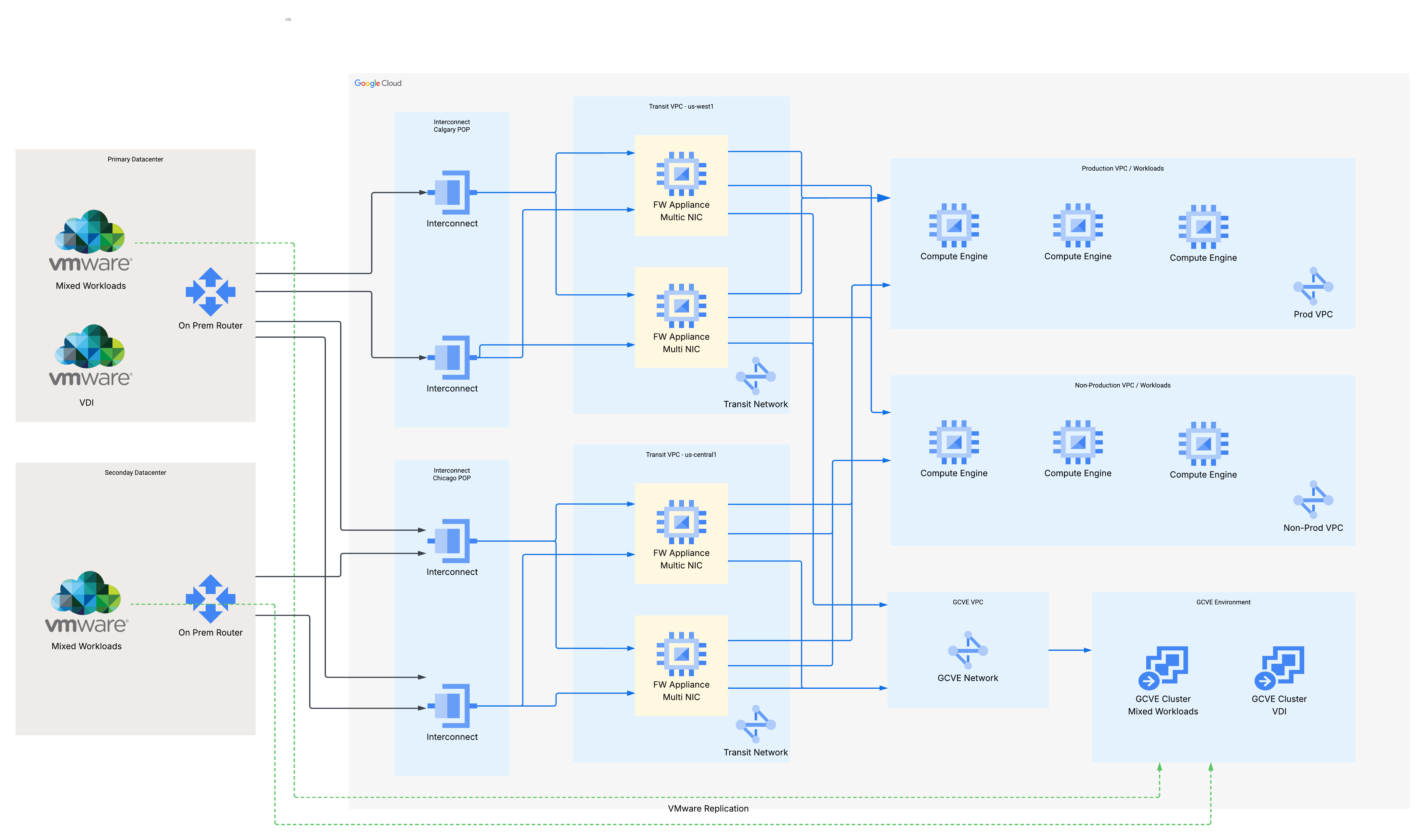
Disaster recovery has become more scalable and consistent as well. By standardizing VMware recovery on GCVE, ATB reduced DR sprawl across multiple locations, technologies, and automation models. The architecture gives teams a more consistent recovery environment while allowing ATB to scale resources in Google Cloud during a recovery event instead of relying only on a fixed secondary data center footprint.
“Google Cloud has helped us make disaster recovery more practical to operate,” says Rogers. “We can test more efficiently, use the tooling our teams already understand, and scale recovery capacity when the business needs it.”