articles
APIs for Finance: Transforming Cash, Liquidity and Payments

APIs offer a lifeline for CFOs and treasurers who are looking for both innovation and cost improvements. Although many CFOs think of APIs for finance as an expedited pathway for bank connectivity, bank connections are just the tip of the iceberg. APIs open integration to a variety of systems, including capabilities that vastly improve cash forecasting, liquidity management and payments. APIs offer an information and processing gateway to realizing digital transformation. Unlike FTP, APIs do not require files to be sent or downloaded. Data is exchanged point to point between systems immediately, allowing for instant data transmission and eliminating substantial risk. They enable the development and use of faster, pre-built connectors to reduce implementation times and facilitate real-time payments and security. In this whitepaper, we’ll explore:
- What APIs are and how they work for finance
- The different types of APIs that are available
- How APIs can revolutionize ERP connectivity, cash management, liquidity management, payments and more.
CFOs Are Investing Billions
CFOs are investing more than ever on enterprise platforms, with organizations spending an estimated $675 billion in 2022, according to Statista. Much of this investment is for organizations to move their enterprise resource planning (ERP) systems to cloud platforms, such as SAP S/4 Hana Oracle Cloud, and Microsoft Dynamics 365 leading the large corporate market. For CIOs looking to effectively support their CFO business partners, connectivity from ERP to internal and external systems and data sets remains a costly challenge, often delaying go-live dates and driving significant cost overruns. APIs open integration to a variety of systems, introducing capabilities and process automation that had not previously been possible. APIs offer an information and processing gateway to realizing digital transformation.
What Is an API?
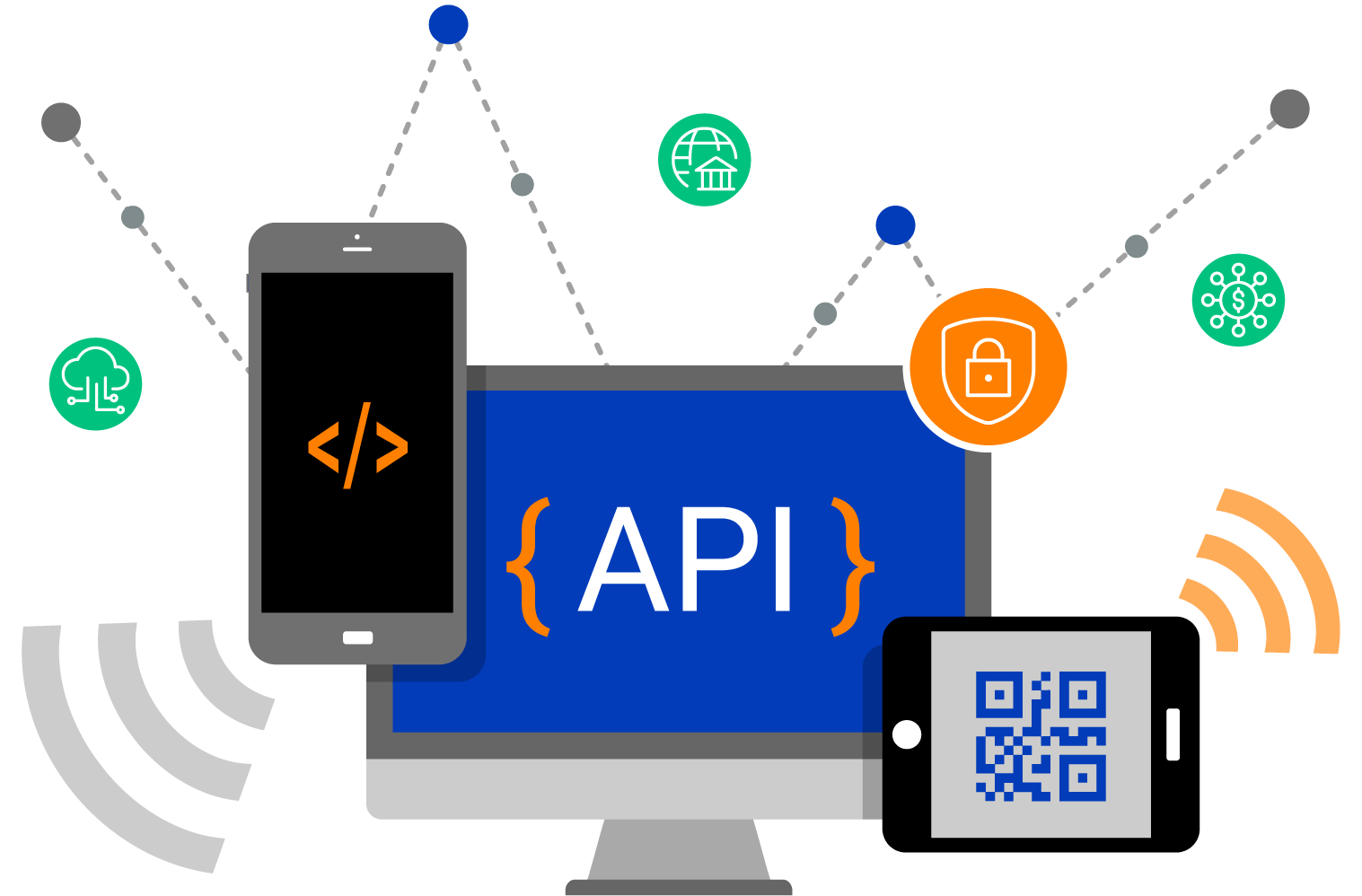
An API is a program that allows mulitple pieces of software to “talk” to each other. Applications on your phone and embedded widgets on a website all use APIs to request or deliver information.
Why APIs for Finance Matter
Gartner research revealed that nearly 50 percent of financial leaders will incorporate a “composable financial management system” by 2024 “to deliver capabilities and outcomes that keep up with the rapid pace of business change.” APIs are enabling that change. They are transforming the way finance leaders consume data and are allowing a coupling of multiple applications that was previously impractical to support, creating a gateway to real-time business intelligence and digital solutions. Unlike file transfer protocol (FTP), APIs do not require files to be sent or downloaded. Data is exchanged point to point between the systems immediately, allowing for instant data transmission and eliminating substantial risk. They enable the development and use of faster, pre-built connectors to reduce implementation times and facilitate real-time payments and security.
Vendors mentioned
Fill in the form on this page to read the full article.